
How to Break Bad Habits and Build New Ones
Practical Steps to Overcome Negative Behaviors and Foster Lasting Change

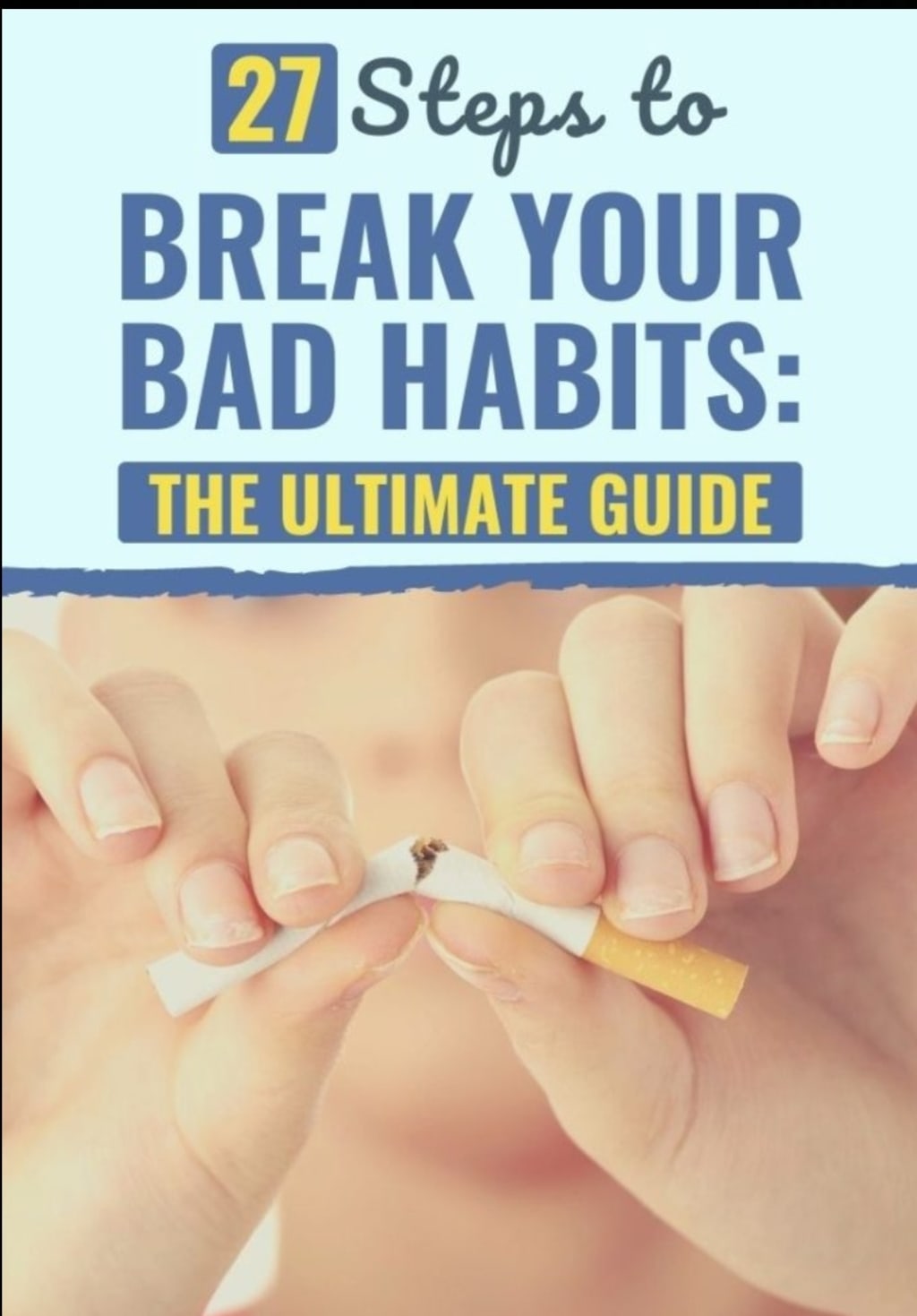
Breaking bad habits and building new ones is a challenge that many people face at some point in their lives. Whether it’s smoking, procrastination, unhealthy eating, or any other negative behavior, these habits can hinder personal growth and prevent you from reaching your full potential. However, the good news is that it is entirely possible to break bad habits and replace them with positive ones. This process requires self-awareness, commitment, and the right strategies. This article will guide you through practical steps to help you break bad habits and build new, healthier ones.
Understanding Habits
Before you can break a bad habit, it’s important to understand how habits form in the first place. Habits are behaviors that are repeated regularly and tend to occur subconsciously. Over time, the brain forms neural pathways that make these behaviors automatic, so you don’t have to think about them consciously. This is why habits can be so difficult to change—once a behavior becomes ingrained, it’s easy to slip back into it without even realizing it.
Habits can be positive or negative. Positive habits, like exercising regularly or eating healthy foods, can improve your life, while negative habits, like smoking or excessive screen time, can have detrimental effects. The key to success lies in replacing negative habits with positive ones and rewiring your brain to adopt healthier behaviors.
Step 1: Identify the Habit and Its Triggers
The first step in breaking a bad habit is identifying it and understanding its triggers. Bad habits are often the result of specific situations or emotional states that prompt you to act in a certain way. For example, you may find yourself reaching for a cigarette when you’re stressed or eating unhealthy foods when you’re bored. These triggers can be external, like a stressful work situation, or internal, such as feeling anxious or overwhelmed.
By identifying the specific triggers for your bad habits, you can begin to develop strategies to deal with them in a healthier way. Pay attention to the situations in which you tend to engage in the habit and take note of how you feel at those times. This awareness is crucial for breaking the cycle of negative behavior.
Step 2: Set Clear and Achievable Goals
Once you have identified your bad habits and their triggers, the next step is to set clear and achievable goals for breaking them. It’s important to be specific about what you want to change and why. Rather than simply saying, “I want to stop smoking,” set a concrete goal like, “I will reduce my cigarette consumption by one cigarette per day for the next week.” This goal is measurable and gives you something concrete to work toward.
Setting small, achievable goals helps build momentum and makes the process of breaking a habit less overwhelming. Start with manageable changes and gradually increase the difficulty as you make progress. This approach will help you feel more in control and motivated to continue working toward your ultimate goal.
Step 3: Replace the Bad Habit with a Positive One
One of the most effective ways to break a bad habit is to replace it with a positive one. Simply trying to eliminate a negative behavior without offering a replacement can leave a void, making it easier to fall back into the old habit. By substituting a positive behavior, you provide yourself with a healthier alternative that satisfies the same need or desire.
For example, if you tend to snack on unhealthy foods when you’re stressed, you could replace this habit with a healthier alternative, such as eating a piece of fruit or going for a walk. Similarly, if you find yourself procrastinating, try replacing that behavior with a more productive activity, such as tackling a small task immediately or setting a timer to work for short bursts of time.
When you replace a bad habit with a positive one, it’s essential to make the new behavior easy and accessible. The more effort required to engage in the positive behavior, the less likely you are to stick with it. Therefore, make sure your new habit is convenient and enjoyable, so you’re more likely to stick with it in the long run.
Step 4: Practice Mindfulness and Self-Awareness
Mindfulness is the practice of being fully present in the moment and aware of your thoughts, feelings, and actions. When it comes to breaking bad habits, mindfulness can help you become more aware of when you are about to engage in a negative behavior. By practicing mindfulness, you can catch yourself in the act and make a conscious decision to choose a different action.
Mindfulness also helps you become more aware of your emotions and stress levels, which are often linked to the triggers for bad habits. By developing mindfulness skills, you can manage your emotions more effectively and prevent negative behaviors from taking over.
Incorporating mindfulness into your daily routine can be as simple as taking a few minutes each day to meditate, practice deep breathing, or reflect on your thoughts. Over time, mindfulness will help you become more aware of your habits and provide you with the mental clarity needed to break free from them.
Step 5: Be Patient and Stay Consistent
Breaking bad habits and building new ones is a process that takes time, and it’s important to be patient with yourself. It’s easy to get discouraged if you slip up or don’t see immediate results, but it’s essential to stay consistent and keep working toward your goals.
Research shows that it takes an average of 21 to 66 days to form a new habit, depending on the complexity of the behavior. During this time, you may face setbacks, but that doesn’t mean you’ve failed. Rather than giving up, acknowledge the setback, learn from it, and continue moving forward. Consistency is key to forming lasting change.
Celebrate your successes, no matter how small they may seem. Recognizing your progress will help you stay motivated and reinforce the new positive behavior. Every time you make the right choice, you are rewiring your brain and reinforcing the new habit.
Step 6: Seek Support and Accountability
Breaking bad habits can be difficult, especially when you try to do it alone. Seeking support from others can increase your chances of success. Whether it’s a friend, family member, or support group, having someone to share your progress with can provide motivation and encouragement.
Accountability is another powerful tool in habit change. When you share your goals with others, you are more likely to stay committed to them. You can check in with your accountability partner regularly to discuss your progress, setbacks, and successes. This support can help you stay on track and provide the encouragement you need to push through difficult moments.
Step 7: Stay Focused on the Long-Term Benefits
Finally, it’s important to keep the long-term benefits of breaking bad habits in mind. Focusing on how your new habits will improve your health, productivity, and overall well-being can help you stay motivated throughout the process. Visualize how your life will improve once you’ve successfully replaced your bad habits with healthier behaviors.
By focusing on the positive outcomes, you’ll be more likely to stay committed and keep moving forward, even when challenges arise. Remember, change is a journey, and each step forward brings you closer to your goals.
Conclusion
Breaking bad habits and building new ones is not easy, but it is entirely possible with the right strategies and mindset. By identifying the triggers for your bad habits, setting achievable goals, replacing negative behaviors with positive ones, and practicing mindfulness, you can transform your habits and create lasting change. Patience, consistency, and support are essential throughout the process. With dedication and persistence, you can break free from old habits and build new ones that support your personal growth and success.
About the Creator
Nora Ariana
Empowering through stories and sound igniting purpose, sparking growth, and awakening the power within.
Keep reading
More stories from Nora Ariana and writers in Education and other communities.
A goal is a dream with a deadline
A goal is a dream with a deadline. This powerful quote reminds us that without action, dreams remain just that wishes floating in our imagination. But when we set a timeline and commit to achieving them, they evolve into goals, bringing clarity, direction, and purpose. Many people go through life holding on to dreams, hoping they will come true someday. But someday is not a day on the calendar. Dreams without structure often fade with time or get buried under the weight of daily responsibilities. Turning a dream into a goal is what separates those who achieve from those who continue to wish.
By Nora ArianaExclusive • 9 months ago
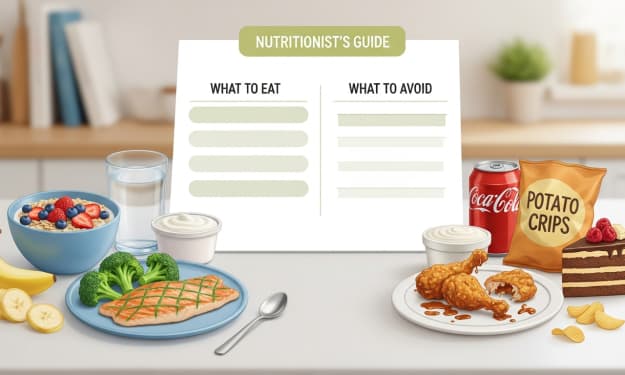
What to Eat (And Avoid) During Colon Cancer Treatment: A Nutritionist-Approved Guide
When undergoing colon cancer treatment, your diet is more important than ever. The right nutrition can support your immune system, reduce side effects, and even enhance the effectiveness of treatments like chemotherapy and radiation. But knowing what to eat and what to avoid can be overwhelming.
By Erika Phillips 7 days ago in Education
Surviving Cancer: Entering the Golden Alchemical Door to Teaching
It starts with love . . . Entering the Golden Door: Who Am I? Going through cancer treatments with chemo, a strange thing happened, for I started to forget things, even who I am because my wife ghosted me and my friends would have nothing to do with me. Without human contact, you forget what it means to be human. I am a professor at a university, but I forgot what I taught. . . .
By WILD WAYNE : The Dragon King2 days ago in Education
Wild Card Weekend Recap: What Happens Now?
I think I figured out why I love Wild Card Weekend so much. It's because it's the first playoff anything of the calendar year. The NFL season starts in the fall, and once upon a time, the champion was crowned either on or slightly before New Year's. The evolution of the NFL schedule has resulted in the playoffs starting just into the New Year, and currently, the final week of the season falls on the first weekend of the New Year, with Wild Card Weekend coming a week after that. So yes, chronologically, the NFL's Wild Card Weekend serves as the first playoff anything of the calendar year.
By Clyde E. Dawkins6 days ago in Unbalanced



Comments (1)
As usual fab information Thank you ♦️♦️♦️♦️