
How Technology is Transforming the Real Estate Industry
Emerging Tech Trends Reshaping Property Buying, Selling, and Management
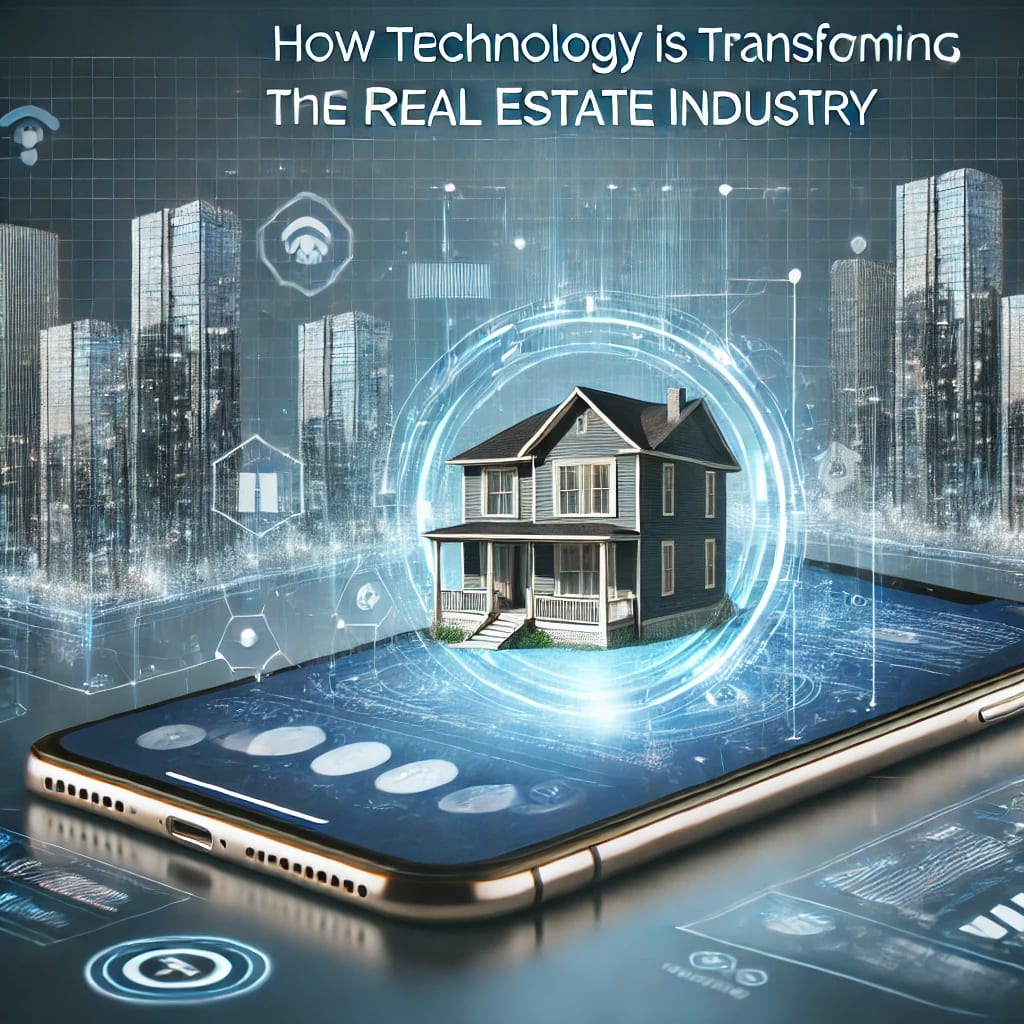
Introduction
Technology is reshaping the real estate industry by improving efficiency, enhancing customer experiences, and optimizing operations. From online property listings to AI-driven analytics, digital tools are changing the way buyers, sellers, and real estate professionals interact.
This blog explores the impact of technology on the real estate sector, key innovations, and future trends.
Digital Transformation in Real Estate
Technology adoption in real estate has led to streamlined processes, reduced costs, and increased accessibility. With advanced software and automation, stakeholders can make informed decisions quickly.
1. Online Property Listings and Virtual Tours
The traditional process of physically visiting multiple properties is now replaced by online platforms and virtual tours. Websites and mobile apps allow buyers to:
- Search for properties based on filters like location, price, and amenities.
- Take 3D virtual tours of homes and commercial spaces.
- View high-quality images and videos of properties.
2. Artificial Intelligence and Big Data
AI and big data play a crucial role in real estate by providing insights and predictive analytics. These technologies help:
- Analyze market trends to determine property values.
- Automate customer interactions through chatbots.
- Offer personalized property recommendations.
3. Blockchain in Real Estate Transactions
Blockchain ensures transparency and security in property transactions. Some key applications include:
- Smart contracts that automate agreements between buyers and sellers.
- Digital property records that reduce paperwork and fraud.
- Decentralized platforms for direct peer-to-peer property sales.
Impact of Real Estate Software Development
Real estate software solutions have transformed property management, transactions, and customer engagement. Businesses use custom real estate software development to improve efficiency in various operations, including:
- Property listing and management.
- CRM solutions for customer interactions.
- Automated valuation models for property pricing.
Emerging Technologies in Real Estate
Several emerging technologies are making real estate more efficient and accessible.
1. Internet of Things (IoT)
IoT enables smart homes and buildings by connecting devices and collecting data. This technology helps:
- Monitor energy consumption and optimize efficiency.
- Improve security with smart locks and surveillance systems.
- Automate home functions like lighting and temperature control.
2. Augmented Reality (AR) and Virtual Reality (VR)
AR and VR technologies enhance the buying experience by:
- Providing immersive virtual property tours.
- Allowing buyers to visualize changes before purchasing a property.
- Helping architects and developers showcase projects before completion.
3. Cloud Computing
Cloud-based platforms enable real estate companies to:
- Store and manage property data securely.
- Facilitate remote collaboration between teams.
- Provide customers with real-time property updates.
Digital Marketing in Real Estate
Marketing strategies have evolved with digital tools that help reach wider audiences.
1. Social Media Marketing
Social media platforms allow real estate agents to:
- Advertise properties through targeted campaigns.
- Engage with potential buyers through interactive posts.
- Share testimonials and success stories to build credibility.
2. Search Engine Optimization (SEO) and Content Marketing
SEO helps real estate businesses rank higher in search results, driving more traffic to their websites. Content marketing strategies include:
- Blog posts with industry insights.
- Video content showcasing properties.
- Email newsletters with market updates.
3. Customer Relationship Management (CRM) Systems
CRM tools improve client interactions by:
- Automating follow-ups and appointment scheduling.
- Organizing client data for personalized engagement.
- Enhancing lead management and conversion rates.
Future Trends in Real Estate Technology
As technology advances, real estate professionals must stay updated on the latest trends.
1. Smart Cities and Sustainable Buildings
Governments and developers focus on smart cities that integrate technology for improved urban living. Features include:
- Energy-efficient buildings with automated systems.
- Intelligent transportation and infrastructure planning.
- Digital solutions for waste and water management.
2. AI-Driven Investment Strategies
AI helps investors make informed decisions by:
- Predicting property appreciation trends.
- Identifying profitable real estate markets.
- Automating financial analysis for investment opportunities.
3. Contactless Transactions and Paperless Documentation
The shift towards digital transactions is reducing the dependency on physical paperwork. Advancements include:
- E-signatures for property agreements.
- Online mortgage approvals.
- Digital identity verification for secure transactions.
Conclusion
Technology is playing a key role in the digital transformation in real estate by enhancing efficiency, security, and customer experience. As innovations continue to shape the industry, adopting modern tools and software solutions will be essential for staying competitive.
Real estate businesses must embrace technology to streamline operations, improve decision-making, and provide better services to clients. Whether it's AI, blockchain, or virtual reality, these advancements are paving the way for a more efficient and accessible real estate market.
About the Creator
Keep reading
More stories from Evelina Wright and writers in Education and other communities.
The Role of an Insurance Software Development Company in InsurTech Innovation
Introduction The insurance industry is going through major digital change. Customers now expect faster policy issuance, transparent pricing, easy claims processing, and digital access across devices. Traditional insurance systems, built on legacy infrastructure, often struggle to meet these expectations. This gap has given rise to InsurTech, where technology improves how insurance products are designed, delivered, and managed.
By Evelina Wright29 days ago in Education
Are Australian Homes Losing Solar Power at Night? The Real Role of Battery Energy Storage Systems
Australia is one of the world’s leaders in rooftop solar adoption, yet many households still face high electricity bills after sunset. Solar panels generate plenty of power during the day, but without storage, much of that energy is sent back to the grid for minimal returns. Later, homes buy electricity back at higher prices.
By bluematrix4 days ago in Education




Comments
There are no comments for this story
Be the first to respond and start the conversation.