
How Technology Can Change Your Life – 5 Surprising Ways
Discover how new innovations are transforming our lives, from health and education to the comfort of our own homes.
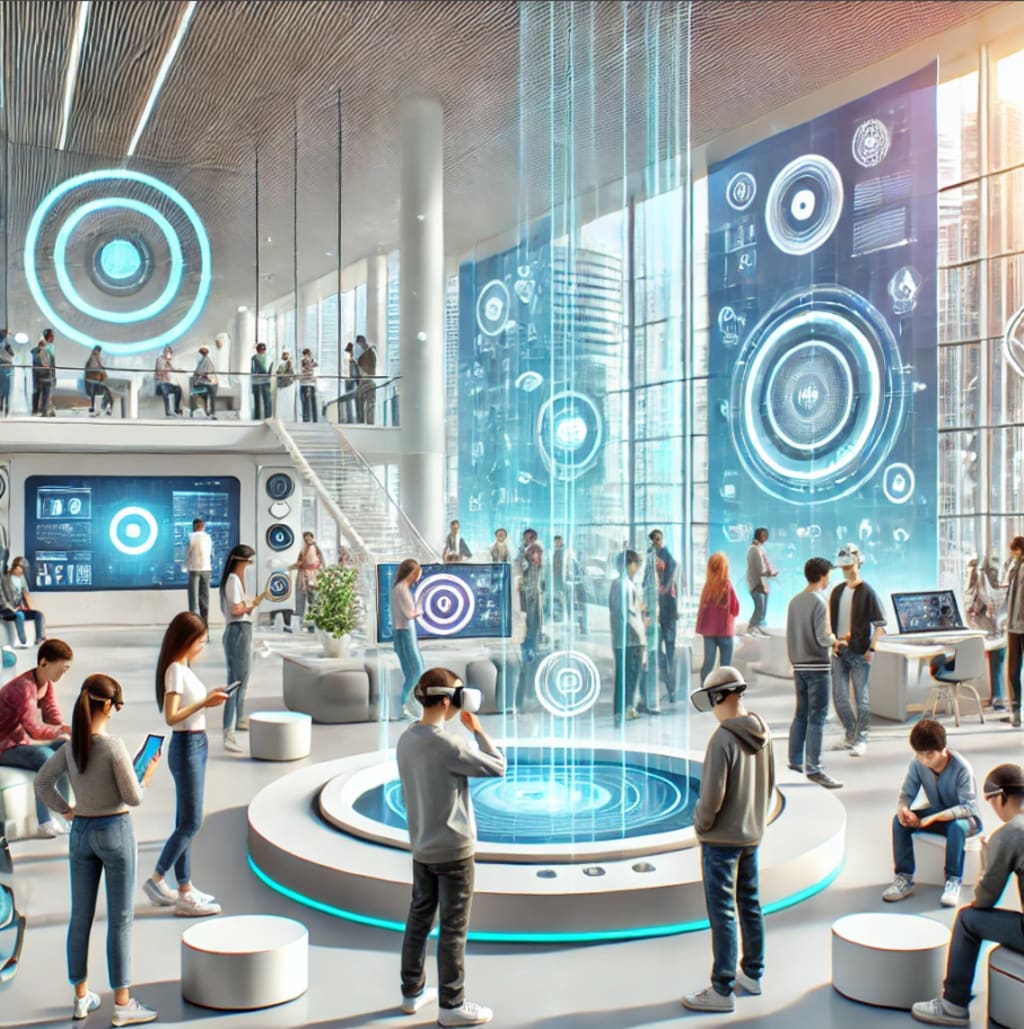
In today’s fast-paced world, technology is evolving at an unprecedented rate, impacting every facet of our daily lives. From smart devices that help us monitor our health to applications designed to simplify our routines, the influence of technology is profound and often surprising. Embracing new innovations can lead to significant improvements in our quality of life. Here are five compelling ways technology can positively impact our everyday experiences and why it’s essential to remain open to these advancements.
1. Virtual Personal Assistants – Our Digital Friends
Personal assistants like Siri, Alexa, and Google Assistant have rapidly become integrated into our daily routines, serving as valuable companions that help us manage our busy lives. With the ability to execute tasks using simple voice commands, these virtual assistants offer a level of convenience that was unimaginable just a decade ago. Whether it's setting reminders for important dates, making calls, or even ordering groceries, these digital friends enable us to streamline our activities and prioritize what truly matters. The ongoing improvements in natural language processing and machine learning are enhancing their capabilities, making them more intuitive and efficient. As they become more adept at understanding our preferences and routines, virtual assistants can significantly reduce the mental load we carry, allowing us to focus on tasks that require our full attention.
2. Telemedicine – The Doctor Is Just a Click Away
The rise of telemedicine is revolutionizing the healthcare landscape, providing individuals with swift access to medical professionals without the need for lengthy commutes or waiting rooms. This innovation has proven especially beneficial for those with mobility challenges or those residing in remote areas, where access to healthcare can be limited. Through video consultations and health apps, patients can receive diagnoses, prescriptions, and follow-up care from the comfort of their homes. Additionally, these platforms often include features that allow users to track their health metrics, set reminders for medications, and schedule regular check-ups. By making healthcare more accessible and convenient, telemedicine empowers individuals to take charge of their health and well-being, resulting in better health management and improved outcomes.
3. Online Learning – Education Without Borders
The digital age has transformed education, making learning more accessible than ever before. Online learning platforms such as Udemy, Coursera, and Khan Academy provide a vast array of courses covering diverse subjects—from languages and technical skills to arts and humanities. This democratization of education means that anyone with an internet connection can enhance their knowledge and skills at their own pace. The flexibility offered by online courses allows learners to balance education with work or personal commitments, fostering continuous personal and professional growth. Additionally, the ability to connect with peers and instructors from around the globe creates a rich, collaborative learning environment. Embracing online education can open doors to new career opportunities and personal development that were previously out of reach for many.
4. Smart Homes – Comfort and Energy Savings
The advent of smart home technology has brought about a significant shift in how we interact with our living spaces. Smart devices, such as thermostats, lighting systems, and appliances, can be controlled remotely, enhancing both comfort and energy efficiency. For instance, homeowners can program their heating and cooling systems to optimize energy consumption, leading to substantial savings on utility bills. Moreover, smart home devices can contribute to improved security by allowing users to monitor surveillance cameras and alarm systems from their smartphones. This level of control not only increases convenience but also promotes a more sustainable lifestyle, as automated systems help reduce waste and environmental impact.
5. Virtual Reality (VR) and Augmented Reality (AR) – An Escape from Everyday Life
Virtual reality (VR) and augmented reality (AR) technologies are pushing the boundaries of how we experience the world. These immersive technologies offer unique opportunities for exploration, education, and entertainment. With VR, users can embark on virtual tours of breathtaking landscapes, engage in interactive gaming experiences, or participate in virtual meetings, all from the comfort of their own homes. AR, on the other hand, enhances our real-world experiences by overlaying digital information onto our physical surroundings, making it useful in fields like education and training. For example, medical students can practice procedures in a safe, controlled environment using VR simulations. As these technologies become more mainstream, they offer exciting new ways to learn, socialize, and escape the pressures of everyday life.
Conclusion
In a rapidly changing world, technology is not merely an accessory to our lives; it is becoming an essential component of how we live, work, and interact. Whether we fully embrace these advancements or approach them with caution, it is clear that technology has the potential to enhance our efficiency, improve our health, and foster deeper connections with others. By staying open to innovation, we can unlock new possibilities that enrich our daily experiences and prepare us for the future. The future is here, and embracing technology is not just about keeping up; it’s about leveraging its power to create a better life.
About the Creator
Keep reading
More stories from Marius Lungu and writers in Education and other communities.
The Importance of Financial Education: Building a Secure Future
In today's fast-paced world, financial literacy is more important than ever. As we navigate through various financial responsibilities—from managing student loans and credit cards to saving for retirement—having a solid foundation in financial education is crucial for making informed decisions. This article explores the significance of financial education, the skills it encompasses, and the resources available to empower individuals on their financial journey.
By Marius Lunguabout a year ago in Education
The Rise of Remote Work: Crafting an Application Letter That Opens Doors
A Changing Workplace Work has undergone a dramatic transformation over the past decade. Offices once defined the rhythm of daily life for millions of people. Commutes, cubicles, and conference rooms shaped the professional routine. Today, however, technology has reshaped the way many careers function. The rise of remote work has made it possible for employees to contribute from home offices, shared spaces, and sometimes even different continents.
By CEO A&S Developers3 days ago in Education
The Complete Path to Growth: A Practical Guide to Hospitality Expansion for Ambitious Leaders
Expansion is one of the most effective strategies for hospitality businesses aiming to reach new markets, increase revenue, and strengthen brand visibility. Whether growing through new locations, enhanced services, or improved digital reach, expansion requires careful planning and consistent leadership. Growth-driven hospitality leaders understand that expansion is not just about scaling up but about doing so in a way that protects quality, operational stability, and customer satisfaction. With the right systems in place, hospitality businesses can expand sustainably and build long-term competitive advantages.
By Asad Malik6 days ago in Education



Comments
There are no comments for this story
Be the first to respond and start the conversation.