
How Safe is Your Vape?
Understanding Risks and Safety Tips

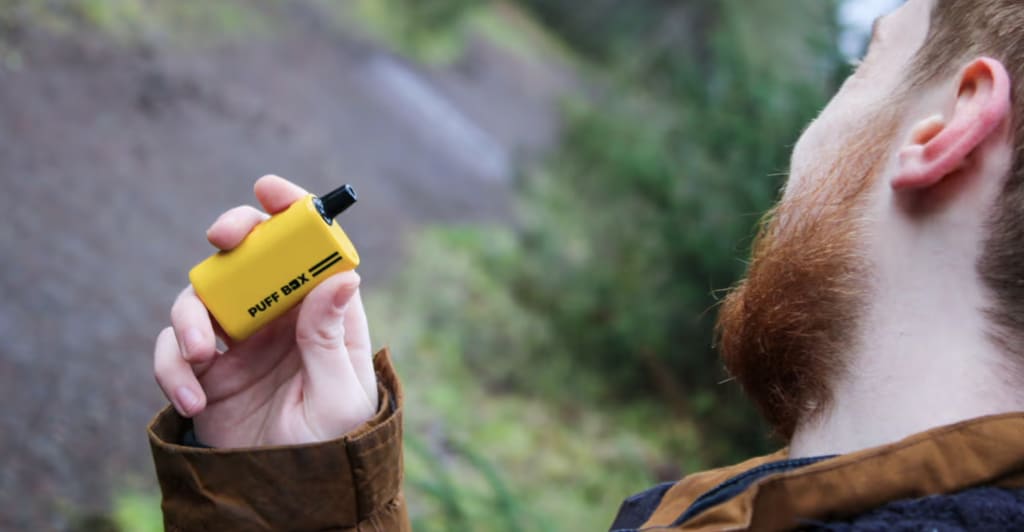
Over the past decade, vaping has gained a reputation as a trendy alternative to traditional smoking. From colorful vape clouds to countless flavors, it's easy to see why this method of nicotine consumption has appealed to millions. However, as vaping continues to rise in popularity, so do concerns about its safety.
If you're a vaper or a health-conscious individual wondering, "How safe is my vape?"—this post is for you. We'll explore vaping risks, safety tips, and how to make well-informed choices while enjoying your Pod Systems, Disposable Vape, or favorite E-liquids.
Understanding the Risks of Vaping
Health Concerns with Vaping
While vaping is often considered less harmful than smoking, it is not without risks. Numerous studies have pointed to potential health issues associated with vaping, such as lung damage and nicotine addiction.
For example, the Centers for Disease Control and Prevention (CDC) identified a surge of severe lung injuries in 2019, predominantly linked to certain vaping products. Known as EVALI (E-cigarette or Vaping product use-Associated Lung Injury), this outbreak highlighted the importance of scrutinizing what you inhale.
Nicotine addiction is another significant concern. A common misconception is that vaping nicotine-free or low-nicotine E-liquids eliminates addiction risks. However, even nicotine-free E-liquids can foster habitual, psychological dependence for some users.
Smoking vs. Vaping
One of vaping's primary selling points is the claim that it's safer than smoking traditional cigarettes. While this is true to an extent—vaping eliminates the harmful effects of tobacco combustion and reduces carbon monoxide exposure—it still carries its own set of hazards. For anyone switching from smoking to vaping, understanding these risks is critical for making an informed decision.
Vape Device Safety
Choosing the Right Device
Whether you're using Pod Systems, Box Mods, or a Disposable Vape, the device itself plays a major role in vaping safety. Cheaper devices produced by unverified manufacturers can be made from substandard materials, increasing the risk of malfunctions like short circuits or overheating.
Ensure you're buying vaping equipment from a trusted online store. Look for brands with positive customer reviews and clear compliance with regulatory standards.
Key Safety Features
Modern devices often come with built-in protections such as overcharging safeguards, short-circuit prevention, and locking mechanisms to prevent accidental activation. Before purchasing, review the specs to confirm these features are included.
E-Liquid Safety
What’s in Your Vape Juice?
E-liquids usually contain four main ingredients:
- Propylene Glycol (PG)
- Vegetable Glycerin (VG)
- Nicotine (optional)
- Flavorings
While PG and VG are generally recognized as safe for consumption, flavorings and nicotine introduce variability. Some flavor compounds, particularly those used to replicate buttery or creamy tastes, have been linked to respiratory issues like "popcorn lung."
Tips for Safe Handling and Storage
Store E-liquids in a cool, dry place: Exposure to heat or sunlight can degrade their quality.
Keep them out of reach of children and pets: Bottles, especially those with bright labels, might attract attention.
Dispose Responsibly: Follow local guidelines for properly discarding bottles to reduce environmental harm.
Battery Safety
Why Battery Safety Matters
Vape devices almost universally rely on batteries, which—if not used properly—can pose serious risks. Poor handling can lead to overheating, explosions, or injuries.
Tips for Safe Battery Use
Invest in quality batteries: Only buy reputable brands from verified stores.
Use the right charger: Never use an incompatible or cheap charger to save a few bucks—it could cost you in safety.
Avoid overcharging: Remove your device from the charger once it's fully charged.
Avoid extreme temperatures: Don’t leave your vape exposed to direct sunlight or freezing conditions.
Inspect your battery: If your battery casing is damaged, replace it immediately.
Second-hand Vaping Risks
While second-hand vapor exposure lacks the extensive research surrounding second-hand smoke, preliminary findings are starting to paint a picture. Non-vapers exposed to vapor may inhale nicotine, aerosolized compounds, or fine particles that can irritate the respiratory system.
Vaping in designated areas and avoiding indoor use where others are present minimizes these risks, demonstrating respect and caution for those around you.
Regulatory Measures and Best Practices
Keeping Vape Products Safe
Governments and industry stakeholders are working to regulate vaping products for consumer safety. For instance, many countries require manufacturers to meet specific testing and labeling standards for E-liquids and devices.
When buying, always opt for products that comply with these regulations and are sold by a trusted online store.
Best Practices for Safe Vaping
Use nicotine-free E-liquids to avoid addiction risks.
Opt for Disposable Vapes or Pod Systems from quality manufacturers for a safer, convenient experience.
Regularly clean and maintain your vape device to prevent residue buildup.
Prioritize Safety in Your Vaping Journey
Vaping can be an enjoyable hobby, but safety should always come first. From choosing the right device to understanding second-hand risks, this guide offers actionable steps to protect yourself and those around you.
Remember, your health is invaluable—be sure to purchase products from trusted online stores and always follow best practices. If you found this article helpful, please share it with your fellow vapers and explore our further resources to deepen your knowledge!
About the Creator
VDC
Vape.com, launched in 2022, offers 10,000+ vaping products with fast shipping, real-time inventory, and excellent customer service.
9 Consistency Guarantees Fiber Channel Brings to Storage
Storage networks face constant pressure to deliver rock-solid performance. Your data needs to flow without interruption. Your applications demand reliability at every moment. This is where Fiber Channel steps in as your trusted ally.
By Olivia Barna day ago in Education
Autonomy Is The Real Privilege
Good morning, freedom-seekers! Today we’re gonna be looking at autonomy. A strange word, I know; one many would probably look at blankly and run away from on sight. We’re gonna figure out what it actually means, consider how it’s achieved, and decipher just how deeply most of us are tangled up in dependence without realising it.
By That ‘Freedom’ Guy4 days ago in Humans



Comments (2)
There are vapes that do not contain nicotine, and some users prefer them, believing that this is a safer option. Here https://hazesmokeshop.ca/product-category/vaporizers/ you can always choose the best option for yourself. However, even nicotine-free liquids can contain chemicals that can be harmful to health. For example, the flavors used in liquids can cause respiratory irritation and allergic reactions. So, despite the absence of nicotine, vaping is not completely safe.
Vaping is interesting. Great work! Good job