
PET Flakes Recycling: An Eco-Friendly Approach to Plastic Waste Disposal
PET Flakes Recycling


Pollution is still one of the biggest environmental issues today, with the world sitting on billions of pounds of plastic. Of the various types of plastics, Polyethylene Terephthalate (PET) is the most common one and is used in beverage containers, food jars, and even in packaging materials. One way to mitigate the damage caused by plastic pollution is to recycle it by ‘flaking’ it, which makes it a more sustainable solution. In this blog, I will elaborate on the techniques and processes involved in recycling PET flakes and how they help the ecosystem and boost the economy.
What Are PET Flakes?
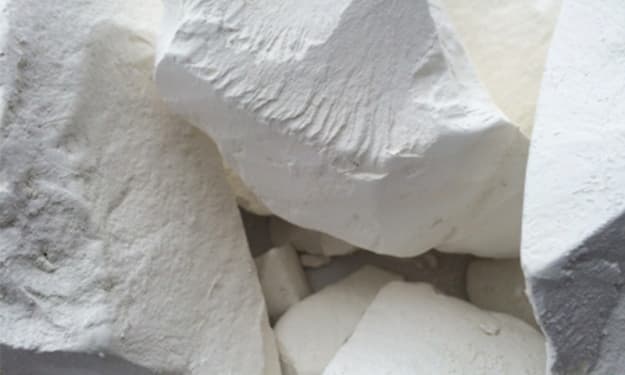
PET flakes are the small, shredded pieces of PET bottles obtained from the recycling process. These flakes serve as raw materials for manufacturing various products, including new plastic bottles, textiles, carpets, and even automotive parts. By transforming large plastic items into PET flakes, they can easily be recycled and help to significantly lessen the adverse effects of plastic waste.
The Process of Recycling PET Bottles into PET Flakes
Recycling PET bottles involves multiple steps to ensure the best quality of the recycled material. Here’s a summary:
Collection and Sorting – PET waste is collected from various places – homes, restaurants, shopping malls, etc. The gathered waste is then sorted to remove other materials from the collected PET plastics.
Cleaning and Washing – The separated bottles undergo stringent washing to take out all dirt, labels, and residue. This ensures the recycled material is of great quality.
Shredding and Grinding – Cleaned PET bottles are shredded into small flakes in an industrial shredder. The obtained flakes are further ground to achieve uniform sizes.
Separation and Drying – Flakes are separated from impurities like glue and other polymers and dried to get rid of moisture.
Quality Inspection – The flakes have gone through the final quality test to ensure industry standards to achieve the end goal. High quality flakes are useful in many industries.
The Efficiency and Benefits of Recycling PET Flakes Said Benefits of PET Flakes Recycling
1. Environmental Benefits
Reduces Plastic Waste PET Flakes Recycling does a great job of reducing waste that would have predominantly littered landfills or oceans.
Low Carbon Footprint Less energy consumption while recycling and PET flakes means less virgin plastic production, and subsequently, lower greenhouse gas emissions.
Conserves Natural Resources There is a conservation of gas and petroleum, valuable resources, that are otherwise required for the production of virgin PET.
2. Economic Benefits
Job Creation - Employment is available for skilled workers in the collection of waste, sorting, and processing centers for recycling PET.
Cost-Effective Production Manufacturers find Retumbled PET flakes to be a sensible option because it is cheaper as compared to virgin plastic.
Supports Circular Economy The previously mentioned factors allow PET flakes to be used repeatedly in new products which sustains the economy.
3. Promotes Sustainable Manufacturing
Almost any industry as textiles, packaging, automotive, etc. uses Recycled PET flakes.
To meet sustainability targets and minimize the brand's most disclosed pet threats, they are now turning to the use of recycled PET for their products.
How Consumers Can Contribute:
As consumers, you can support PET recycling by:
Correctly Disposing of PET Bottles - Make sure that PET bottles are put in the correct recycling bags or bins.
Cleaning Bottles Before Disposal - Wash bottles to help get rid of any remnants of the contents. This helps improve the quality of recycling.
Supporting Recycled Products - Purchase goods manufactured from recycled PET to support responsible production.
Conclusion:
Recycling PET flakes is capable of reducing pollution from plastic waste simply and more sustainably. We can all do our part in making the world a better place by reducing the impact on the environment through supporting various recycling activities and sustainable products. To achieve increased recycling initiatives and responsible handling of plastic waste, governments, businesses, and citizens need to cooperate. PET recycling should be one of the primary focuses to ensure a sustainable Earth.
About the Creator
Rakshitam Ecofibre
We provide Recycled Polyester Staple Fibre is available in various cut lengths and deniers suitable for different industries like spinning, non-woven and technical textiles. Also we buy rPET Flakes and rPET Bottles. Visit: www.rakshitam.com
Keep reading
More stories from Rakshitam Ecofibre and writers in Education and other communities.
The Life Cycle of a Recycled PET Bottle: What Happens Next?
Billions of PET (polyethylene terephthalate) bottles are used every year globally. Although most of them end up in landfills or oceans, more and more of them are getting a second life through recycling. Knowing the life cycle of a recycled PET bottle not only tells us about its environmental advantages but also points to the life-changing process it goes through. Let's have a close look at what follows after a PET bottle is discarded into a recycling bin.
By Rakshitam Ecofibre12 months ago in Education
How Ramen Enthusiasts Around the World Perfect the Art of Slurping
Ramen is more than noodles in broth. For ramen enthusiasts, it is a full experience that uses sound, timing, and focus. Across the world, people who love ramen share slurping habits that may look simple but carry deep meaning. Slurping is not an accident or bad manners. It is a learned skill that improves flavor and enjoyment. This article explores how ramen enthusiasts slurp, why it matters, and how this habit connects cultures everywhere.
By Table to Stix Ramen4 days ago in Education
CREATING MONSTERS...
What kind of woman extorts her fifty-something gay brother, “best friend,” groomsman in her star-studded wedding, and Godfather to her son – with false, extortionate allegations of incestuous childhood sexual abuse (statutory rape)? And what kind of man betrays his wife and children for the notorious gold digger who secretly saved his dick pics as what she herself described as “blackmail materials” – just weeks before The National Enquirer used the photos to blackmail him?
By Michael Sanchezabout 16 hours ago in Education
One Unchecked Box
"Republished" because it was the only way to add the embed for the newly recorded audio version of this story due to the Top Story badge. Plus it serves as a nice, informal announcement of the podcast's revival for another season (go subscribe!):
By Stephen A. Roddewig3 days ago in Fiction


Comments
There are no comments for this story
Be the first to respond and start the conversation.