
How Robotics Are Enhancing Surgical Precision and Patient Outcomes
A closer look at how robotics are transforming operating rooms and elevating surgical excellence.

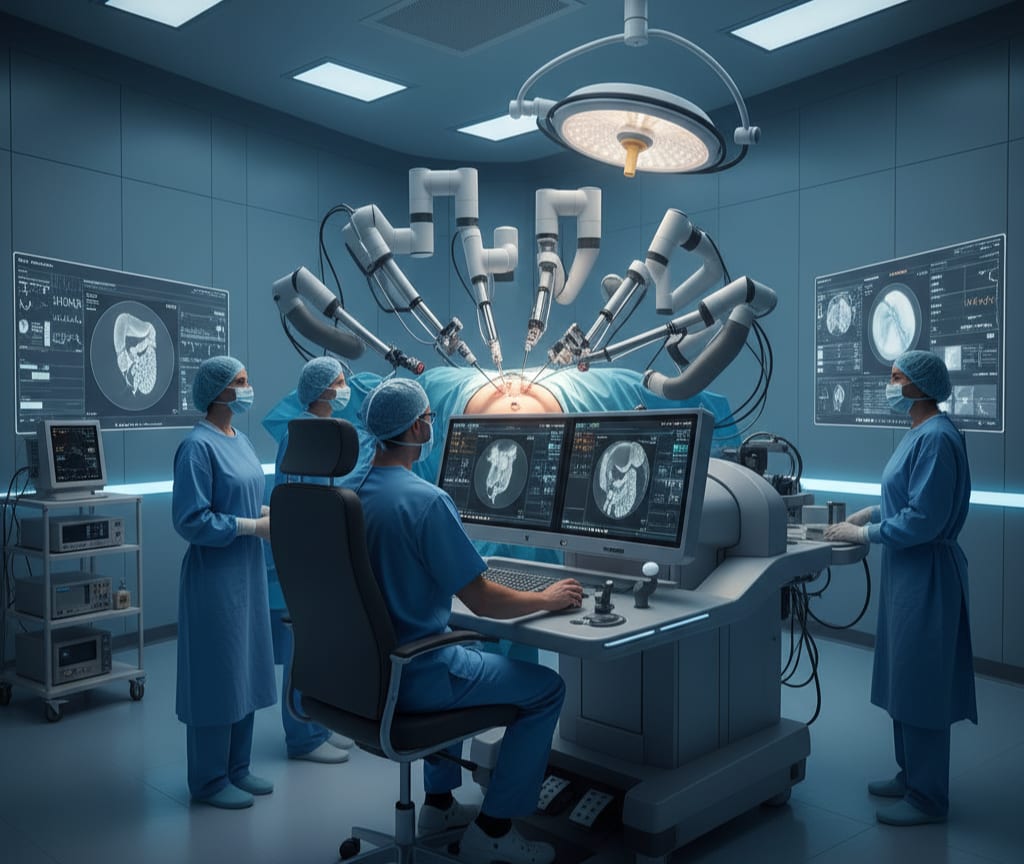
In the modern operating room, the fusion of human expertise and advanced technology is redefining what’s possible. Robotic-assisted surgery, once a futuristic concept, has now become a trusted tool in enhancing surgical precision, reducing complications, and improving patient recovery. At America’s Best in Medicine, we celebrate how innovation continues to raise the standards of care — and robotics is one of the most powerful examples of this progress.
The Rise of Robotic-Assisted Surgery
Robotic surgery first gained attention in the early 2000s with the introduction of systems like the da Vinci Surgical System, which allowed surgeons to perform minimally invasive procedures with unmatched control and accuracy. What began as a specialized technology used in urology and gynecology has now expanded into multiple disciplines — including cardiothoracic, orthopedic, and general surgery.
Unlike traditional open surgeries that rely solely on the surgeon’s hands, robotic-assisted systems translate a surgeon’s movements into precise micro-actions using robotic arms. This level of precision minimizes tissue damage, reduces blood loss, and shortens recovery times — leading to better overall outcomes for patients.
Precision Beyond Human Limitations
One of the most significant benefits of robotics in surgery is enhanced precision. Even the steadiest human hand can experience fatigue or minor tremors during long procedures. Robotic systems, however, eliminate these physical limitations. They provide stability and precision that allow for delicate, complex operations in hard-to-reach areas.
High-definition, 3D visualization enables surgeons to see anatomical structures magnified up to 10 times their actual size. Combined with computer-guided instruments capable of sub-millimeter accuracy, robotics makes it possible to perform procedures that were once considered too risky or invasive.
For example:
- In neurosurgery, robotic systems help surgeons navigate critical brain structures with millimeter accuracy.
- In orthopedic surgery, robotic-assisted tools guide joint replacement procedures with precision alignment, ensuring longer-lasting results.
- In cardiac surgery, robotics allows minimally invasive access to the heart, reducing trauma and improving recovery times.
Benefits for Patients and Providers
The integration of robotics into surgical care benefits both patients and providers. Here’s how:
1. Smaller Incisions and Less Scarring
Robotic systems enable surgeons to operate through tiny incisions rather than large open wounds. This not only reduces scarring but also minimizes infection risk and postoperative pain.
2. Faster Recovery and Shorter Hospital Stays
Patients undergoing robotic-assisted procedures often return home sooner — sometimes within 24 hours. Shorter hospital stays translate to reduced healthcare costs and quicker returns to daily life.
3. Reduced Blood Loss and Complications
The accuracy of robotic instruments reduces unintentional tissue damage and blood loss. Fewer complications mean a lower likelihood of follow-up procedures or readmissions.
4. Enhanced Surgeon Ergonomics
Traditional surgeries can be physically taxing for surgeons who must maintain awkward positions for long periods. Robotic systems provide ergonomic control consoles, reducing strain and fatigue while improving focus and decision-making.
5. Consistent, Repeatable Outcomes
Because robotics minimize human variability, the quality of surgery becomes more standardized. This consistency is key to improving long-term patient outcomes and satisfaction rates.
Robotics and Artificial Intelligence: A Powerful Partnership
The next frontier in surgical robotics is the integration of artificial intelligence (AI). Machine learning algorithms are being developed to assist surgeons with decision-making, pattern recognition, and predictive analytics during procedures.
For instance, AI-driven software can analyze preoperative imaging to plan the optimal surgical pathway. During the operation, real-time feedback can help the surgeon adjust techniques based on patient-specific data. This combination of robotics and AI ensures surgeries are not just precise, but also personalized.
At America’s Best in Medicine, we recognize that these advancements represent a new era in surgical care — one where human expertise is empowered, not replaced, by technology.
Overcoming Challenges and Building Trust
Despite its advantages, robotic surgery is not without challenges. The high cost of equipment and training can limit accessibility for smaller hospitals. Additionally, surgeons must undergo specialized education to master robotic systems effectively. However, as technology advances and adoption grows, costs are expected to decrease, making robotic surgery more widely available.
Transparency with patients is equally vital. Many individuals still have concerns about “machines performing surgery,” which underscores the importance of clear communication. Patients must understand that robotic systems are tools — guided entirely by skilled surgeons — designed to enhance, not replace, the human touch in medicine.
The Future of Surgical Excellence
As robotics continue to evolve, their role in healthcare will only expand. From autonomous suturing to image-guided diagnostics, the possibilities are endless. Future systems may even integrate virtual and augmented reality, allowing surgeons to simulate procedures before entering the operating room.
At America’s Best in Medicine, we believe the future of surgery lies at the intersection of innovation, precision, and compassion. Robotic technology is not just improving surgical techniques — it’s transforming the entire patient experience. By combining advanced tools with the skill and judgment of expert physicians, medicine is moving toward a future where better outcomes are not the exception, but the standard.
Conclusion
Robotic-assisted surgery represents one of the most significant advancements in modern healthcare. It enhances the precision of human hands, improves patient recovery, and sets new benchmarks for safety and effectiveness. As this technology becomes more accessible, it will continue to empower physicians and redefine what excellence in medicine truly means.
At America’s Best in Medicine, we celebrate these innovations and the dedicated professionals who lead the way — proving every day that when expertise meets technology, patients everywhere benefit.
About the Creator
America's Best in Medicine
At America’s Best in Medicine, we celebrate the nation’s leading healthcare professionals. Our platform connects patients with trusted providers & shares expert insights from top doctors and specialists across every field.
Keep reading
More stories from America's Best in Medicine and writers in Education and other communities.
America’s Best in Medicine: How to Advocate for Your Health During Doctor Visits
Navigating the healthcare system can feel overwhelming, even for those who visit doctors regularly. Between medical jargon, time-limited appointments, and the pressure to make quick decisions, many patients leave their visits feeling unheard or uncertain. That’s why learning to advocate for your health is one of the most powerful steps you can take toward better medical outcomes. At America’s Best in Medicine, we believe informed, confident patients experience better care, faster diagnosis, and more effective treatment.
By America's Best in Medicine2 months ago in Education
From Stove to Strategy: Steve Wolfe’s Take on Scaling Your Food Business from Kitchen to Boardroom
Every food business begins with passion—late nights in the kitchen, handwritten recipes, and the joy of seeing someone love what you’ve made. But when demand grows, passion alone isn’t enough. Scaling your food business from kitchen to boardroom requires a shift in thinking, planning, and leadership.
By Steven Joseph Wolfe4 days ago in Education



Comments