
How Refractive Cataract Surgery Restores Clear Vision Without Glasses
Seeing Freedom

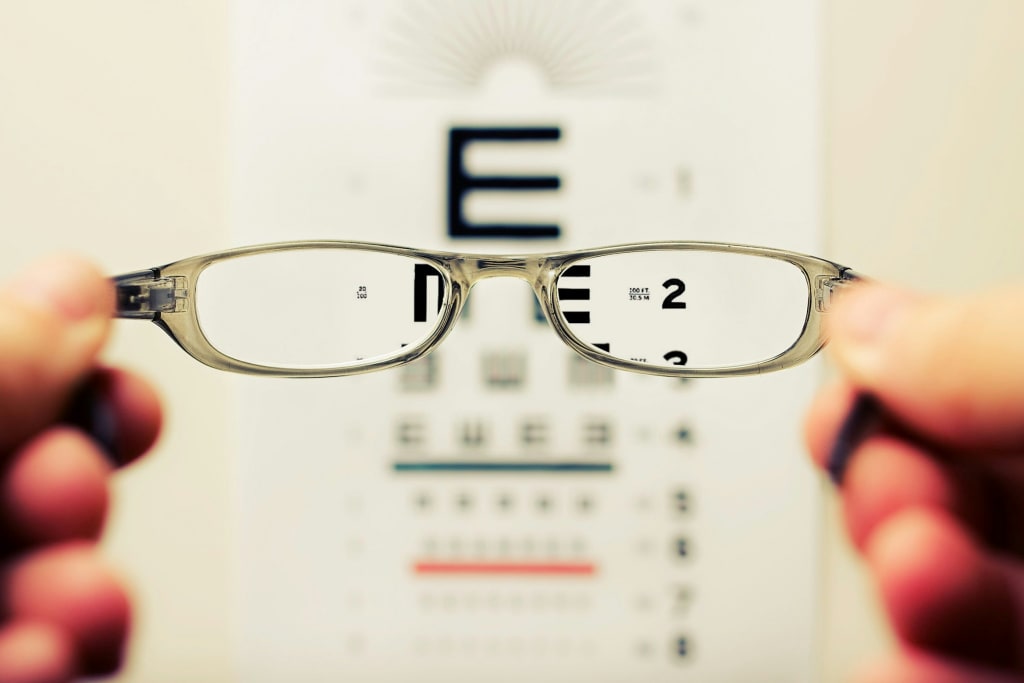
Cataracts are one of the most common causes of vision loss, especially as people age. They occur when the eye’s natural lens becomes cloudy, making it difficult to see clearly. For decades, cataract surgery has been the gold standard for restoring vision. However, traditional surgery often required patients to wear glasses afterward. Today, refractive cataract surgery is changing that expectation. With advanced technology and precision techniques, patients can now achieve clear vision and reduce or even eliminate their dependence on glasses. This groundbreaking approach combines cataract removal with vision correction, offering sharper, more natural sight than ever before.
Understanding the Difference
Traditional cataract surgery focuses on removing the cloudy lens and replacing it with a standard artificial intraocular lens, or IOL. While this restores clarity, it doesn’t always correct refractive errors such as nearsightedness, farsightedness, or astigmatism. That’s where refractive cataract surgery stands apart. It not only treats the cataract but also reshapes the way light focuses on the retina. The goal is to achieve sharper vision across multiple distances—near, intermediate, and far. This approach merges two powerful fields of eye care: cataract treatment and refractive correction. The result is a single procedure that offers freedom from both cloudy lenses and glasses.
Advanced Lens Technology
The key to refractive cataract surgery lies in the type of intraocular lens implanted during the procedure. Surgeons can now select from a variety of advanced lens options designed to address specific visual needs. Multifocal and extended depth-of-focus lenses help patients see clearly at different distances without switching glasses. Toric lenses correct astigmatism, providing crisp vision that remains stable over time. These lenses mimic the eye’s natural focusing ability, creating a smooth transition between near and far vision. This advanced technology allows patients to enjoy activities like reading, driving, and using digital devices without constantly reaching for their glasses.
The Precision of Modern Surgery
Modern refractive cataract surgery uses state-of-the-art imaging and laser technology to enhance accuracy. Surgeons rely on detailed measurements of the eye’s curvature, corneal thickness, and internal structures before the procedure. These data points guide precise incision placement and lens positioning. Femtosecond laser-assisted techniques have revolutionized cataract extraction, enabling smoother, more consistent outcomes. With this precision, the surgery becomes more predictable and personalized. Patients benefit from sharper vision almost immediately after recovery, and results continue to improve as the eye heals.
Personalized Treatment for Every Eye
Every patient’s vision needs are unique, and refractive cataract surgery embraces that individuality. Surgeons customize the procedure to match the patient’s visual goals, lifestyle, and eye health. For instance, a person who spends long hours reading may prefer a lens that enhances near vision, while someone who drives frequently may prioritize distance clarity. Pre-surgery consultations include detailed discussions about these preferences, ensuring that each patient receives the most suitable lens type and surgical approach. This personalized care helps achieve optimal visual satisfaction and minimizes postoperative dependence on corrective eyewear.
The Role of Astigmatism Correction
Astigmatism, a condition where the cornea’s shape causes blurred or distorted vision, can interfere with the success of standard cataract surgery. Refractive cataract surgery directly addresses this challenge. Surgeons can correct astigmatism using either specialized toric lenses or laser-guided corneal incisions. By precisely reshaping how light enters the eye, these techniques create a more uniform focus. As a result, patients experience clearer, more balanced vision without the need for glasses. The inclusion of astigmatism management represents one of the most significant advances in achieving complete visual freedom after cataract surgery.
Smooth Recovery and Quick Results
Recovery from refractive cataract surgery is typically fast and comfortable. Most patients notice improved vision within a few days, with complete clarity developing over the following weeks. Surgeons use minimally invasive techniques that promote quicker healing and reduce discomfort. Because the procedure corrects both cataracts and refractive errors simultaneously, patients enjoy the convenience of a single surgery that delivers comprehensive results. With proper postoperative care, many can return to normal activities almost immediately. The combination of speed, precision, and lasting improvement makes this surgery one of the most rewarding options in modern ophthalmology.
Enhancing Quality of Life
The benefits of refractive cataract surgery extend far beyond vision correction. Improved sight often translates into greater independence and confidence in daily life. Activities like reading fine print, using a smartphone, or driving at night become easier and more enjoyable. Many patients report a renewed sense of freedom after no longer needing to depend on glasses or contact lenses. This improvement in quality of life is one of the most compelling reasons people choose refractive cataract surgery. It’s not just about seeing clearly—it’s about living fully and confidently in every situation.
The Future of Vision Restoration
As technology continues to advance, refractive cataract surgery is expected to become even more refined and accessible. Artificial intelligence and image-guided systems are being integrated to enhance surgical planning and precision. New lens materials and designs are also under development, offering even greater adaptability and optical performance. These innovations will further reduce the need for glasses and expand the range of people who can benefit from the procedure. The future of cataract treatment lies in combining clarity, customization, and convenience into a seamless experience.
Refractive cataract surgery represents a significant leap forward in restoring sight and reducing dependence on glasses. By combining cataract removal with advanced vision correction, it delivers clearer, more natural vision that aligns with each patient’s lifestyle. Through innovations in lens design, laser precision, and personalized care, this procedure empowers individuals to regain the freedom of clear sight without visual aids. As ophthalmic technology continues to evolve, refractive cataract surgery will remain at the forefront of modern eye care—offering not just restored vision, but a renewed sense of independence and quality of life.
About the Creator
Dr. Kamran Massoumi
Dr. Kamran Massoumi, a leading ophthalmologist, founded the Oklahoma Eye Institute in Lawton. Born in Tehran and inspired by his grandfather’s legacy, he brought advanced eye care to Western Oklahoma.
Keep reading
More stories from Dr. Kamran Massoumi and writers in Education and other communities.
A New Era of Clarity: How Refractive Cataract Surgery Redefines Vision Restoration
Cataracts are one of the leading causes of vision loss worldwide, especially among people over 60. When proteins in the eye’s natural lens clump together, the lens becomes cloudy, making it difficult to see clearly. This cloudiness causes glare, faded colors, and blurred images that interfere with simple daily activities like reading a phone screen or driving at night. Over time, this deterioration doesn’t just affect sight—it impacts confidence, independence, and overall quality of life.
By Dr. Kamran Massoumi3 months ago in Education
The Digital Pulse Kenya Mobile Money Revolution and the Roadmap to 2026
Kenya has long been celebrated as the global "cradle" of mobile money. Since the launch of M-Pesa in 2007, the nation has skipped the traditional banking phase and leaped directly into a digital-first economy. However, as we move through 2026, the narrative is no longer just about "financial inclusion." It is about Financial Sophistication. Today, mobile money in Kenya is a mature, trillion-shilling ecosystem that has moved beyond peer-to-peer (P2P) transfers into the realms of decentralized finance (DeFi), AI-driven lending, and a structural shift in how physical cash is handled. In this deep dive, we explore how Kenya is redefining its digital pulse and what the future holds for the world's most successful mobile money market.
By Neeraj kumar3 days ago in Education
A Priceless Lesson in Lif
A Priceless Lesson in Life – Story No. 2641 Do not rush to judge anyone. Shazia Mubashir Once, there was a man who had four sons. He wished for his sons to learn an important lesson: never make hasty judgments about anyone or anything. He wanted them to understand that judging without experience and observation over time can lead to misunderstandings. To teach them this valuable lesson, the man devised a plan. He decided to send each son on a journey to observe a pear tree in a distant area.
By Sudais Zakwan7 days ago in Education


Comments