
How HVAC Companies Benefit from Using Oxyhydrogen Welding Machines
What Is an Oxyhydrogen Welding Machine
The HVAC industry is constantly seeking safer, cleaner, and more efficient technologies to improve field operations. One tool gaining attention is the oxyhydrogen welding machine. Powered by an oxy hydrogen generator, this system produces HHO gas—an eco-friendly fuel made from water and electricity. When ignited through an oxyhydrogen torch, it delivers a high-temperature, precise flame ideal for HVAC welding and brazing applications. In this article, we’ll explore how oxyhydrogen systems are transforming HVAC work and why more companies are making the switch.
What Is an Oxyhydrogen Welding Machine and How Does It Work?
An oxyhydrogen welding machine is a cutting-edge tool that uses a generator to separate hydrogen and oxygen from water via electrolysis. The resulting HHO gas is burned through an oxyhydrogen torch to produce a powerful, clean flame. Unlike acetylene or propane systems, which rely on transporting and storing pressurized gas tanks, oxyhydrogen systems generate gas on-demand, eliminating storage risks and simplifying field use.
Why HVAC Technicians Are Switching to Oxyhydrogen Generator
HVAC service teams are often working in tight, hard-to-reach areas—rooftops, small mechanical rooms, or residential attics—where carrying bulky gas tanks is not practical. Oxyhydrogen systems are compact and portable, powered by electricity and distilled water, making them much easier to handle. Technicians appreciate the simplicity: plug it in, fill it with water, and start welding—no tanks, no refills, and no delays.
Cost Savings that Add Up Over Time
One of the most compelling reasons HVAC companies are making the switch to oxyhydrogen systems is the significant cost savings. Traditional welding methods rely on expensive fuels like acetylene or propane, not to mention the added costs of cylinder rentals, transportation, and storage. In contrast, The hho hydrogen generator only requires distilled water and electricity to produce fuel—dramatically reducing long-term operating costs. Since gas is generated on-site and on-demand, technicians also save time by avoiding trips to refill gas tanks, resulting in less downtime and more efficient job completion.
Safety Benefits of Using an Oxyhydrogen Torch in HVAC Work
Safety is a major concern in HVAC operations, especially in enclosed or high-risk environments. The oxyhydrogen torch produces a non-toxic flame with a localized heat zone, minimizing the risk of accidental burns or surrounding material damage. There’s no need to transport or store pressurized gas cylinders, which eliminates the danger of leaks or explosions. Because the gas is produced only when needed, it offers a level of control that makes safe HVAC welding more achievable than ever. The cooler flame zone is especially beneficial in tight installation areas where traditional torches might pose fire hazards.
Eco-Friendly Welding for Sustainable HVAC Projects
With growing demand for greener technologies in construction and building maintenance, the eco-friendly torch powered by an oxyhydrogen system stands out. Burning HHO gas releases only water vapor, resulting in zero emissions. This makes oxyhydrogen welding an environmentally responsible option for companies working on green building projects or pursuing LEED certification. It aligns with modern sustainability goals while delivering the same, if not better, performance than traditional gas welding.
Mobility and Efficiency for Every HVAC Job
Oxyhydrogen systems are designed for mobility and flexibility. Lightweight and compact, these units are easy to carry to rooftops, crawlspaces, and residential installations—places where hauling bulky gas tanks would be impractical. Since they rely on on-site gas production, HVAC technicians can work more efficiently without worrying about running out of fuel mid-job. The combination of portability and reliability makes the oxyhydrogen setup an ideal tool for field service teams who value speed, convenience, and efficient flame welding.
Applications of Oxyhydrogen Welding in HVAC Systems
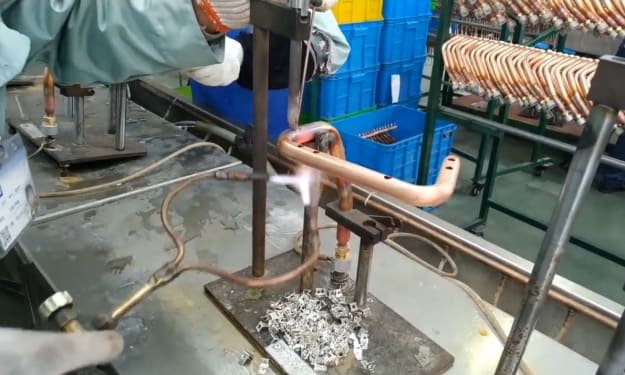
The technology excels in common HVAC tasks such as brazing copper pipes, sealing refrigerant lines, and joining dissimilar metals. The clean flame improves weld quality, reduces oxidation, and offers better control in delicate or complex assemblies. Whether working on new system installations or emergency repairs, technicians find that oxyhydrogen tools increase their precision and productivity.
What HVAC Contractors Are Saying About Oxyhydrogen Technology
Professionals using oxyhydrogen welding machines report smoother operations and improved job site logistics. Technicians highlight benefits such as shorter setup times, lighter equipment, and more consistent welds. In competitive markets where speed and quality matter, the adoption of this technology is helping HVAC companies differentiate themselves and serve clients more efficiently.
Oxyhydrogen Systems and Regulatory Compliance
Compliance with workplace safety regulations is easier with oxyhydrogen systems. Without the need to store flammable gases, companies reduce their risk profile and simplify approval processes for job sites. Many units are OSHA-compliant and meet modern safety standards, offering peace of mind for HVAC business owners and managers.
A Smart Investment for Modern HVAC Companies
For HVAC professionals looking to reduce operating costs, improve safety, and embrace sustainable practices, the oxyhydrogen welding machine offers a practical and forward-thinking solution. With its oxy hydrogen generator and efficient oxyhydrogen torch, this technology is redefining how HVAC welding is done—making it safer, cleaner, and more effective. As the industry moves toward greener, more efficient systems, oxyhydrogen tools are quickly becoming a must-have for the modern HVAC technician.
About the Creator
Jenney
Innovative eco-friendly solutions like oxyhydrogen generators for industrial applications.
How did Hitler rise to power?
How did Adolf Hitler, a tyrant who orchestrated one of the largest genocides in human history, rise to power in a democratic country? The story begins at the end of World War I. With the successful Allied advance in 1918, Germany realized the war was unwinnable and signed an armistice ending the fighting. As its imperial government collapsed, civil unrest and worker strikes spread across the nation. Fearing a Communist revolution, major parties joined to suppress the uprisings, establishing the parliamentary Weimar Republic.
By Munesh Yadavabout 23 hours ago in Education



Comments
There are no comments for this story
Be the first to respond and start the conversation.