
How Has Artificial Intelligence(A.I.) Impacted the Aviation Industry?
Artificial Intelligence(A.I) & its’ Effect on Aviation, Travel/Transpaortation.


Artificial Intelligence (A.I.), and its long reach have long now been apart of the Aviation industry and examples will be shown here to break the ice, and possibly calm the nerves of many who’ve been skeptical since its technological advancement.
For Starters, we can look no further than the elusive but, quite blatantly obvious “Auto-Pilot” which has now been around for at least a century leaving ones without as even flinch at the mention of it, in today’s world. Similar to the “cruise-control,” feature of a an automobile, the “auto-pilot,” system is a software or tool that can mange an aircraft under certain conditions using the aircraft’s hydraulic, mechanical and electrical systems. This system can control the aicraft to follow a flight plan, control speed and height, as well as, location of the front of the aircraft(heading). These many think nothing of it, but an aircraft’s auto-pilot, system is simply an early model example of artificial intelligence (A.I.), at work.
Now, to bring these into modern times we take a look a tthe technological advancements that have propelled us to today’s developments. The aviation industry has been significantly impacted by their technological advancements of artificial intelligence in various ways.
The key ways in exemplifiying thsee notions are here:
1. Improved Safety Quality
Artificial (A.I.), has contributed to enhanced safety measures in the aviation sector. Machine algorithms can analyze large amounts of data, including flight data, weather conditions, ano maintenance records, to predict potential safety risks and assessments. This has helped in proactive maintenance, risk assessments, and the development of more robust safety protocols.
2. Enhanced Air Traffic Safety Management
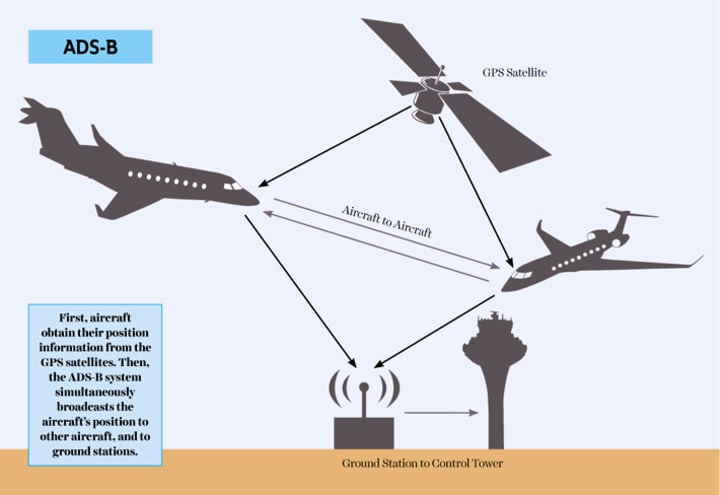
AI have revolutionized air traffic safety management systems. AI-powered algorithms can analyze real-time data on air traffic, weather conditions, airport operations, to optimize airspace utilization, reduce congestion, and enhance the efficacy of flightS and flight schedules. Automated-decision making systems based on AI systemization, also assist air traffic controllers in managing complex airspace environments.
3. Intelligent Automation: AI has played a significant role in automating various tasks and processes in the aviation industry. For example, in aircraft manufacturing, AI-enabled robots can perform repetitive tasks with precision, leading to increased efficiency and reduced errors. AI is also used for automating baggage handling, security checks, and passenger boarding processes at airports, streamlining operations and improving the overall passenger experience.
4. Advanced Predictive Maintenance: AI algorithms can analyze data from aircraft sensors and monitoring systems to predict maintenance requirements and identify potential failures before they occur. This enables airlines and maintenance teams to perform timely maintenance and reduce aircraft downtime. By implementing AI-powered predictive maintenance systems, airlines can optimize their maintenance schedules, reduce costs, and enhance aircraft reliability.

5. Personalized Customer Experience: AI has enabled airlines to provide personalized customer experiences. AI-powered chatbots and virtual assistants can handle customer inquiries and provide real-time assistance, improving response times and customer satisfaction. AI algorithms can analyze customer data and preferences to offer personalized recommendations for travel options, seat preferences, and ancillary services.

6. Efficient Fuel Management: AI algorithms can optimize fuel consumption by analyzing flight routes, weather conditions, aircraft performance data, and air traffic congestion. By identifying the most fuel-efficient flight profiles, AI systems can help airlines reduce fuel costs, lower emissions, and promote environmental sustainability.

7. Training and Simulation: AI-based virtual reality (VR) and augmented reality (AR) technologies have transformed pilot training and aircraft simulations. VR/AR systems provide realistic training scenarios and simulations, allowing pilots and maintenance personnel to practice procedures and emergency situations in a safe and controlled environment.
In summary, the aviation industry has experienced significant advancements and improvements due to the integration of AI technologies. From safety enhancements and optimized operations to personalized customer experiences and advanced training, AI has transformed various aspects of the industry, contributing to its overall growth and efficiency.
About the Creator
Yohannes Amanuel
Aviation professional since 2014' starting as many have at the very bottom of the totem pole, as an "underwing," line serviceman - to now - student traditional and remote pilot(UAVs).
Keep reading
More stories from Yohannes Amanuel and writers in Education and other communities.
Aviation Careers; pt. 1 (Grounds)
Finding ways to make entry into the aviation industry can be quite a daunting task when you don't have a clue about how to get started and where to go to get accurate information. But you're in luck,...the aviation industry and most, if not all of the people that work in & around the industry are more than willing to help steer youin the right direction. No matter what you're aspirations may be, there's definitely someone who's either in your shoes, been your shoes, or are glad to see someone that's experiencing something they know all to well how to deal with. So, if you're a ground staff aspirant, would just love to take advatage of the flight along with other benefits, one would accrue working for an airline, you should know the types of ground staff in the airport, whether you'd feel more comfortable working "under," or "above," wing (as the terminology goes...), whether air traffic control suits your intellectual tastes or whether you're a "get your hands dirty type-of-person," and would love to gain some mechanical and maintenance skills.
By Yohannes Amanuel3 years ago in Education
Beyond the Transcript: What Extracurriculars and Essays Reveal That Grades Cannot
Colleges today look far beyond GPAs and test scores to understand who applicants truly are. While academic metrics indicate preparedness for coursework, they fail to capture personality, resilience, passion, and potential contributions to campus life. This is why essays, extracurricular activities, and other non-academic elements of an application hold significant power. They offer admissions officers a fuller, richer, more human version of the student—one that no number can represent.
By Carmen Reida day ago in Education


Comments
There are no comments for this story
Be the first to respond and start the conversation.