
How Graduate Education is Preparing Healthcare Leaders for a Tech-Driven Future
How Graduate Education is Preparing Healthcare Leaders for a Tech-Driven Future


The healthcare landscape is in a perpetual state of evolution, and at the heart of this transformation lies technology. From artificial intelligence diagnosing diseases to wearable devices monitoring patient health in real-time, the integration of technology is no longer a futuristic concept but a present-day reality. This seismic shift demands a new breed of healthcare leaders – individuals who can not only understand but also strategically implement and ethically govern these innovations. Graduate education, in response, is rapidly adapting, equipping aspiring and current healthcare professionals with the critical skills, knowledge, and foresight to navigate this tech-driven future— part of what is learned in an MBA program.
The following are some examples of how that is being accomplished.
The Imperative for Tech Fluency
Historically, healthcare leadership was primarily focused on clinical excellence, operational efficiency, and financial management. While these pillars remain vital, the digital revolution has introduced a new layer of complexity. Leaders must now comprehend the intricacies of electronic health records, data analytics, cybersecurity or coding languages, telehealth platforms, and the ethical implications of increasingly sophisticated technologies. A lack of tech fluency can result in missed opportunities for improved patient care, increased operational costs, and even security breaches that compromise sensitive data.
Consider the burgeoning field of personalized medicine, driven by genomic sequencing and advanced data analysis. Leaders who can champion and integrate these technologies can unlock unprecedented levels of targeted treatment, leading to better patient outcomes and reduced healthcare expenditures. Conversely, those who shy away from data-driven decision-making risk falling behind, offering less effective or more expensive care.
Evolving Curricula
Recognizing this imperative, graduate programs in healthcare administration, public health, nursing, and even specialized medical fields are undergoing a significant curriculum overhaul. Traditional coursework— just like in a Masters of Teaching or Masters of Education program— is being augmented to include new methodologies.
In healthcare, this includes things like dedicated modules, concentrations, and even full degrees focused on health informatics, data science for healthcare, digital health strategy, and health technology innovation.
These programs are no longer just about theory, they emphasize practical application. Students are learning to:
- Master Health Information Systems: Understanding the architecture, implementation, and optimization of EHRs, patient portals, and interoperable data exchange systems is paramount.
- Leverage Data Analytics: Graduate students are trained to interpret complex datasets to identify trends, predict patient readmissions, optimize resource allocation, and measure the effectiveness of interventions.
- Navigate Cybersecurity and Data Privacy: In an era of constant cyber threats, understanding robust cybersecurity protocols, HIPAA compliance, and ethical data handling is non-negotiable. This includes learning about risk assessment and mitigation strategies.
- ● Develop Strategic Technology Roadmaps: Leaders are taught how to assess organizational needs, evaluate emerging technologies, and develop comprehensive plans for technology adoption that align with strategic goals and foster innovation.
Beyond the Classroom: Experiential Learning and Collaboration
Graduate education also understands that true leadership in a tech-driven world goes beyond textbook knowledge. Experiential learning opportunities are becoming increasingly crucial. This includes:
- Internships and Capstone Projects: Students are often placed in roles within hospitals, health systems, or technology companies where they can directly apply their newfound skills to real-world challenges. Capstone projects frequently involve developing innovative technological solutions or analyzing the impact of digital initiatives.
- Industry Partnerships: Many universities are forging strong ties with healthcare technology companies, allowing students access to cutting-edge tools, guest lectures from industry experts, and insights into market trends.
- Interdisciplinary Collaboration: Healthcare is inherently collaborative, and the integration of technology further amplifies this. Graduate programs are fostering environments where students from different disciplines.
Ethical Leadership
The rapid advancement of technology in healthcare also raises profound ethical questions. Graduate education is increasingly incorporating discussions and frameworks for ethical leadership, focusing on:
- Algorithmic Bias: Understanding how biases can be embedded in AI algorithms and developing strategies to mitigate them to ensure equitable care.
- Patient Autonomy and Digital Consent: Navigating the complexities of obtaining informed consent for data usage and technology-enabled interventions.
- The Human Element: Ensuring that technology enhances, rather than replaces, the empathetic and compassionate aspects of patient care.
The Future is Here: Empowering Tomorrow's Leaders
Graduate education is not merely keeping pace but is actively shaping the future of healthcare leadership by cultivating individuals who are not only adept at managing current technological advancements but are also visionary enough to anticipate and guide future innovations.
By embedding tech fluency, hands-on experience, and ethical considerations into their curricula, these programs are ensuring that the leaders of tomorrow are well-prepared to create a more efficient, equitable, and patient-centered healthcare system.
About the Creator
Keep reading
More stories from andrewdeen14 and writers in Education and other communities.
How to Find Nursing Job Openings in Big Cities
On average, every hospital in the United States is short several nurses. Even this statistic undersells the reality: shortages are often deeper and more disruptive than they appear on paper. A large city hospital might be down one or two RNs on a shift; in a smaller or rural facility, the gap could stretch to 10.
By andrewdeen145 months ago in Education
Natural Ways to Clear Blackheads and Whiteheads
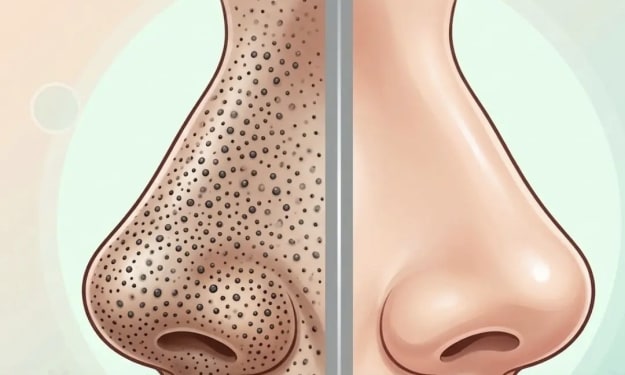
Blackheads and whiteheads are very common skin problems that affect people of all ages. They usually appear on the nose, chin, forehead, and sometimes on the cheeks. These small bumps form when the pores of the skin become clogged with oil, dead skin cells, and dirt. Blackheads appear dark because the clogged material inside the pore reacts with air and becomes oxidized, while whiteheads remain covered by skin, giving them a white or flesh-colored appearance.
By DigitalAddi6 days ago in Education
Peter Ayolov’s Publications
Peter Ayolov is a media theorist and lecturer at Sofia University 'St. Kliment Ohridski', Faculty of Journalism and Mass Communication. His research focuses on the political economy of communication, propaganda models, digital media, narrative structures, and the transformation of language in contemporary technological environments. His work examines how digital communication systems organise dissent, amplify outrage, and reshape the relationship between media, public opinion, and political power.
By Peter Ayolova day ago in Education
My First Time Skiing and I Got Lost, Alone, in the French Alps
Looking back, I can trace some of my life’s biggest adventures to a simple action from my sister. She’d introduced me to Tommy (a very long time ago), a colleague of hers, who had overshared his penchant for Italian-looking women, and I ticked that box.
By Chantal Christie Weissabout 19 hours ago in Humans



Comments
There are no comments for this story
Be the first to respond and start the conversation.