
How Face Match is Changing Security and Privacy
This face match technology identifies the user's key facial features for face matches online. It gives the face match percentage that occurs between two faces for accurate face detection

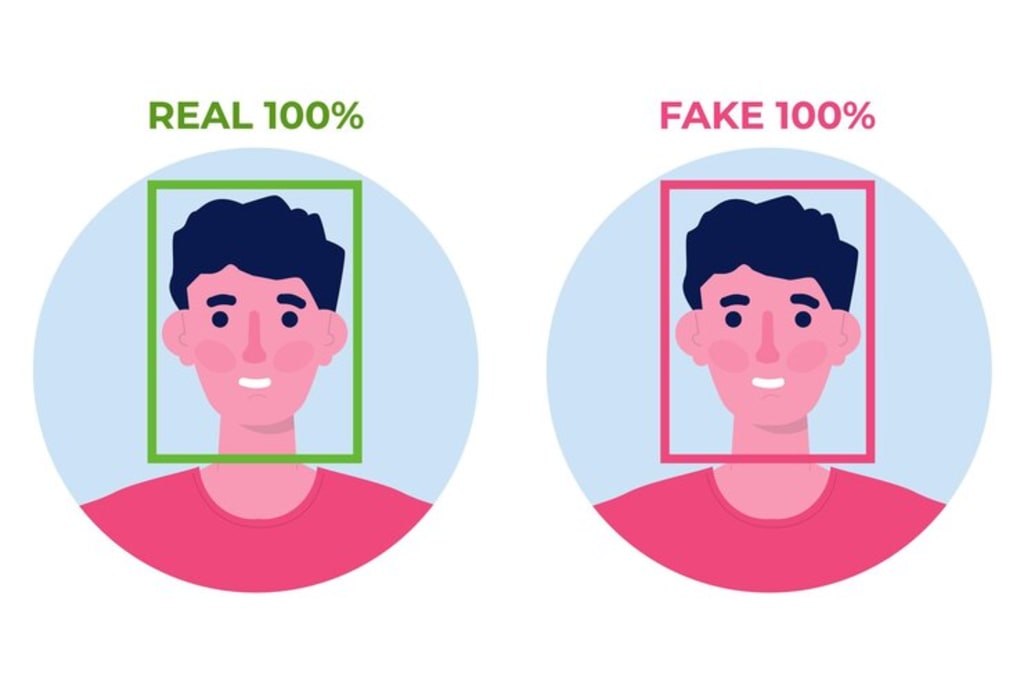
The technology of today plays an essential role in protecting private and sensitive information. The most recent and most awaited technology may be Face Match technology that allows the systems to confirm individuals' identities using software that recognizes faces. Even though Face Match is significantly improving security, it has also raised privacy and security issues. This article focuses on the way Face Match transforms security and privacy, it's benefits and the drawbacks it has, as well as what the future holds for this new technology.
Rise of Face Match Technology
The Face Match technology has grown in popularity in recent years as a result of advancements in the fields of artificial intelligence (AI) and machine learning (ML). It is employed for banking and other applications, smart gadgets for homes, and airport security devices. Locking devices and gaining access to sensitive information through scanning faces makes security far simpler and more efficient than ever.
Companies like Apple, Google, and Microsoft have put face match in their products and created biometric authentication as a well-known alternative to passwords, which are more traditional, along with PIN numbers. When it comes to security and law enforcement, police use Face Match to track individuals and also to stop fraudulent activities and improve security for public spaces. Its explosive growth in popularity has made it an essential part of the digital transformation. It can directly impact the privacy and security setting.
How Face Match is Improving Security
- Advanced Authentication and Access Control-Face Match is a safe and convenient method for users to verify their identity. A lot of financial institutions are now using Face Match to verify transactions to reduce fraudulent transactions and identity theft.
- Faster and More Reliable Security Checks—This technology has changed the way security is conducted at public locations like airports, government buildings, and even businesses. Face recognition technology that is automated speeds the security screening process while also ensuring the accuracy of identifying people.
- Fraud Prevention and Identity Verification—Businesses and online platforms have adopted Face Match for customer verification. Financial institutions and banks utilize Face Match to stop fraud in transactions. Social media platforms use it to confirm user identity and block false accounts. This has increased the overall security of internet interactions.
- Crime Prevention and Law Enforcement—Police agencies employ Face Match to identify suspects and track missing people. CCTV cameras that have facial recognition technology are able to search public areas for faces and match individuals against databases for criminals, which improves public safety while aiding in the prevention of crime.
The Privacy Concerns Surrounding Face Match
Although Face Match offers numerous security advantages, it is also a subject with significant privacy risks. It has raised controversy over the protection of data privacy and surveillance, as well as the ethical usage. Here are the most important privacy concerns about Face Match:
- Data Storage and Security Risks
The storage and acquisition of facial data pose a security risk. When facial biometric databases get breached, the personal data of individuals could be compromised, resulting in identity theft as well as other cybercrimes. Securing your data with strong encryption and secure procedures for the storage of facial data is essential.
- Lack of User Control Over Data
Most of the people do not know the way their personal data about them is collected, stored, and utilized. Sometimes, businesses as well as governments are collecting data with no explicit consent from the users and raising concerns over privacy and misuse.
- Mass Surveillance and Ethical Concerns
Face Match technology is widely utilized for surveillance, leading to privacy concerns. Corporate and government agencies can monitor people without their consent, which raises ethical issues regarding privacy rights as well as personal liberty.
- Algorithm Bias and Accuracy Issues
Certain facial recognition technologies are criticized due to biases based on gender, race, and age. Research has shown that facial recognition systems can exhibit higher errors in certain populations, which could lead to potential discrimination or incorrect recognition. Making sure that the fairness and accuracy in the use of Face Match algorithms remains an important issue.
Balancing Security and Privacy: The Future
In the midst of how Face Match technology continues to improve, keeping a balance between privacy and security is crucial. These are a few steps to help reduce the privacy risk while still ensuring the security advantages:
- Regulations and Legal Frameworks
Regulators and governments should adopt strict regulations for the gathering, storage, and processing of facial information. Guidelines like that of the General Data Protection Regulation (DPDP) Act in India, as well as other data protection laws, could help to ensure the ethical and responsible use of data.
- User Consent and Transparency
Companies should get explicit consent from the users prior to taking facial information.Executing Face Match technology requires a strong commitment to user consent and transparency
- Stronger Encryption and Data Protection Measures
Businesses should consider investing in strong security measures to safeguard personal data from hackers. Decentralized storage and encryption, as well as secure authentication techniques, will increase the security of data.
- Improving Algorithm Fairness
It is important for developers to work towards the elimination of biases in face recognition algorithms by developing AI models with a variety of datasets. This can improve the precision and fairness of Face Match technology.
Conclusion
Face Match technology is undoubtedly transforming security, making authentication quicker, more robust, and safer. However, it does raise legitimate privacy concerns that have to be addressed with regulations, ethics, practices, and technological advances. As society adopts biometric authentication, achieving the right balance between privacy and security is crucial to ensure that Face Match benefits users while protecting their personal information. With the proper measures, Face Match can continue to increase security in digital networks without compromise privacy rights for individuals.
About the Creator
Akhil Sharma
I'm Akhil sharma, a dedicated digital marketer at SurePass, a leading provider of API and background verification solutions. With a passion for leveraging technology to streamline processes and enhance security.
Keep reading
More stories from Akhil Sharma and writers in Education and other communities.
How Businesses Can Benefit from Face Check ID for Customer Authentication.
In a time when digital security has become an absolute priority for businesses, they constantly seek out new methods to authenticate their customers while providing seamless user experience. The most exciting innovation in the authentication of identities could be the Face Check ID - a biometric method of authentication that utilizes facial recognition technology in order to verify the identity of user swiftly and safely.
By Akhil Sharma12 months ago in Education
Guiding While Growing: How Mentorship Shapes Modern Leadership
Leadership today looks very different from what it did a generation ago. Authority alone is no longer enough to inspire trust, loyalty, or growth. The most effective coaches understand that leadership is not about standing above others but about growing alongside them. Mentorship has emerged as one of the most powerful expressions of leadership, especially when coaches are willing to remain learners themselves.
By Thomas Kuriakose, MD6 days ago in Education
Stock Screener vs Manual Stock Analysis: Which Works Better?
Finding the right stocks in a crowded market is a challenge for every investor. With thousands of publicly traded companies and constant price fluctuations, investors rely on different methods to narrow down opportunities. Two of the most common approaches are using a stock screener and performing manual stock analysis. While both aim to identify profitable investments, they differ significantly in speed, depth, and practicality. Understanding how each method works can help investors choose the right approach—or combination—for their trading and investment goals.
By Alven Smithabout 14 hours ago in Education


Comments
There are no comments for this story
Be the first to respond and start the conversation.