
How eBooks Work: A Simple Introduction to Digital Reading
How eBooks Work

With the rise of technology, eBooks—or electronic books—have become a popular way for people to read and share information. But what exactly is an eBook, and why are they so popular? Let’s break it down in simple terms.
What is an eBook?
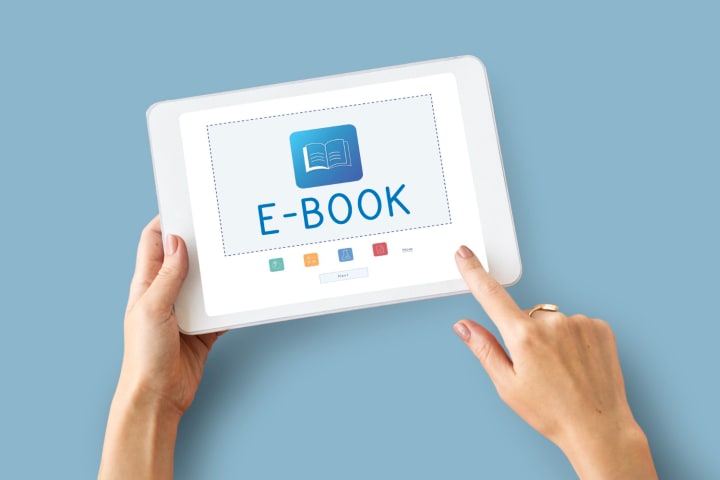
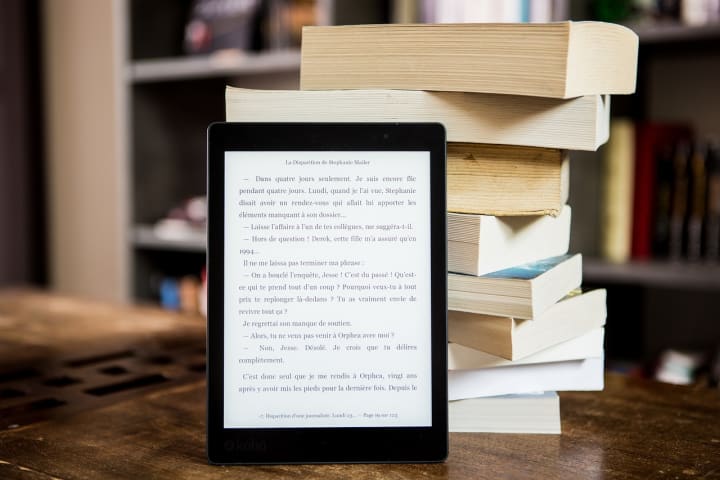
The electronic version of the printed book is an eBook. This is something, as a matter of fact, which would not count as paper pages, but a computer file: It is an electronic version where anyone can read it on a computer, on a tablet, on a smartphone or on an e reader like Kindle or Nook.
The text, images, and the rest are just like in a printed version but are now offered in a format especially convenient to read on devices. You can download them from websites or online stores, or borrow them from libraries, as with any book.
Why Are eBooks Popular?
There are several reasons why eBooks have become so popular in recent years:
1. Portability: With an eBook, you can carry hundreds (or even thousands) of books in one device. Whether you’re on a plane, at the beach, or sitting on your couch, you can access your entire library instantly. No need to carry around heavy books!
2. Instant Access: When you buy an eBook, it’s available to read right away. You don’t have to wait for it to be shipped or find it at a bookstore. You can download it instantly and start reading.
3. Convenience: eBooks come in various devices, in the one you like to read. You don't need to buy an eBook reader as there are special ones. Anyone with a tablet, cell phone, laptop, or has an e-reader. Many eBook platforms also come with apps, so reading is easy from any of the devices you like most.
4. Searchable Content: There are, of course, many eBooks that contain an inbuilt search. You can quickly look up specific words and phrases, even chapters, with just a couple of seconds. This way, it is much easier to find information compared to flipping through a book.
5. Adjustable Text: One of the best features about eBooks is that you can change your preferred size, style, and background color. This feature allows readers to read comfortably whatever their vision needs are.
6. Lower Cost: Since printed books involve printing, shipping and storage cost, eBooks are usually cheaper. They are often an affordable option for readers due to this.
How Do You Read an eBook?
Reading an eBook is simple and can be done on several devices:
• E-Readers: In this category fall specialist apparatus such as the Amazon Kindle or Barnes & Noble's Nook, which are tailored specifically for eBook reading activities. Special screens, such as e-ink, prove far easier on the eyes than those of computer monitors.
• Tablets and Smartphones: You also are able to read eBooks on items like an iPad or Android phone. The eBooks are usually accessed by using an app like Kindle or Apple Books to access them on these devices.
• Computers: eBook can be read on your desktop or laptop using e reader software such as Adobe Digital Editions or Calibre.
No matter what device you choose, once you’ve downloaded the eBook, it’s just a matter of opening it and starting to read!
Different Types of eBooks
There are many types of eBooks available, these eBooks are formatted based on the type of content they contain. Some common types of eBooks include:
1. Fiction eBooks: Just like physical novels, eBooks can be fiction, such as mystery novels, science fiction, romance, fantasy, etc.
2. Non-fiction eBooks: The can be informational books about business, health, self help, history, cooking, or education.
3. Textbooks and Educational eBooks: Just as many students find eBooks for the books they’re using to be more affordable and portable (than physical books).
4. Interactive eBooks: In particular, some eBooks are interactive — for example, any eBook that’s designed with children or education in mind will include videos, quizzes and clickable images as they enhance the reading experience.
5. Audiobooks: Audio books are not technically ‘eBooks’ but they are growing in popularity. Spoken versions of books that you can listen to on your phone or computer is great if you can’t sit down and read as long as you can do other things while listening or if you can’t read on the go.
Where Can You Get eBooks?
You can buy or borrow eBooks from a variety of places, including:
1. Online Stores: There are eBooks sold in different genres over Amazon, Apple Books and Barnes & Noble. You can download books to your device that you can then browse.
2. Public Libraries: Free eBook loans are available in many libraries. Just as you’d with physical copies, you can borrow books, and read them on your e-reader or other devices.
3. Self-Publishing Platforms: Self-publishing platforms, such as Smashwords and Kobo, and even Amazon Kindle Direct Publishing now enable writers to upload their eBooks directly. That has thrown the floodgates open for infinite numbers of eBooks by prominent authors to indie writers.
4. Free eBook Websites: Also, there are websites that offers free eBooks, in particulary free classics or books which are in the public domain like Project Gutenberg.
Benefits of eBooks
Here’s a quick recap of why eBooks are so great:
• Easy to Carry: A whole library in one device.
• Instant Delivery: No waiting for shipping.
• Customizable: You can change the font, size, background to fit your reading style.
• Affordable: Much cheaper than physical books.
• Eco-Friendly: No paper or shipping waste.
• Searchable & Interactive: Find the content, use interactive features and get better experience in search.
Conclusion
eBooks are going to revolutionize the way we read and learn about different things. Even for the sake of learning for pleasure, or for institutional purposes, saving space and money is always a factor for many. eBooks are convenient, affordable, and portable, making it perfect for the modern tech-savvy reader.
If you haven’t dived into eBooks yet, you should. It’s never been easier or more fun to read thanks to the wide array of formats and devices!
About the Creator
Top 4 AI certifications to Land High-Paying Jobs in 2026
With artificial intelligence becoming a core business necessity in 2026, and organizations moving towards Agentic AI systems along with specialized infrastructure, the demand for professionals who can build, deploy, integrate, and even use these intelligent systems is growing.
By Anu shreya5 days ago in Education



Comments
There are no comments for this story
Be the first to respond and start the conversation.