
How does trauma influence mental well-being, and is it possible to heal from it successfully?
trauma impact mental health

Trauma is a profoundly distressing or disturbing experience that overwhelms a person's ability to cope with it. While stress is common to all, trauma is more severe and can have lasting imprints on the mind and body. Whether caused by childhood abuse, a car accident, a natural disaster, domestic violence, or loss of a loved one, trauma can have a considerable impact on mental health and day-to-day functioning. Fortunately, recovery is possible—with proper support, therapeutic interventions, and personal commitment.
Understanding Trauma
Trauma can be separated into three broad categories:
Acute trauma: is the direct consequence of a sole overwhelming experience (e.g., road accident, physical abuse).
Chronic trauma: is the result of repeated and prolonged exposure to highly stressful experiences (e.g., domestic violence, bullying, neglect).
Complex trauma: is exposure to multiple traumatic events, often of an intrusive, interpersonal nature, typically in childhood (e.g., prolonged abuse, abandonment).
Any type of trauma can affect one's psychological, emotional, and at times physical well-being. One's traumatic event may not be the same for another person. It's not the experience that determines what is traumatic, it's the individual's subjective emotional response to the experience.
The Psychological Effects of Trauma
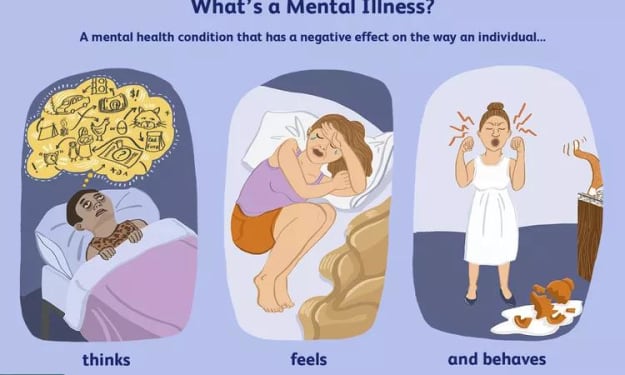
Trauma affects one's thoughts, feelings, behaviors, relationships, and sense of security. Some of the common consequences to one's mental health are:
1. Post-Traumatic Stress Disorder (PTSD)
PTSD is probably the most recognized trauma-related condition. Its symptoms are intrusive memories, nightmares, flashbacks, enhanced reactivity, numbing of feelings, and staying away from reminders of the trauma. These symptoms must last more than a month in order to be PTSD.
2. Anxiety Disorders
Trauma places individuals in the "on the lookout" or constant state of fear, leading to generalized anxiety, panic attacks, or social anxiety.
3. Depression
Helplessness, hopelessness, low self-worth, and isolation are common among trauma survivors. Depression may be a subsequent response to trauma, especially when one internalizes the trauma or attributes blame to themselves.
4. Dissociation and Memory Loss
Individuals who "check out" mentally during times of trauma also dissociate in other areas of their lives. They may feel outside of reality, outside of their bodies, or outside of their feelings.
5. Substance Abuse
Many trauma survivors end up using alcohol or drugs to numb feelings or blackout memories, which exposes them to addiction.
6. Struggling with Relationships
Trauma can impact trust, intimacy, emotional regulation, and communication, leading to struggles in establishing or maintaining healthy relationships.
The Physical Effects of Trauma
The body does remember trauma, whether the mind forgets or not. The nervous system, and most notably the autonomic nervous system (ANS), is dysregulated. Survivors can live in a state of hyperarousal (fight/flight) or hypoarousal (freeze/shutdown).
Symptoms may include:
Chronic pain
Sleep disturbance
Headaches
Gastrointestinal upset
Fatigue
Immune suppression
The Adverse Childhood Experiences (ACE) Study has shown that those who had major trauma as a child are more likely to create many of the chronic physical and mental diseases in adulthood.
Why Recovery from Trauma is Challenging
Recovery from trauma is not a case of "getting over it." Trauma impacts the structure and function of the brain, namely the amygdala, hippocampus, and prefrontal cortex—areas involved in emotion regulation, memory, and decision-making.
Trauma changes the way individuals perceive the world: it may become dangerous, unpredictable, and unsafe. Even when the danger is gone, the brain continues to react as if threatened. Therefore, trauma survivors typically experience emotional flashbacks, startle reactions, and struggle with relaxing.
However, healing is not only possible—it's highly possible with the right tools, support, and time.
Healthy Ways to Heal from Trauma
1. Psychotherapy
Therapy forms the cornerstone of recovery from trauma. The following evidence-based therapies have been found to be very effective:
Trauma-Focused Cognitive Behavioral Therapy (TF-CBT): Helps individuals become aware and change negative thought patterns and process traumatic memories safely.
Eye Movement Desensitization and Reprocessing (EMDR): A guided therapy that helps individuals process and reduce the emotional charge of trauma with bilateral stimulation, such as side-to-side eye movement.
Somatic Experiencing: Focuses on the responses of the physical body to trauma and is helpful in releasing physical tension accumulated in the body.
Internal Family Systems (IFS): Allows survivors to learn about the internal "parts" of them (e.g., protector, wounded child) and heal from trauma by creating inner harmony.
Psychodynamic Therapy: Focuses on unconscious patterns and experiences from the past that affect the current behavior, and survivors gain an understanding of their feelings. 2. Medication
In some cases, medication can be prescribed to manage symptoms of depression, anxiety, or PTSD. These are:
SSRIs (Selective Serotonin Reuptake Inhibitors), such as Paroxetine or Sertraline
SNRIs (Serotonin-Norepinephrine Reuptake Inhibitors)
Anti-anxiety drugs (in moderation)
Sleeping pills, if insomnia is severe
Medication always has to be taken under a psychiatrist and preferably as part of an integrated treatment plan that incorporates therapy.
3. Mind-Body Practices
Because trauma is somatically stored, healing must also be somatic. Things like:
Yoga and breathing: Calm the nervous system and access the body in a respectful way.
Mindfulness meditation: Exercising the focus and reducing reaction to thoughts and feelings around trauma.
Progressive muscle relaxation: Melting tension and increasing body awareness.
Tai Chi and Qi Gong: Gentle movements that increase energy flow and emotional equilibrium.
4. Support Systems
Healing is not necessarily a solitary process. Supportive relationships can provide the safety and connection necessary to heal from trauma. This might include:
Support groups for survivors of trauma
Trusted family and friends
Peer counselors or mentors
Online forums
Being heard and believed by others who "get it" is incredibly therapeutic.
5. Journaling and Creative Expression
Writing, drawing, music, dance, and other creative pursuits allow survivors to verbalize and make sense of what they've experienced. Creative expression bypasses the critical mind and permits expression of feelings that may not be easy to verbalize.
6. Setting Boundaries and Being Gentle with Yourself
Healing is about learning to say no, being respectful of your timeline, and being gentle with yourself. Trauma healing is not a direct line. There will be good days and bad days.
Self-care strategies may include:
Good rest
Nourishing meals
Avoiding overstimulation
Limiting exposure to triggering media
Engaging in activities that increase happiness or comfort
What Recovery Is Like
Recovery doesn't always mean forgetting or the elimination of all symptoms. Instead, it means taking back one's life, making sense, becoming resilient, and getting re-engaged in life. Some people become kinder, smarter, and motivated after working through trauma—a phenomenon known as post-traumatic growth.
Recovery is very individual. There isn't a timeline, and there isn't a right or wrong way to recover.
When to Seek Assistance
If you or your loved one experience any of the following symptoms immediately following the traumatic event, you require professional assistance:
Nightmares or flashbacks that persist
Functional day to day is challenging
Feeling unreal or numb, or being extremely reactive
You are preoccupied with self harm or suicide
Substance misuse
Dissociation involving memory loss
Relationship disturbances from responses to trauma
There is no shame in asking for help. In fact, it's a reflection of strength and commitment to yourself.
Final Thoughts
Trauma is a powerful force, but it need not control the trajectory of one's life. With insight, care, and informed treatment, trauma can be a badge of honor, not a lifetime of suffering. Healing is not about erasing the past; it's about reclaiming peace, presence, and personal power.
If you and the ones you love are suffering from trauma's effects, don't delay. Life-changing professional intervention is available.
For compassionate trauma-informed treatment and expert support, visit:
https://www.delhimindclinic.com/
https://www.craftcmsdeveloper.in/
Feel free to contact me should you want to redevelop your Craft site or simply talk about your Craft project. I provide a free consultation!
About the Creator
Keep reading
More stories from Naveen Garg and writers in Education and other communities.
What is the role of the family in assisting a loved one with mental illness?
When someone is ill with a mental illness, they don't get well in isolation—they recover in a social context, and most directly, they are influenced by family. As crucial as medical treatment and professional therapy are, an educated and compassionate family can provide an incredible influence. Families can act as advocates, caregivers, emotional anchors, and bridges to stability. The role is not, however, without emotional, physical, and mental demands that must be understood, tolerated, and requiring resilience.
By Naveen Garg6 months ago in Education
Decoding the Rise and Fall of Global Commodity Markets
Commodity markets have always moved in waves, rising and falling in response to forces that stretch far beyond daily trading activity. These movements can appear chaotic on the surface, yet beneath the volatility lies a structure shaped by economics, human behavior, and long-term investment patterns. From energy and metals to agricultural products, commodities follow cycles that repeat over time, although never in the same way. Understanding these cycles offers clarity in markets often seen as unpredictable.
By Anthony Blumberg6 days ago in Education
Top 10 Essential Skills for Success in 2026
By 2026, the job market is no longer driven only by degrees or titles. Technology, especially Artificial Intelligence (AI), automation, and remote work, has changed how companies operate and how people work. Many routine tasks are now handled by machines, while humans are expected to do work that requires thinking, judgment, creativity, and emotional understanding. This shift means that skills — not just education — determine success. The following 10 skills are considered essential for 2026 because they combine technology awareness with human intelligence. Let’s understand them one by one, step by step.
By Talha khan5 days ago in Education



Comments
There are no comments for this story
Be the first to respond and start the conversation.