
How does trauma affect mental health, and how is successful healing accomplished from it?
does trauma affect mental health
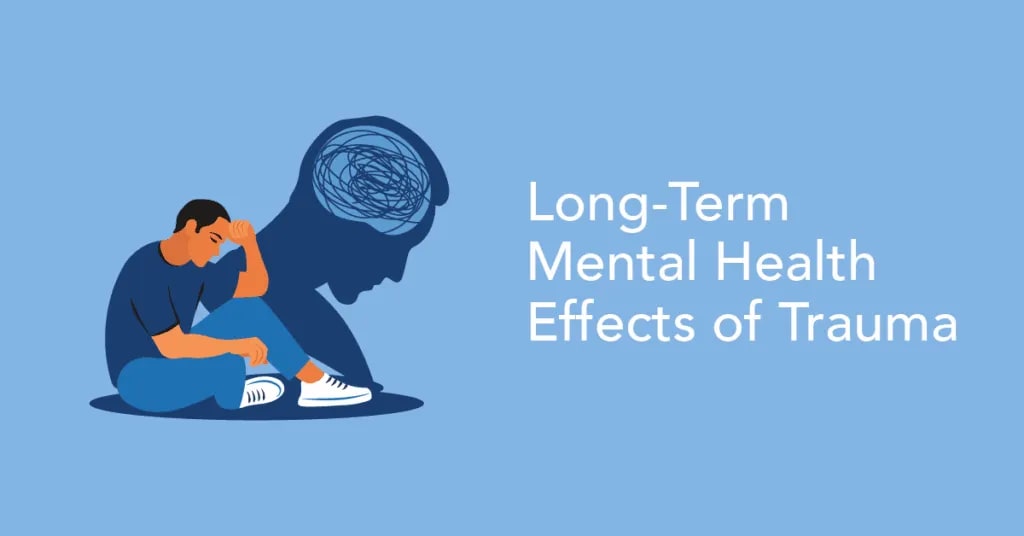
How does trauma affect mental health, and how is successful healing accomplished from it?
One of the most deep and complex influences on mental health is trauma. Whether a single traumatic incident or an extended series of experiencing abuse, neglect, or threat, trauma inscribes itself deeply in the mind and body. It has the power to alter how a person learns to navigate the world, engage with others, and view themselves. Understanding trauma's effects—and how to heal from it—is essential for anyone who has endured suffering or is supporting a loved one through the recovery process.
This discussion covers the types and consequences of trauma, the way that it manifests psychologically and physically, and effective, evidence-based ways of healing. While the process of recovery may be long, it is also deeply healing, full of hope and empowerment for those who seek it out.
What Is Trauma?
Trauma is an emotional response to a threat or a disturbing event that makes an individual unable to manage. It can be caused by a wide variety of experiences, some of which include:
Physical or sexual abuse
Domestic violence
Accidents or natural disasters
Childhood abandonment
Loss of a loved one to an abrupt cause
Combat or war experience
Medical trauma
Systemic racism or discrimination
Emotional or verbal abuse
Significantly, trauma is relative. What may be acceptable to one person may be utterly distressing to another. Trauma is not the incident itself—it's how the nervous system absorbs and responds to it.
Types of Trauma
Acute Trauma – The aftermath of a single overwhelming event (e.g., motor vehicle collision, assault).
Chronic Trauma – Continuous and repeated exposure to distress (e.g., child abuse, intimate partner violence).
Complex Trauma – Results from recurrent exposure to multiple traumatic events, typically of interpersonal in nature, over a long period, usually in childhood.
Secondary or Vicarious Trauma – Experienced by observers of trauma or those closely engaged with victims of trauma (e.g., therapists, first responders).
It is imperative to understand these types since each may require a unique therapy process.
How Trauma Affects Mental Health
Trauma has the potential to change all facets of a person's emotional, cognitive, and physiological life. The effect can be immediate or delayed and can persist for numerous years if the trauma is not acknowledged or treated.
1. Post-Traumatic Stress Disorder (PTSD)
PTSD is a common trauma disorder. The symptoms include:
Flashbacks or intrusive memories
Nightmares
Hypervigilance with exaggerated startle response
Emotional numbing or detachment
Avoidance of triggers
Irritability or hostility
Not everyone exposed to trauma will develop PTSD, but the majority will still experience other trauma-related problems.
2. Anxiety and Depression
Survivors of trauma often live in ongoing anxiety, panic, or fear of impending doom. Depression, which is defined as hopelessness, guilt, and loss of interest, is also common.
3. Dissociation
Most trauma survivors dissociate, or disconnect from reality in an attempt to escape feeling overwhelmed with stress. It could present as a state of being "numb," memory loss, or feeling like being in life but watching it from outside one's body.
4. Relationship and Trust Issues
Trauma and interpersonal trauma damage trust. Trauma survivors may be confronted with intimacy, fear abandonment, or seek out unhealthy relationships that mirror prior hurt.
5. Shame and Self-Blame
Internal shame is one of the most destructive consequences of trauma. Survivors will victim-blame themselves for what happened to them, believing that they are damaged, unworthy, or broken.
6. Physical Health Problems
Trauma is stored in the body. Ongoing exposure to unresolved trauma results in chronic stress, which increases inflammation, weakens the immune system, and is linked to illness such as heart disease, autoimmune diseases, and chronic pain.
Healing from Trauma: A Pathway to Wholeness
Healing from trauma is a possible reality. It's not erasing what happened, but ushering it in so that it no longer dictates one's life or sense of self. Recovery involves being patient, compassionate, and often professional assistance.
Some of the most beneficial, evidence-based means of healing are:
1. Trauma-Informed Therapy
Having a therapist specifically trained in treating trauma is often required. Some of the most effective modalities are:
a. Eye Movement Desensitization and Reprocessing (EMDR)
EMDR helps individuals reprocess traumatic memories by engaging both sides of the brain, commonly through guided eye movement. It's widely accepted and indicated for PTSD and symptoms of trauma.
b. Cognitive Behavioral Therapy (CBT)
CBT helps individuals identify and change unproductive patterns of thinking. Trauma-focused CBT adapts these procedures to the distinct requirements of trauma survivors.
c. Somatic Experiencing
It emphasizes the body's contribution to healing from trauma. It enables individuals to release safely tension associated with trauma that is trapped in the nervous system.
d. Internal Family Systems (IFS)
IFS frames the mind as being made up of "parts" of which some hold pain or survival mechanisms. Healing is a process of unburdening them and re-establishing balance within.
e. Narrative Therapy
Empowers one to re-tell their trauma, placing themselves as survivors and not victims, with power and authority.
2. Peer Support Groups and Communities
Sharing with others who have experienced similar events can be very confirming. Group therapy and peer support break isolation and promote collective healing.
3. Mindfulness and Meditation
Mindfulness helps trauma survivors stay present and observe thoughts and feelings without judgment. It habituates the mind to respond rather than react, which is especially helpful in the management of triggers.
4. Expressive Therapies
Art, music, dance, and writing help process trauma in non-verbal terms. The therapies afford an expression of pain that is not verbal, enabling emotional release and sensitization.
5. Physical Healing Practices
Yoga, tai chi, and breathing practices help heal trauma by calming the nervous system and restoring the body's felt sense of safety. They restore survivors to a nurturing, empowering connection with their bodies.
6. Creating Safe Relationships
Healing often occurs in the safety of good relationships. With a therapist, a partner, a friend, or a spiritual mentor, trust and emotional safety allow for healing.
7. Creating Routine and Self-Care
Trauma has a way of throwing one's sense of order in disarray. Building daily routines, sleeping enough, eating healthy food, and taking care of oneself bring stability and predictability back.
The Role of Compassion in Trauma Recovery
Self-compassion is perhaps the most powerful healing tool. Victims of trauma generally have massive doses of self-blame. Learning to treat oneself with kindness, to accept feelings without shame, and to acknowledge the courage that goes into healing can radically alter the trajectory of recovery.
When to Seek Professional Help
When you or the person you love is experiencing flashbacks, panic attacks, suicidal thoughts, dissociation, or extreme emotional pain, professional help is necessary. You don't have to do it alone.
It is not shameful to ask for help. In fact, to seek help is one of the bravest things a survivor of trauma can do.
Final Thoughts: Healing Is Possible
Trauma can change the course of your life, but it need not dictate it. With compassionate care, proper treatment, and time, you can reclaim your sense of safety, identity, and hope. Trauma recovery is not a straight line, but a journey—yet every step in the right direction is a victory over your strength.
For compassionate, professional mental health services, please visit:
https://www.delhimindclinic.com/
https://www.craftcmsdeveloper.in/
Feel free to reach out to me if you would like to make changes to your Craft site or just have questions about coding your Craft project. I provide a free consultation!
About the Creator
Keep reading
More stories from Naveen Garg and writers in Education and other communities.
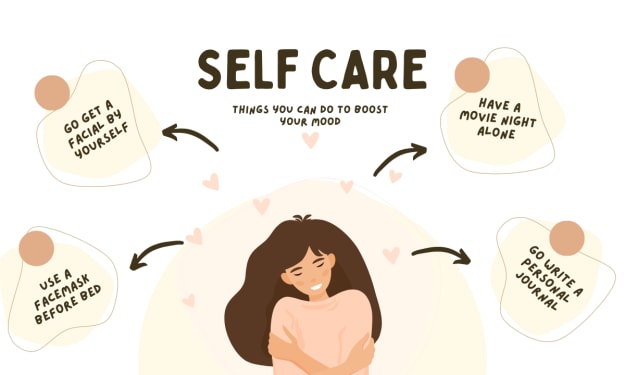
What role does self-care play in mental health, and how can individuals build sustainable self-care routines?
In a fast-paced, high-pressure contemporary world, self-care is not a nicety, but a necessity. While it's too commonly confused as excess or superficiality of wellness culture, self-care is integral to the maintenance and preservation of mental health. It's the active measures we take in order to maintain our mental, emotional, and physical well-being.
By Naveen Garg6 months ago in Education
Could future humans build artificial wormholes?
What Is a Wormhole? A wormhole is a hypothetical structure in spacetime that acts like a tunnel connecting two distant points. Instead of traveling through ordinary space, a traveler would pass through a shortcut created by spacetime geometry itself.
By shahkar jalal7 days ago in Education
What is Affiliate Marketing: A Beginner's Step-by-Step Guide
Affiliate marketing is a performance-based online business model that generates over $12 billion annually in the U.S. alone and continues to grow as e-commerce expands. At its core, affiliate marketing allows individuals to earn commissions by promoting products or services created by other companies. Affiliates share unique tracking links through websites, blogs, social media, email lists, or videos, and earn a percentage of each sale or action completed through those links. Because affiliates don’t handle product creation, inventory, payment processing, or customer support, it’s one of the most accessible ways to monetize an online presence.
By Mohammad Sufyaan5 days ago in Education


Comments
There are no comments for this story
Be the first to respond and start the conversation.