
How Does Stress Affect Mental Health?
Stress Affect Mental Health
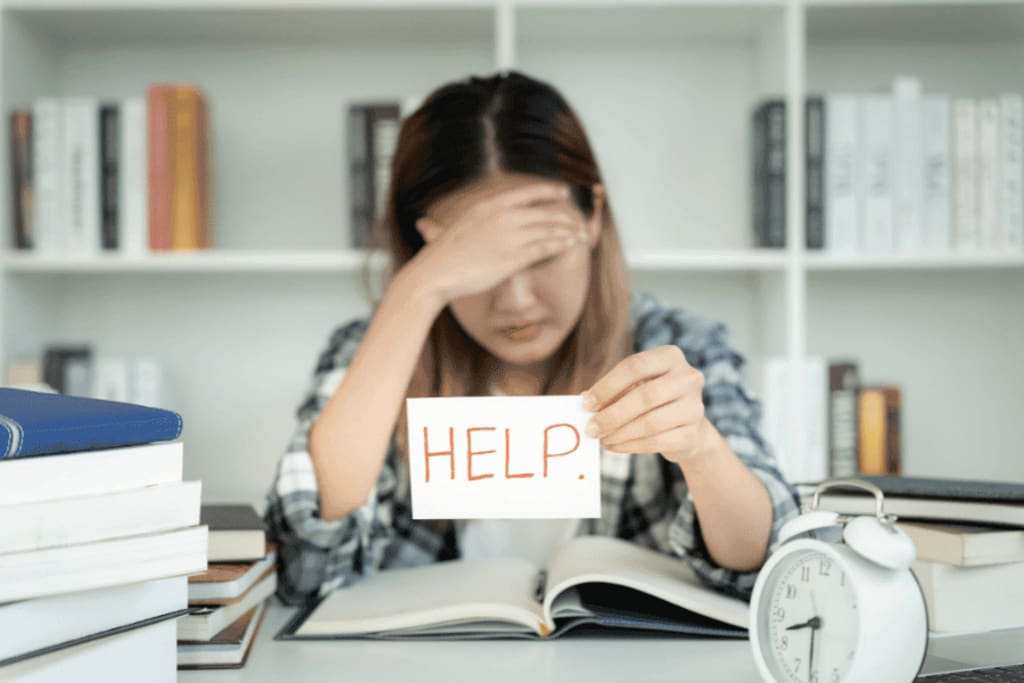
Stress is a part and parcel of life. At moderate levels, it can even motivate us to perform better, be problem-solvers, and adapt to adversities. However, when stress becomes insufferable or chronic, it can inflict unprecedented damage upon physical and mental well-being. While acute stress will come and go with the ups and downs of daily pressures, uncontrolled or chronic stress will yield symptoms of anxiety, depression, burnout, and other mental illnesses. Having knowledge of how stress affects the mind and body is required for protecting mental health and establishing healthier habits of coping.
Understanding Stress
Stress is the physical response to any demand or pressure. It leads to the release of hormones like cortisol and adrenaline, which prepare us to react to danger — popularly known as the "fight-or-flight" reaction. While this reaction is useful during an emergency, repeated stimulation can disrupt essentially every system within the body and mind.
The Link Between Stress and Mental Health
Anxiety Disorders
Chronic stress can propel the brain into an irritable state of readiness. Eventually, this can lead to generalized anxiety disorder, panic attacks, or phobias. Being unable to "turn off" the response results in restlessness, concern, and being overwhelmed.
Depression
Brain chemistry is altered by chronic stress, specifically the equilibrium of neurotransmitters such as serotonin and dopamine. These imbalances may induce depressive symptoms like low mood, loss of interest, hopelessness, and fatigue.
Burnout
Workplace stress, if chronic, can lead to burnout — a state of emotional, physical, and mental exhaustion, characterized by detachment, irritability, and reduced productivity.
Post-Traumatic Stress Disorder (PTSD)
Severe or traumatic stress events (e.g., accidents, abuse, or natural disasters) can lead to PTSD, in which people re-experience the trauma through flashbacks or nightmares.
Psychological Effects of Stress
Irritability and Anger: People under stress may become more easily angered or short-tempered.
Difficulty Concentrating: Stress interferes with memory, concentration, and decision-making.
Low Self-Esteem: Chronic stress can create feelings of helplessness or guilt.
Social Withdrawal: Overwhelmed humans isolate themselves from friends and loved ones, worsening loneliness.
Excessive Worry: Chronic stress has a tendency to escalate into rumination — ceaseless preoccupation with the same problems without resolution.
Physical Effects That Impact Mental Health
Stress impacts the body, and physical symptoms have a tendency to enhance emotional pain:
Sleep Disturbances — Failure to fall or stay asleep. Lack of sleep brings irritability and inability to control emotions.
Headaches and Muscle Tension — Stressed muscles tense up and can start chronic pain.
Digestive Disorders — Stress induces stomach discomfort, diarrhea, or decreased appetite.
Compromised Immune System — Ongoing stress lowers resistance to disease, increasing risk of infection and worsening fatigue.
Substance Misuse — Too often, people attempt to cope with stress using alcohol, drugs, or overeating, all of which further impair mental health.
Who is Most Vulnerable to Stress-Related Mental Health Issues?
Those who work in high-stress occupations (e.g., medical staff, business staff, teachers).
Those who have dual responsibilities for children or adult family members.
Students who experience academic pressure and insecurity about the future.
Those with prior mental illness, as they may find it harder to deal with stress.
People who are under financial or relationship stress.
Case Example
Rahul, a 35-year-old supervisor, started experiencing insomnia and irritability while working on a high-pressure project. Initially, he dismissed it as "normal stress." After a while, he noticed he was yelling at his colleagues, struggling to focus, and constantly tired. Eventually, he lost interest in activities he formerly enjoyed. After consulting, he was diagnosed with stress-induced anxiety and mild depression. Through counseling, stress-management techniques, and lifestyle modification, Rahul regained stability.
This story demonstrates how unchecked stress can spin out of control into full-blown mental health problems — and why early detection is crucial.
Positive Coping Strategies for Stress
Identification of Stress Triggers
Keep a journal to track what situations or thoughts cause the most tension. Knowledge is half the battle.
Relaxation Techniques
Deep breathing
Progressive muscle relaxation
Yoga and meditation
These exercises calm the nervous system and reduce cortisol levels.
Regular Exercise
Physical activity releases endorphins, natural mood-changing chemicals that counteract depression and stress.
Maintain Social Contact
Talking to friends, relatives, or support groups reduces isolation and provides fresh perspectives.
Time Management
Scheduling activities and setting realistic goals prevents feelings of overwhelm. Breaking down big tasks into little steps can significantly reduce stress.
Healthy Lifestyle Habits
Balanced diet
Adequate hydration
Moderate caffeine and alcohol intake
Daily sleep regimen
Seek Professional Help
If stress is interfering with daily activities, therapy can be very beneficial. Cognitive-behavioral therapy (CBT), for example, helps to change negative thinking and form healthier coping styles.
When Stress Turns into a Crisis
Sometimes, stress accumulates to develop into a mental health crisis, such as suicidal ideation or complete inability to function. Indicators include:
Reporting feelings of hopelessness.
Shutting completely off from those who care about them.
Excessive reliance on alcohol or drugs to handle it.
Talking about death or harming oneself.
In such situations, immediate professional help is necessary.
Assisting Someone Under Stress
If you notice your loved one in a struggle:
Listen uncritically. Usually, all they want to do is be heard.
Offer practical support. Little things, like helping out, can take the pressure off.
Encourage professional help. Suggest therapy or counseling if stress seems overwhelming.
Check up frequently. Frequent support ensures they feel supported and that they are not alone.
Final Thoughts
Stress is a normal part of life, yet when chronic or overwhelming, it weighs heavily on mental health. From depression and worry to burnout and PTSD, runaway stress presents real hazards. If warning signs are detected early and coping mechanisms are acquired, mental well-being is saved and eventual harm can be prevented.
Stress does not need to control your life. With understanding, support, and professional guidance as needed, one can become resilient and balance back.
For more resources and expert guidance, go to:
About the Creator
Keep reading
More stories from Naveen Garg and writers in Education and other communities.
What Are the Early Warning Signs of Depression?
Depression is a major world mental disorder that affects millions of people of all ages. Though common, it goes unnoticed during the early stages since the symptoms are not always noticeable or may be confused with ordinary stress or unhappiness. Early warning signs should be noted since early intervention can avoid deterioration and significantly enhance outcomes. This article talks about the first symptoms of depression, why they matter, and how to find the appropriate assistance.
By Naveen Garg5 months ago in Education
Top 10 SEO Experts In Pakistan In 2026
Introduction Search optimization in 2026 no longer revolves around keywords or isolated ranking tactics. Google’s AI Overviews, entity-based indexing, and answer-first systems have changed how visibility is earned. Search engines now evaluate meaning, credibility, and contextual authority rather than mechanical signals.
By Sajid Ali Shar3 days ago in Education
Colors and Such
Before I retired in 2020, I worked as a Nursing instructor in one of the nation's largest community colleges. It was a job I thoroughly enjoyed for fifteen years because I had a heart for the students and genuinely wanted to invest in them and their futures.
By Shirley Belk4 days ago in Education
So You Decided To Become a Nurse Practitioner:
So you decided to become an "Advanced Practice" nurse. Congratulations!... is what I would say if this was a good idea. Grad school? In this economy? What were you thinking? Likely it was something along the lines of either 1) “I've seen these other chucklefucks do it— Why can't I?” or even 2) “I've got a nice career, I should shake it up. I miss feeling like I have no clue what I'm doing.”
By Sandor Szabo2 days ago in Fiction



Comments
There are no comments for this story
Be the first to respond and start the conversation.