
How does chronic stress affect mental health, and what is to be done regarding that?
chronic stress affect mental health
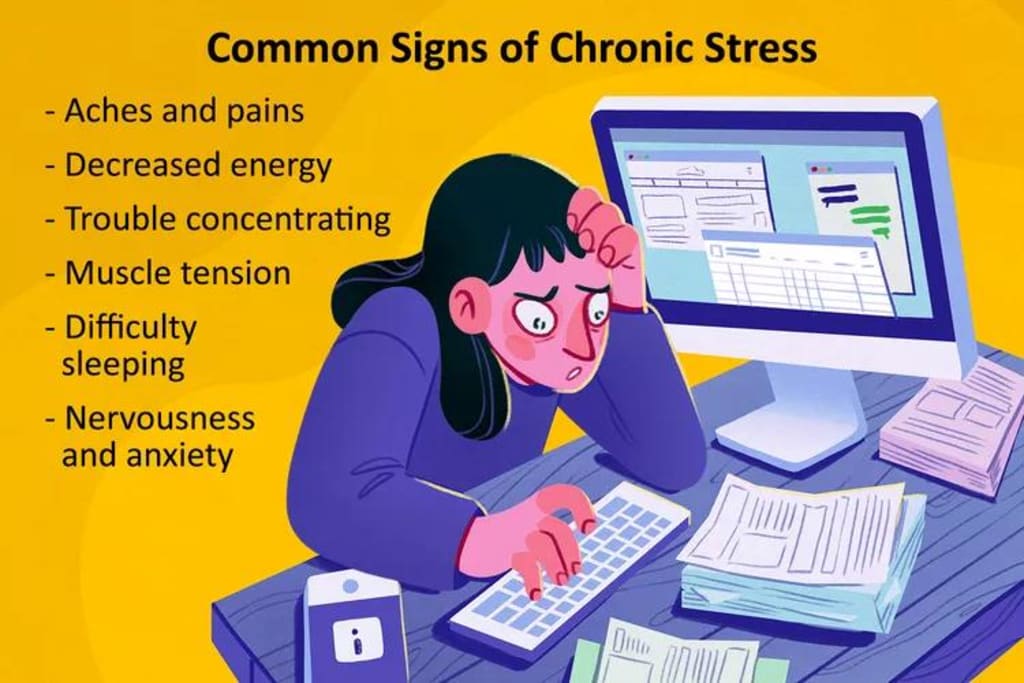
Stress is a part of life. In small doses, it can keep us on our toes, alert, focused, and motivated. But when stress becomes chronic, it can begin to have serious consequences for both physical and mental health. In today's modern world—marked by round-the-clock connectivity, job pressures, financial concerns, and social demands—chronic stress has become a too-common affliction. While the brain and body are built to handle occasional bouts of stress (so-called "fight-or-flight" response), they are not built to stay constantly "on" and tense.
Chronic stress, in the long term, can have a deep impact on emotional health, lead to burnout, and significantly increase vulnerability to psychological disorders such as anxiety disorders, depression, and substance abuse. It is necessary to understand how stress affects the mind and learn appropriate coping strategies to ensure mental health and lead a balanced lifestyle.
What Is Chronic Stress?
Chronic stress is an ongoing sense of pressure and overwhelm that continues over a lengthy period of time. In contrast to acute stress, which is temporary and linked to a specific event (like a test or job interview), chronic stress does not just vanish. It can be caused by long-term life situations like:
Extended caregiving responsibilities
Financial issues
Job pressures or job insecurity
Toxic relationships
Chronic illness
Trauma or unresolved problems
Chronic stress continually activates the hypothalamic-pituitary-adrenal (HPA) axis, secreting too much cortisol and adrenaline, which may result in mental and physical exhaustion.
The Psychological Impact of Chronic Stress
1. Anxiety and Panic Disorders
Chronic stress can lead to oversensitivity to threat, with the brain being on high alert. Chronic overactivation can lead to generalized anxiety disorder (GAD), panic, or phobias. People might complain of:
Persistent worry
Restlessness
Impaired concentration
Physical symptoms such as palpitations, dizziness, or chest tightness
2. Depression
(Depression can be a result of chronic stress or a cause leading to chronic stress.)
When the stress response is unabated, it can destabilize neurotransmitter systems that regulate mood—such as serotonin, dopamine, and norepinephrine. Such instability can result in depressive symptoms, including:
Feelings of hopelessness
Lack of motivation
Sleep disturbances
Fatigue and irritability
Suicidal tendencies in severe cases
Chronic stress also deactivates neuroplasticity—the brain's ability to adapt and change—which is vital for depression recovery.
3. Cognitive Impairment
Chronic stress hormone exposure can also shrink the hippocampus, a brain structure that is utilized for learning and memory. Chronically stressed people typically complain of:
Forgetfulness
Difficulty in decision-making
Inability to absorb new information
Mental fogginess or confusion
These cognitive symptoms can also result in frustration and low self-esteem.
4. Substance Use and Behavioral Changes
To cope with chronic stress, individuals may use alcohol, drugs, overeating, smoking, or excessive screen time as a form of escape. These can provide short-term relief but can further worsen their mental health in the long run and even lead to dependence or addiction.
Physical Health and How It Relates to Mental Health
The body and mind are interconnected. Chronic stress is a significant contributor to:
Cardiovascular disease
High blood pressure
Weakened immune system
Digestive issues (e.g., IBS)
Insomnia
Hormonal imbalances
Physical illness or pain, in turn, may intensify symptoms of anxiety and depression, creating a vicious cycle of poor health.
How Chronic Stress Interferes with Daily Life
If left unchecked, chronic stress can interfere with every aspect of a person's life:
Work and productivity can be impacted by poor focus or burnout.
Relationships can be harmed as irritability and withdrawal increase.
Self-care may be neglected, leading to poor nutrition, lack of exercise, or hygiene issues.
Sleep quality also declines, which further worsens mood and energy.
Being sensitized to these tendencies is the initial step towards breaking free from the claws of chronic stress.
How to Manage and Reduce Chronic Stress
Chronic stress is fortunately manageable, and one can significantly reduce its influence on mental well-being with the right tools, assistance, and habits.
1. Mindfulness and Meditation
Mindfulness is being present without judgment. Mindfulness meditation every day has been shown to:
Reduce cortisol levels
Reduce symptoms of depression and anxiety
Aid in emotion regulation
Increase self-awareness
Even 10–15 minutes a day of breathing, guided meditation, or body scan can be felt.
2. Cognitive Behavioral Therapy (CBT)
CBT allows individuals to learn how to be aware of negative thought patterns and convert them into more realistic ones. It is very helpful in managing stress-related conditions like depression and anxiety. A therapist trained in CBT can help patients learn coping skills, set boundaries, and more effectively problem-solve.
3. Exercise and Movement
Exercise is a natural stress reliever. It releases endorphins (the brain's "feel-good" chemicals) and improves sleep, self-esteem, and energy. Walking, swimming, yoga, or dancing are activities that can stabilize mood and reduce tension.
4. Sleep Hygiene
Chronic stress and sleep problems tend to co-occur. To improve sleep:
Have a consistent sleep schedule
Limit screen time before bed
Avoid caffeine and alcohol in the evening
Keep the sleeping area cool, dark, and quiet
If sleep issues persist, a doctor's or sleep specialist's visit is recommended.
5. Balanced Diet
A balanced diet optimizes brain function and hormonal balance. Reduce consumption of processed food, sugar, and caffeine, and increase consumption of:
Omega-3 fatty acids (fish, flaxseeds)
Whole grains
Leafy greens
Nuts and seeds
Fresh fruits and vegetables
Drinking water and eating small meals regularly maintains energy and blood sugar levels.
6. Set Boundaries and Say No
Chronic stress is generally the result of doing too much. Saying no, setting realistic goals, and delegating tasks are essential in order to have energy and mental clarity. This is especially important at work or in caregiving roles.
7. Connection and Support
Isolation amplifies the adverse effects of stress. New perspective and relief may be obtained by discussing concerns with friends, joining a support group, or attending professional counseling. Having an outlet to share emotions in a secure environment can be incredibly healing.
8. Minimize Exposure to Stressors
Some stressors are unavoidable, but others may be minimized. For example:
Restrict doom-scrolling or intake of bad news
Manage screen time and engage in technology breaks
Declutter the environment to remove visual stress
Plan your day to reduce chaos and decision fatigue
When to Seek Professional Help
If stress is interfering with your functioning, or you're experiencing symptoms of anxiety, depression, panic attacks, or suicidal thoughts, it's essential to seek help from a licensed mental health professional. Therapy, medication, or both in combination can provide dramatic and long-term relief.
Mental health is just as important as physical health. Maintaining well-being is not selfish—it's a sign of strength and self-love.
A Message of Hope
Chronic stress can be daunting, but it needn't dominate your life. With the right help and guidance, you can reclaim your peace, purpose, and joy. Healing doesn't necessarily mean eliminating all stress—it means learning to manage it, build resilience, and approach life's challenges with courage and compassion.
You are not by yourself. Millions of people are learning to cope with and overcome the effects of chronic stress every day. With patience, time, and self-care, healing is not just a possibility—it's within reach.
To get professional mental health services, you can visit:
https://www.delhimindclinic.com/
https://www.craftcmsdeveloper.in/
Contact me if you'd like to talk about changes to your Craft site or just need to discuss your Craft project. I'm available for a free consultation!
About the Creator
Keep reading
More stories from Naveen Garg and writers in Education and other communities.
What is Obsessive-Compulsive Disorder (OCD) and how can it be treated?
Obsessive-Compulsive Disorder, popularly known as OCD, is a long-term mental health disorder that strikes individuals of all ages and backgrounds. Although the label "OCD" is frequently misunderstood or trivialized in everyday speech—like when an individual states that they're "so OCD" because they prefer their workspace tidy—the actual experience of living with OCD is considerably more severe and debilitating. This condition has a cycle of obsessions (involuntary, intrusive thoughts) and compulsions (repetitive behaviors or mental acts that are performed to reduce anxiety).
By Naveen Garg6 months ago in Education
Your phones camera isn't as good as you think
When the Visualphone VP210 hit the market in 1999, it advertised a never-before-seen feature: a camera. With only 0.11 megapixels and storage for 20 photos, the Visualphone is a relic compared to modern devices sporting three distinct cameras, each with up to 100 times more resolution. But while this technology has improved dramatically in the 21st century, engineers are rapidly approaching a hard limit on phone camera quality. To understand this limit, we first need to know how phone cameras work.
By Munesh Yadava day ago in Education
Miss Persephone's Manual to a Seemingly Ordinary Life
Miss Persephone was found at the dining table, her blue eyes swollen, her tears arriving and retreating like the tides of the ocean. Earlier that day, her family had visited her in the retirement home where she had lived for eight years. It was her eightieth birthday.
By Imola Tóth2 days ago in Fiction


Comments
There are no comments for this story
Be the first to respond and start the conversation.