
How does attendance tracking improve workforce planning?
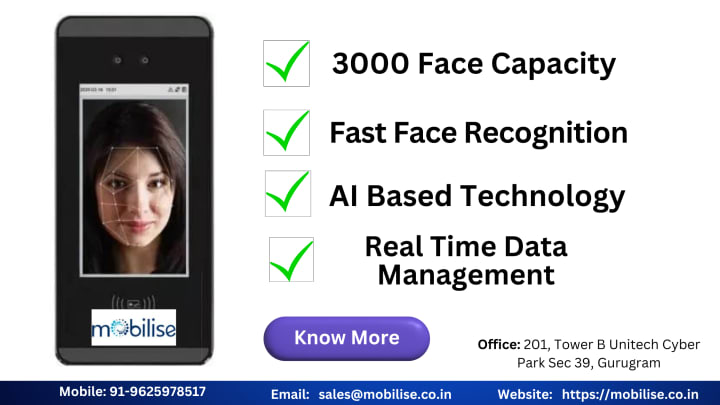
Face Biometric Attendance System

Attendance tracking plays a vital role in any organization's workforce management strategy. It involves monitoring when employees start and end their work, keeping tabs on absenteeism, and ensuring compliance with company policies. Workforce planning, on the other hand, focuses on forecasting future workforce needs and ensuring the right people are in the right roles at the right time. So, how does one influence the other? Let's dive into the details.
The Connection Between Attendance Tracking and Workforce Planning
Why Accurate Data Matters?
Imagine planning a road trip without a map. Workforce planning without accurate attendance data is just as chaotic. Tracking attendance provides critical insights into employee behavior, availability, and overall work trends, forming the backbone of strategic workforce decisions.
Real-time Insights for Better Decisions
Modern attendance systems offer real-time data that managers can use to adjust staffing needs on the fly. Whether it's filling a sudden vacancy or redistributing workload, these insights make workforce planning more responsive and efficient.
Benefits of Attendance Tracking in Workforce Planning
Enhanced Productivity
Identifying attendance patterns helps pinpoint employees who may be struggling with punctuality or absenteeism. With this data, organizations can implement targeted interventions to keep productivity high.
Better Scheduling
Effective scheduling ensures you have just the right number of people working—not too many, not too few. Attendance tracking reveals trends that inform optimal scheduling, ensuring no department is left short-staffed.
Improved Employee Morale
Transparency in attendance policies fosters trust among employees. When everyone knows the rules are applied fairly, workplace morale gets a boost.
Role of Technology in Attendance Tracking
Automated Tools for Accurate Data
Gone are the days of manual timecards. Modern systems use automation to track attendance with precision, reducing errors and freeing up HR teams for more strategic tasks.
Integration with HR Software
Integrating attendance tracking with HR software centralizes data, making it easier to analyze trends, plan schedules, and manage payroll.
Key Features of Modern Attendance Tracking Systems
Biometric Systems
Biometric systems add a layer of security by using unique physical characteristics like fingerprints to track attendance.
Mobile Apps and Remote Tracking
Mobile solutions cater to today's hybrid work environments, allowing remote teams to log their attendance effortlessly.
Real-time Analytics
Advanced analytics tools provide dashboards and reports, turning raw data into actionable insights.
Addressing Common Challenges
Data Privacy Concerns
Implementing attendance systems requires a focus on safeguarding employee data to build trust and ensure compliance with privacy laws.
Resistance to Change
Change is hard, but clear communication about the benefits of attendance tracking can help ease the transition for employees.
Industry-Specific Applications
Healthcare Sector
In healthcare, tracking attendance ensures optimal staffing levels for quality patient care.
Manufacturing Industry
Attendance tracking in manufacturing helps avoid costly downtime due to understaffing.
Retail and Customer Service
Retail businesses rely on attendance data to maintain customer satisfaction by ensuring adequate staff coverage during peak hours.
Case Studies and Success Stories
How Companies Improved Workforce Planning?
Organizations that adopted attendance tracking systems reported increased efficiency and employee satisfaction.
Quantifiable Results
For example, a mid-sized retail chain saw a 20% reduction in absenteeism within six months of implementing a biometric attendance system.
Best Practices for Implementing Attendance Tracking
Educating Employees
Training sessions can help employees understand how attendance tracking benefits both them and the organization.
Regular Data Reviews
Consistently reviewing attendance data ensures the system is being used effectively and identifies areas for improvement.
The Future of Attendance Tracking in Workforce Planning
With advancements like AI and predictive analytics, the future of attendance tracking looks promising. Cloud-based solutions and wearable tech may soon revolutionize how organizations manage their workforce.
Conclusion
Attendance tracking isn’t just about monitoring employees—it’s about creating a foundation for smarter, more effective workforce planning. By leveraging technology and implementing best practices, organizations can unlock significant benefits in productivity, scheduling, and employee satisfaction.
FAQs on Attendance and Workforce
1. What is attendance tracking?
Ans. Attendance tracking involves recording when employees clock in and out, helping organizations monitor their workforce’s punctuality and availability.
2. How does attendance tracking help reduce absenteeism?
Ans. By identifying patterns of absenteeism, managers can implement strategies to address underlying issues, reducing unplanned absences.
3. What tools are best for attendance tracking?
Ans. Biometric systems, mobile apps, and integrated HR software are popular tools for efficient attendance tracking.
4. Is attendance tracking beneficial for remote teams?
Ans. Absolutely! Mobile apps and cloud-based systems allow remote employees to log their attendance seamlessly.
5. How can small businesses afford attendance tracking systems?
Ans. Many affordable cloud-based options are available, making attendance tracking accessible even for small businesses.
About the Creator
Nick
ERP Software Expert at www.mobilise.co.in
Mastering the Mental Game: Pro Poker Strategies to Eliminate Tilt for Good
Avoiding tilt is one of the most crucial elements for long-term success in poker. Tilt, the emotional state that leads to poor decision-making, can unravel even the most skilled player’s efforts. Professional poker players understand that maintaining a calm, composed mindset is as important as knowing the odds or mastering bluffing techniques. Here’s how the best in the game stay mentally sharp and emotionally resilient.
By Micah Raskin Poker about 19 hours ago in Education
Instructions Included Challenge Winners
For the Instructions Included challenge, we asked writers to tell a story through instructions and to trust the form to carry what could not be said outright. Across the top entries, that trust paid off in many different ways.
By Vocal Curation Team2 days ago in Resources




Comments
There are no comments for this story
Be the first to respond and start the conversation.