
How Does AI Work? Explaining Artificial Intelligence for Kids & Teens
From robot brains to pattern recognition, here’s how AI really works—without the boring parts.
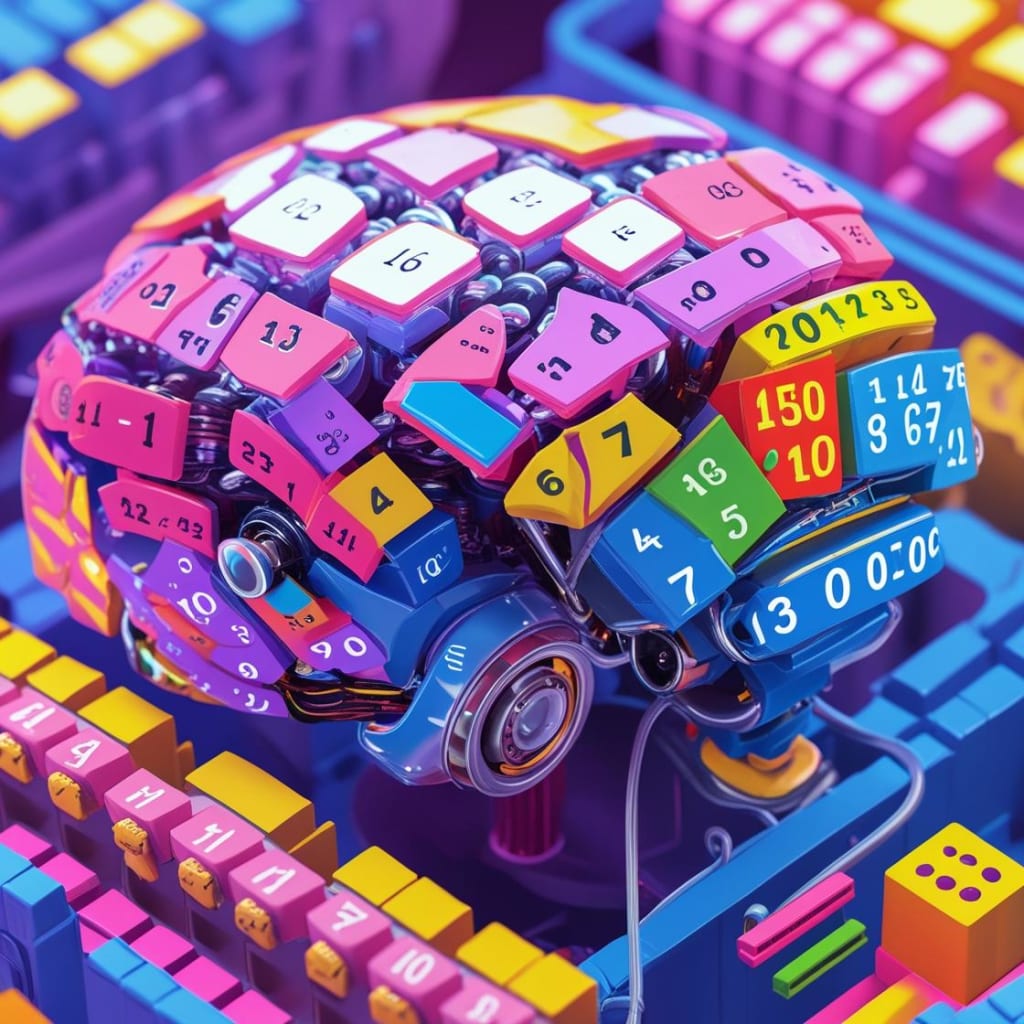
Artificial Intelligence, or “AI,” has become one of those phrases you hear everywhere—on the news, in games, even at school. But what does it actually mean? Is it like a robot brain? Is it magic? Or is it something else entirely?
The truth is, AI isn’t magic—it’s practice, patterns, and a LOT of learning. Let’s break it down in a fun way that makes sense for kids and teens.
🧠 AI is Like a Brain That Learns from Practice
Think about when you first learned to ride a bike or play a video game. You probably weren’t great at it right away. But the more you practiced, the better you became.
AI works the same way! Instead of arms and legs, though, it has code and data. Engineers give an AI thousands—even millions—of practice examples, so it can “learn” what’s correct and what isn’t.
🐶🐱 The World’s Biggest Game of Guess Who
Here’s a fun example: if you show AI thousands of pictures of cats and dogs, it starts to figure out the difference. At first, it makes a lot of mistakes. But after enough practice, it can look at a new picture and say, “That’s a cat!” or “That’s a dog!”
It’s basically like the world’s biggest version of Guess Who, except instead of people with hats and glasses, it’s furry friends with whiskers and wagging tails.
🔢 Patterns, Not Feelings
One important thing to remember is this: AI doesn’t think like humans. It doesn’t feel emotions or have opinions. Instead, it looks for patterns.
Inside, it’s kind of like millions of tiny light switches flipping on and off at lightning speed. Those switches represent rules and math equations that guide the AI toward an answer.
So when AI says, “This is a dog,” it’s not because it likes dogs—it’s because the math inside its “brain” recognized the right pattern.
🎮 Leveling Up, Just Like in Games
The more examples you feed AI, the smarter it becomes. Think of it as “leveling up,” just like you do in your favorite video game. At Level 1, it’s clumsy and makes mistakes. But by Level 50, it’s a pro!
That’s why AI gets better over time—because practice and feedback help it grow.
🚗 Where You See AI Every Day
You might not realize it, but AI is already part of your daily life:
🎶 Music apps like Spotify or Apple Music use AI to pick songs you’ll probably enjoy.
🧑⚕️ Doctors use AI tools to help detect illnesses faster.
🚘 Car companies use AI to create self-driving cars.
🎮 Even video games use AI to control the characters you don’t play.
AI is like a quiet helper that works in the background to make life smoother.
✨ The Big Takeaway
AI isn’t something to be scared of, and it isn’t a kind of robot magic. It’s simply the result of practice, patterns, and math. Just like you get smarter with schoolwork or sports, AI improves by doing the same thing over and over—until it gets really good at it.
So next time you hear “AI,” you’ll know it’s not just a buzzword. It’s a tool that helps shape the world around us, from the music in your earbuds to the cars on the road.
🚀 Want to Learn More?
If you liked this fun explainer, I’ve turned it into a colorful eBook for kids and teens with cool visuals and playful examples. It’s perfect for students, parents, and teachers who want to make STEM learning exciting.
👉 Click here to grab How Does AI Work? on Ko-fi
👉 Click here to grab How Does AI Work? on Gumroad
And if you’re curious about even more fun tech explainers, check out my YouTube channel here:
👉 Tech Teller on YouTube
About the Creator
Tech Tellers
Digital creator sharing uqick insights on focus, growth, and real-world side hustles. Helping people build better habits, one post at a time.
Keep reading
More stories from Tech Tellers and writers in Education and other communities.
What Is “The Cloud”? A Fun, Simple Explain-It Like I’m 10 Guide
Introduction Technology can feel overwhelming, especially if you’re new to it or you’ve grown up in a time before smartphones and cloud storage. That’s where Tech Teller comes in. Our mission is simple: to break down complicated tech topics into easy-to-understand explanations. Whether you’re a curious kid, a parent trying to keep up, or just someone who wants to feel more confident online, Tech Teller has something for you.
By Tech Tellers7 months ago in Education
Why the Sun Appears Yellow: The Science Behind the Color of Our Star
The True Color of the Sun Although people often describe the Sun as yellow, scientists classify it as a white star. The Sun emits light across the entire visible spectrum, including red, orange, yellow, green, blue, and violet wavelengths.
By shahkar jalalabout 22 hours ago in Education
Review of 'Man on the Run'
My wife and I saw Man on the Run, a nearly 2-hour documentary on Amazon Prime, about Wings, Paul McCartney's group that flew around the world from shortly after The Beatles broke up in early 1970 to shortly after John Lennon was murdered at the end of 1980, making a Beatles reunion forever impossible.
By Paul Levinson5 days ago in Beat



Comments
There are no comments for this story
Be the first to respond and start the conversation.