
How Solar Activity Affects Night Skies
The night sky may appear calm and unchanging, but it is deeply influenced by activity from our nearest star. Solar flares, coronal mass ejections, and variations in the solar wind constantly interact with Earth’s magnetic field and atmosphere. These interactions shape everything from auroras and airglow to radio interference and satellite performance.

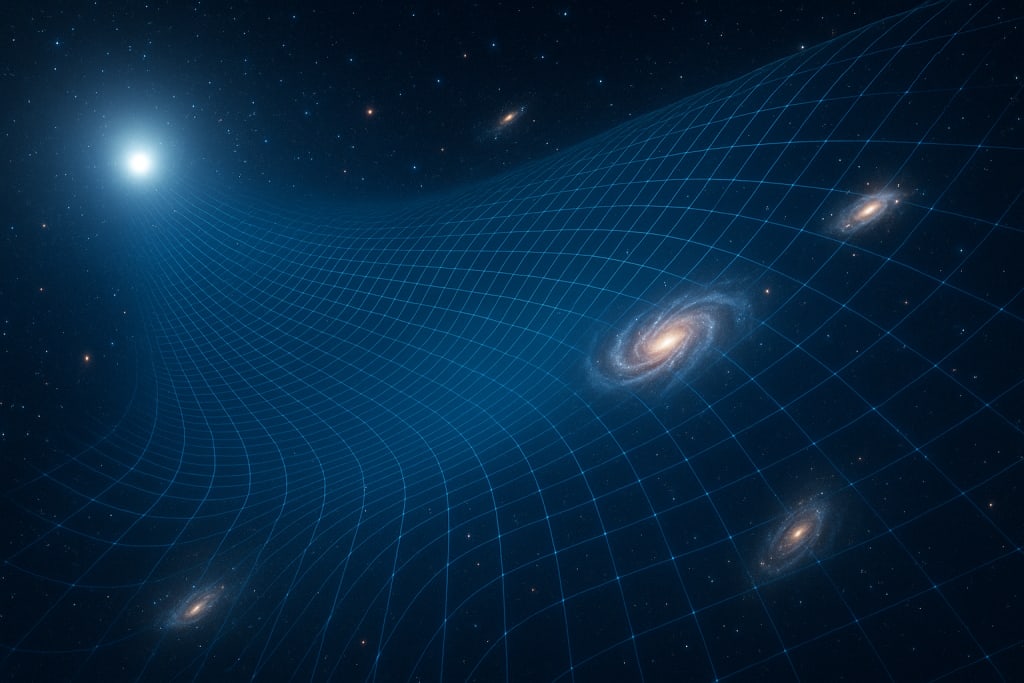
Understanding Solar Activity
Solar activity refers to dynamic events occurring on and above the Sun’s surface. The Sun is not a static ball of light—it is a massive sphere of plasma driven by magnetic forces.
Key types of solar activity include:
• Solar flares
• Coronal mass ejections (CMEs)
• Sunspots
• Solar wind streams
• Prominences
These events release charged particles and radiation into space. When directed toward Earth, they can dramatically influence our atmosphere and night sky.
________________________________________
The Solar Cycle and Its Impact
Solar activity follows an approximately 11-year cycle, known as the solar cycle. During solar maximum:
• Sunspots increase
• Solar flares become frequent
• Geomagnetic storms intensify
During solar minimum:
• The Sun appears quieter
• Fewer sunspots are visible
• Auroras are less frequent
This cycle plays a major role in how often night sky phenomena occur.
________________________________________
Solar Wind and Earth’s Magnetic Shield
The Sun constantly emits a stream of charged particles called the solar wind. When this wind reaches Earth, it interacts with our planet’s magnetic field.
Earth is protected by the magnetosphere—a magnetic shield generated by its molten core. This shield deflects most harmful radiation but channels some charged particles toward the poles.
This interaction creates one of the most spectacular effects in the night sky: auroras.
________________________________________
Auroras: The Most Visible Effect of Solar Activity
Auroras are luminous displays that occur when charged solar particles collide with gases in Earth’s upper atmosphere.
In the Northern Hemisphere, this phenomenon is called:
• Aurora Borealis
In the Southern Hemisphere, it is known as:
• Aurora Australis
When energetic particles strike oxygen and nitrogen atoms, they emit light in various colors:
• Green (oxygen at lower altitudes)
• Red (oxygen at higher altitudes)
• Blue and purple (nitrogen)
During periods of high solar activity, auroras become more intense and visible at lower latitudes than usual.
________________________________________
Geomagnetic Storms and Sky Glow
Strong solar flares and coronal mass ejections can trigger geomagnetic storms.
When a CME reaches Earth:
• The magnetosphere compresses
• Electrical currents increase
• Auroral activity expands
Severe geomagnetic storms can cause auroras to be visible far from the poles, sometimes reaching mid-latitude regions.
These storms can also enhance a subtle atmospheric glow called airglow.
________________________________________
What Is Airglow?
Airglow is a faint natural light emitted by Earth’s upper atmosphere.
Unlike auroras, airglow:
• Occurs constantly
• Is usually too faint to notice in cities
• Becomes visible in dark-sky locations
Solar activity influences airglow intensity. Increased ultraviolet radiation from the Sun excites atmospheric atoms, making the night sky slightly brighter than usual.
This can reduce contrast for astronomers trying to observe faint galaxies.
________________________________________
Impact on Astronomical Observations
Solar activity can complicate astronomical research.
Effects include:
• Increased sky brightness
• Radio interference
• Satellite communication disruptions
• Ionospheric disturbances
Radio astronomers are particularly affected. Solar flares can create bursts of radio noise that interfere with observations.
Facilities studying distant galaxies or pulsars must account for these disruptions.
________________________________________
Ionospheric Disturbances
The ionosphere is a layer of Earth’s atmosphere filled with charged particles.
Solar flares can suddenly increase ionization levels, causing:
• Signal distortion
• GPS errors
• Shortwave radio disruption
While not directly visible, these changes affect how astronomers receive data from radio telescopes.
________________________________________
Solar Flares and Sudden Sky Changes
Solar flares are intense bursts of radiation from the Sun’s surface.
When a flare occurs:
• X-rays and ultraviolet radiation reach Earth in about 8 minutes
• The ionosphere reacts almost immediately
• Communication systems may be disrupted
Although solar flares do not directly change the Moon or stars’ appearance, they can indirectly influence night sky visibility through atmospheric effects.
________________________________________
Coronal Mass Ejections and Auroral Expansion
Coronal mass ejections are massive clouds of solar plasma launched into space.
If Earth lies in their path:
• Charged particles arrive in 1–3 days
• Auroral activity intensifies
• Geomagnetic storms occur
The strength of the storm determines how far from the poles auroras can be seen.
Some historic solar storms have produced auroras visible in tropical regions.
________________________________________
Historical Solar Storm Events
One of the most famous solar storms was the Carrington Event of 1859.
During this event:
• Telegraph systems failed
• Auroras were seen worldwide
• The sky glowed intensely red
If a similar event occurred today, it could disrupt satellites, power grids, and communication systems.
Modern monitoring helps predict and mitigate such risks.
________________________________________
Satellite Monitoring of Solar Activity
Space agencies constantly monitor the Sun.
Organizations such as NASA and NOAA operate satellites that track:
• Solar flares
• Sunspots
• Solar wind speed
• Magnetic field strength
These observations allow scientists to forecast space weather and alert observatories of potential disruptions.
________________________________________
Effects on Deep-Sky Observing
During periods of high solar activity:
• Airglow may intensify
• Background sky brightness may increase
• Faint galaxies become harder to detect
Objects such as the Andromeda Galaxy require dark skies for optimal visibility.
Increased atmospheric glow reduces contrast, especially for astrophotographers.
________________________________________
Impact on Astrophotography
Astrophotographers tracking the Milky Way often prefer nights with low solar activity.
However, those chasing auroras prefer solar maximum periods.
Thus, solar activity can either enhance or hinder night sky photography depending on the target.
________________________________________
Zodiacal Light and Solar Influence
Zodiacal light is sunlight scattered by interplanetary dust in the solar system.
While not directly caused by solar activity, its visibility depends on dark skies.
If solar-driven airglow increases brightness, zodiacal light becomes harder to see.
________________________________________
Solar Maximum vs Solar Minimum Night Skies
During Solar Maximum:
• Frequent auroras
• Strong geomagnetic storms
• Increased airglow
• Greater radio interference
During Solar Minimum:
• Fewer auroras
• Darker overall sky background
• Better conditions for deep-sky astronomy
Both phases offer unique observational opportunities.
________________________________________
Solar Activity and Satellite Safety
Geomagnetic storms can damage satellites and disrupt communication systems.
Astronomers relying on space-based telescopes must monitor solar forecasts carefully.
Solar storms can temporarily shut down instruments or alter satellite orbits due to atmospheric expansion.
________________________________________
Atmospheric Expansion and Orbital Drag
When solar activity increases:
• Earth’s upper atmosphere heats and expands
• Satellite drag increases
• Orbital paths may shift slightly
This can affect the positioning of satellites used for astronomical research.
________________________________________
Can Solar Activity Change Star Colors?
Solar activity does not change the actual color of stars.
However:
• Enhanced atmospheric glow may alter perceived contrast
• Auroral light may tint parts of the sky
These are atmospheric effects rather than changes in the stars themselves.
________________________________________
The Future of Solar Monitoring
New solar observatories and spacecraft continue improving our understanding of solar activity.
Advanced forecasting models help astronomers:
• Plan observations
• Protect equipment
• Study space weather effects
As our reliance on satellites grows, monitoring solar behavior becomes increasingly critical.
________________________________________
Conclusion: A Dynamic Connection Between Sun and Night Sky
Solar activity profoundly influences night skies. From dazzling auroras to subtle airglow changes, the Sun’s magnetic energy shapes atmospheric behavior in visible and invisible ways.
During periods of intense activity, geomagnetic storms can create breathtaking auroral displays while simultaneously challenging astronomers with increased sky brightness and radio interference. During quieter solar phases, darker skies favor deep-space observations.
Ultimately, our night sky is not isolated from the Sun. It is part of a dynamic solar-terrestrial system. Every aurora, every subtle glow, and every geomagnetic disturbance reminds us that even after sunset, the Sun continues to shape what we see above.
Understanding how solar activity affects night skies deepens our appreciation for both astronomy and the powerful star that sustains life on Earth.
About the Creator
Keep reading
More stories from shahkar jalal and writers in Education and other communities.
Why the Moon Sometimes Appears Orange
The Moon’s True Color Before diving into atmospheric effects, it’s important to understand the Moon’s actual color. The surface of the Moon is primarily gray, composed of rock and dust called regolith. It reflects sunlight rather than producing its own light.
By shahkar jalalabout an hour ago in Education
Pearl
1980 something. we all hung out at Pearl and you and i were nothing special, or so i thought. i mean we all danced, drenched in our own sweat, our own saline solution of fear, too many beers, shots, laughter, tears, fucks in the bathroom and i don't know when we began to be afraid. do you?
By ROCK aka Andrea Polla (Simmons)5 days ago in Fiction



Comments
There are no comments for this story
Be the first to respond and start the conversation.