
How does a psychologist help an individual deal with depression?
Psychologist help

Depression is among the most common mental illnesses globally, cutting across cultures, age groups, and life situations. It is not something similar to feeling sad or down, which anybody can feel at some time in their lives, but a chronic condition that influences how one feels, thinks, and behaves. Depression can disrupt relationships, work performance, and overall well-being. For many people, depression may manifest as an overwhelming sense of hopelessness, fatigue, or disinterest in activities they once enjoyed. Left untreated, it can have severe consequences, including physical health complications and, in extreme cases, suicidal ideation.
Psychologists are best suited to assist those suffering from depression, providing research-backed interventions that not only mitigate symptoms but also enable clients to re-establish rich and meaningful lives. They do much more than listen—instead, they offer directed therapies, coping skills, and a compassionate, nonjudgmental environment for recovery.
Understanding Depression and Its Impact
Depression is a multifaceted mental illness with several contributing etiologies, including biological, psychological, and social factors. Some are genetically predisposed, but others develop depression based on life stressors, such as trauma, loss, or chronic disease. Neurochemical imbalance, especially involving serotonin, dopamine, and norepinephrine, also is a factor.
Some typical symptoms of depression are:
Persistent sadness, emptiness, or irritability
Loss of interest in activities that once were pleasurable
Changes in sleep or appetite
Fatigue and loss of energy
Difficulty in concentrating or decision-making
Guilt, worthlessness, or hopelessness
Physical symptoms without definite medical origins
Suicidal thoughts or behavior in extreme cases
Depression varies from mild to extreme and can manifest differently in different people. Some will have mostly emotional symptoms, while others sense it through physical pain or mental challenges.
How Psychologists Assist People with Depression
Meticulous Evaluation
The initial step is the comprehension of the client's individual experience with depression. Psychologists use detailed assessments such as clinical interviews, psychological tests, and questioning the history. This helps them discern the factors, concurrent problems (like anxiety or substance abuse), and the most appropriate therapeutic modality.
Cognitive Behavioral Therapy (CBT)
CBT is commonly used to treat depression. It enables individuals to recognize distorted negative thinking—e.g., "I am worthless" or "Things will never get any better"—and shift them to more balanced, realistic views. Clients also discover behavioral skills, such as activities that yield a feeling of accomplishment or enjoyment, which combat withdrawal and passivity.
Interpersonal Therapy (IPT)
IPT is concerned with the contribution of relationships and social support to depression. IPT assists clients to work out interpersonal conflicts, adjust to role transitions (e.g., becoming a parent or retirement), and work through grief or loss. Improving relationships generally serves to decrease feelings of isolation, which may exacerbate depression.
Psychodynamic Therapy
Others find it helpful to uncover unconscious processes, unworked-through conflicts, and early experiences that shape current depressive symptoms. Psychodynamic therapy offers understanding of long-term patterns, with clients gaining an understanding of themselves and breaking cycles that maintain distress.
Behavioral Activation
Depression tends to promote avoidance and inactivity, which perpetuate low mood. Behavioral activation prompts clients to systematically resume engaging in valued and enjoyable activities. By planning and fulfilling little tasks, people gain momentum, overcome hopelessness, and start feeling improvement in mood and motivation.
Mindfulness-Based Approaches
Mindfulness-based cognitive therapy (MBCT) and other comparable practices instruct clients to witness their thoughts and feelings in a non-judgmental manner. This interrupts the process of rumination, a hallmark of depression in which people spend too much time worrying about negative things and past regrets.
Psychoeducation
Knowledge of depression as a disease rather than a weakness gives clients empowerment. Psychologists educate clients on symptoms, treatment, and relapse prevention. This diminishes stigma and promotes self-compassion, which is important in recovery.
Coping Skills Training
Psychologists provide individuals with skills to cope with stress, control emotions, and effectively solve problems. These skills not only contribute to depression management but also to prevention of relapses.
Crisis Intervention and Safety Planning
For those with suicidal thoughts, psychologists are crucial in crisis intervention. They work together to establish safety plans, find support systems, and, as needed, refer clients for further medical or psychiatric treatment.
Relapse Prevention
Depression may recur. Psychologists assist clients in identifying early warning signs, building habits of long-term self-care, and keeping up with progress. Regular follow-up or booster sessions may be advised to help maintain recovery.
Beyond Therapy: Lifestyle and Holistic Support
Aside from formal therapies, psychologists commonly recommend lifestyle habits that support treatment. These include:
Exercise: Routine exercise improves mood through endorphin release.
Sleep hygiene: Developing a regular sleep schedule aids emotional control.
Nutrition: Eating well-balanced meals can enhance energy and cognitive function.
Social connections: Creating and sustaining supportive relationships decreases loneliness.
Creative or spiritual outlets: Activities including writing, drawing, or meditation give meaning and expression.
Why Seeing a Psychologist Matters
Unlike loving relatives or friends, psychologists know how to identify patterns, apply evidence-based practices, and remain objective. They offer mechanisms for change that last instead of merely providing temporary relief. Professional help does not prove weakness—rather, it is a measure of courage and dedication to healing.
For most, the relationship itself is a forceful source of healing. Having someone to listen without judgment, mirror feelings, and empower recovery gives hope and builds resilience.
Conclusion
Depression may be overwhelming, yet it's a treatable illness. Psychologists don't just alleviate symptoms in people but also assist them in finding joy, significance, and meaning in life again. Through the use of CBT, IPT, psychodynamic therapies, and mindfulness, as well as training in coping skills and relapse prevention, psychologists give power back to clients to manage their mental health.
If you or someone you love is suffering from depression, seeking professional assistance is an important first step. Trained psychologists at Delhi Mind Clinic offer caring, personalized support that is designed to meet each individual's requirements. For more information or for support, go to:
About the Creator
Keep reading
More stories from Naveen Garg and writers in Education and other communities.
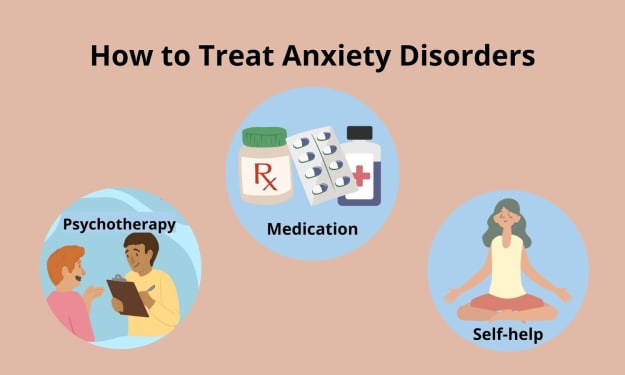
How can psychologists help people with anxiety disorders?
Anxiety disorders are among the most common mental illnesses across the world, affecting millions of individuals of all ages. Anxiety disorders comprise a range of conditions, including generalized anxiety disorder (GAD), panic disorder, social anxiety disorder, specific phobias, and obsessive-compulsive disorder (OCD). Anxiety disorders entail excessive fear, worry, or anxiety that interferes with daily life and functioning. While anxiety is a normal, adaptive response to stress, when it is excessive, disproportional, or uncontrollable, it can significantly compromise quality of life. Psychologists play a crucial role in helping individuals decipher, cope with, and overcome anxiety through evidence-based therapies, compassionate counseling, and individualized strategies for long-term improvement.
By Naveen Garg4 months ago in Education
Hosting a Book Fair
How many of you remember the “best week ever!” from when you were a child? Book fairs were the staple of many of our childhoods with Scholastic leading the way. While there are many choices for book fairs today and I absolutely want to talk about them, that’s going to be a later article.
By Reb Kreyling3 days ago in Education
Nurturing Young Minds: How Creative Exploration and Scientific Understanding Shape Child Development
Child development is a multifaceted process that influences how children think, feel, learn, and interact with the world. For decades, science has provided valuable insights into developmental stages, brain growth, and learning patterns. At the same time, creativity has played an equally important role in helping children express themselves, solve problems, and develop emotional resilience. When creativity and science are blended intentionally, they form a robust foundation for healthy, well-rounded child development.
By Marissa Haugh7 days ago in Education
Wild Card Weekend Recap: What Happens Now?
I think I figured out why I love Wild Card Weekend so much. It's because it's the first playoff anything of the calendar year. The NFL season starts in the fall, and once upon a time, the champion was crowned either on or slightly before New Year's. The evolution of the NFL schedule has resulted in the playoffs starting just into the New Year, and currently, the final week of the season falls on the first weekend of the New Year, with Wild Card Weekend coming a week after that. So yes, chronologically, the NFL's Wild Card Weekend serves as the first playoff anything of the calendar year.
By Clyde E. Dawkins2 days ago in Unbalanced



Comments
There are no comments for this story
Be the first to respond and start the conversation.