
How Do Web Hosting Services Work | Web Hosting Guide for Beginners
Confused about which of the web hosting services to seek for your business website? Fret not, and upskill yourself with this web hosting guide for beginners.
No matter how small or large your business is, it's inevitable that you have a website. This will allow you to be online and make your mark in the digital age. Web hosting is preferred by many businesses today because it offers fast website loading speeds and secure and reliable file storage. You may be a beginner to business websites and have many questions. We have created this web hosting guide for beginners, to help you understand web hosting services.
What's Web Hosting?
Web hosting is a service that hosts websites on behalf of its clients. It allows them to create and maintain a website so it can be accessible to internet users.
It provides storage space to support the smooth operation of an application or website on an internet server. It acts as a digital repository to store website data resources. These data can include website codes, images and videos, as well as texts.
How does web hosting work? The Step-by-Step Process of Web Hosting
For those who are embarking on an online journey, a website is the best option. It acts as an interface between the business and its customers or target audience.
When creating a website, there are several steps that must be coordinated.
Registering a domain name (or name) for your site. Domains can be purchased through domain name registrars such as domain.com, Bluehost and HostGator.
Nameservers (DNS) are registered to point website visitors to the designated IP address.
Choose Web Hosting for Your Website.
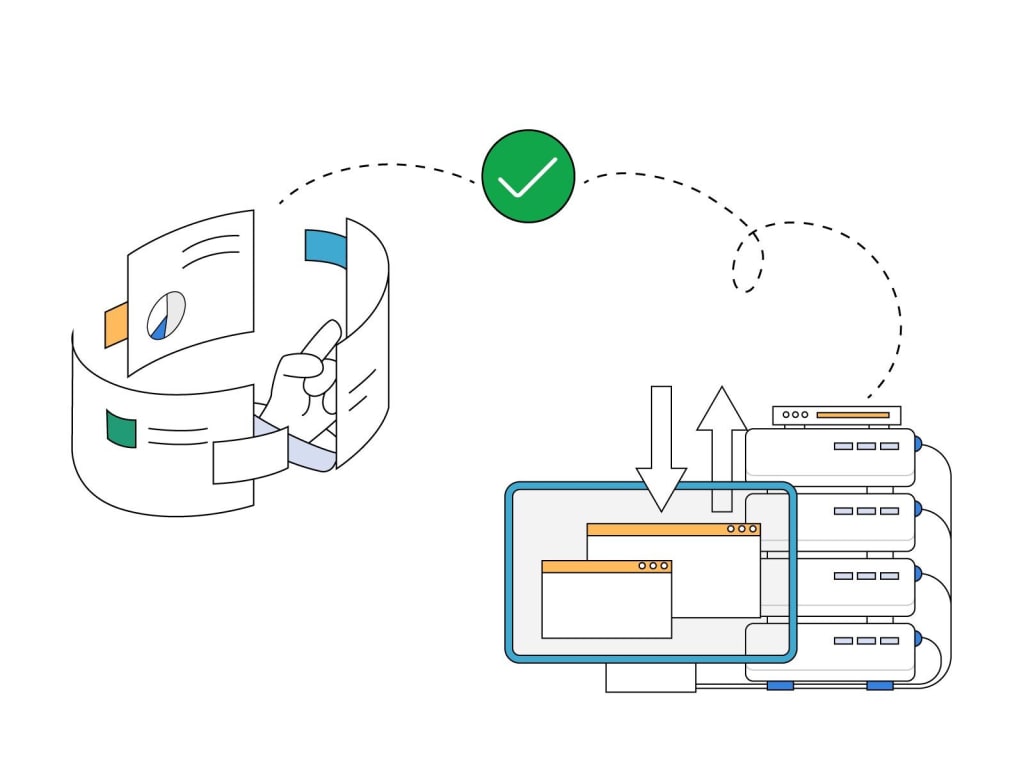
Web hosting services provide safe and secure storage space. How does web hosting work? Hosting is when files and data are uploaded from a local computer to a web server. A server that provides website hosting services is either a physical computer, or cloud software that works optimally to make the client’s site accessible to all internet users.
After the website data has been transferred to the host, the website visitor can access it by simply entering the domain name or web address into a web browser. The computer or browser then connects to the server where the website is located. The server sends the files to the storage on the hosting server storage and the data is displayed on the screen. This process is made possible by modern internet technology in a matter of seconds. Let's now talk about whether you should invest in web hosting.
Why Should You Invest In Web Hosting Services?
Hosting a website might be something you consider. Although you can do it, this requires technical knowledge to manage the hosting. It is difficult to set up and configure a web server capable of handling continuous and ongoing maintenance. This includes many aspects such as acquiring and maintaining hardware and software, and managing infrastructure.
Hosting a website is easy and affordable when you work with a web host company. They use advanced technology to protect your data. This eliminates the need to check every now and again and allows you to focus on configuring and maintaining your data. This gives you plenty of time to spend on the tasks that need your manual intervention. Professional services simplify the most complicated aspects of web hosting and website creation, including software installation and technical support.
What Are the Different Types Of Web Hosting Services?
We have already discussed the importance and benefits of web hosting. Let's now look at different types of webhosting. Your needs and use will determine which type of web hosting is best for you.
1. Hosting shared
This is the most popular option, and it is ideal for small businesses or blogs. It's affordable, making it ideal for those with limited budgets. It is important to remember that other websites share server space and resources, which can cause slowdowns.
2. Virtual Private Server (VPS Hosting)
This hosting is very similar to shared hosting, except that you can store your files in a dedicated space and have access to specific resources. Although it is more expensive than shared hosting, it offers a lower risk of data leakage and sharing.
3. Hosting dedicated to your needs
Dedicated hosting allows you to have full root access and can be configured to assign a server for each client website. This type of web hosting allows you to customize the server and make it work according to your requirements.
4. Cloud Hosting
Cloud hosting allows multiple virtual servers to be made available for websites. Cloud hosting has the advantage of multiple virtual servers being available to host websites. If one server is overwhelmed with traffic, the other servers will be there to help. Although it's slightly more expensive than other hosting websites, it dramatically reduces downtime and hardware failures and allows for scaling.
5. WordPress Hosting
This hosting type is specifically designed for WordPress-optimized servers. It speeds up the loading of websites. This hosting reduces the possibility of website or server problems. This hosting is affordable, but it is not recommended for non-WordPress websites.
6. Managed Hosting
This web hosting allows the provider to manage the day-today maintenance tasks such as software updates, backups, security monitoring, and security monitoring. FTP is the best way to manage your content. File Transfer Protocol.
How do you choose a web hosting service provider?
There are many options for hosting providers, so it is important to compare the different offerings and find the right fit for you. Among many factors, these are some of the things you need to consider when embarking on your web-hosting search.
You can choose which type of website you want to host (e-commerce portal or blog, news site, etc.).
Targeted website traffic
Storage space
Bandwidth
You can exercise control over the data you want
Investment, i.e. How much do you want to pay for hosting services?
Consider the following tips to help you choose the best web hosting service .
1. Web Hosting's Uptime (Reliability).
Unexpected downtime is the worst thing for your website. It is important to select a host who will commit to keeping their systems up.
Simply put, "uptime" refers to how long a website is online for users. This being said, you should choose a web host that provides uptime greater than 99%.
2. Online Testimonials and Reviews
Online reviews and testimonials are a great way to evaluate the reputation of web hosting companies and to see how their servers perform. Reviews and testimonials from past clients will help you decide if a particular web host is right for you.
3. Support available 24 hours a day
Web hosting involves many technicalities. Clients may have urgent questions. Always choose a web hosting provider that offers 24/7 customer support and reliable technical assistance in the event of unexpected crashes, lags or security breaches.
4. Similar Products and Additional Services
Many hosting companies offer add-on services such as Secure Socket Layer, SSL Certificate, custom email addresses, or additional storage for a fraction of the cost. When choosing a web host to use, make sure that they are the most cost-effective option among all options.
5. Security and Backup Services
It is well-known that data is the engine of the internet. Therefore, it is vital to keep its confidentiality. Where security is not compromised, web hosting services should always be used. You should also ensure that the host offers a backup system and information redundancy.
6. Upgrade Options
You may need additional resources and storage space as you grow your business. It is wise to be able to estimate upfront the cost of accessing these extra features from the same web host service provider.
7. Control Panel
Clients can manage their website and data through the control panel. A web host that has an intuitive user interface is the best choice. This allows clients to easily navigate through the panel. You should also consider whether the web host will allow you to access the control panel from your mobile device. This will make it easy for you to manage everything anywhere, anytime.
In Conclusion
It is clear from the above discussion that selecting a hosting account is the first step in establishing your online presence. This is also the key factor that will determine your success or failure.
You have many options when it comes to choosing the right hosting account for you website. Use the Web Hosting Guide to compare and contrast all web hosting services. Keep your business requirements in mind and choose the best option for you.
About the Creator
Keep reading
More stories from Milan Saha and writers in Education and other communities.
How to Use LinkedIn for Lead Generation
Are you using LinkedIn for the right purposes? It is time to reconsider whether LinkedIn is serving the right purpose. LinkedIn offers many opportunities that will benefit your business, beyond providing employment. Many businesses are run by referrals or networks. It is essential to build connections in order to be able to survive in the market.
By Milan Saha3 years ago in Education
Why Is the Sky Blue?
What Color Is Sunlight? To understand why the sky is blue, we must start with sunlight. Although sunlight looks white to our eyes, it is actually a mixture of many colors. When passed through a prism, sunlight spreads out into a rainbow of colors: red, orange, yellow, green, blue, indigo, and violet.
By shahkar jalala day ago in Education
5 Essential Tools You Need to Work Remotely
Remote work has moved from being a perk to a permanent way of working for millions of professionals worldwide. While working from home or anywhere with an internet connection offers flexibility and freedom, success in a remote environment depends heavily on the tools you use.
By Bahati Mulishiabout 18 hours ago in Education



Comments
There are no comments for this story
Be the first to respond and start the conversation.