
How do psychologists help adults in controlling anxiety and finding emotional balance in their daily life?
Psychologists help adults
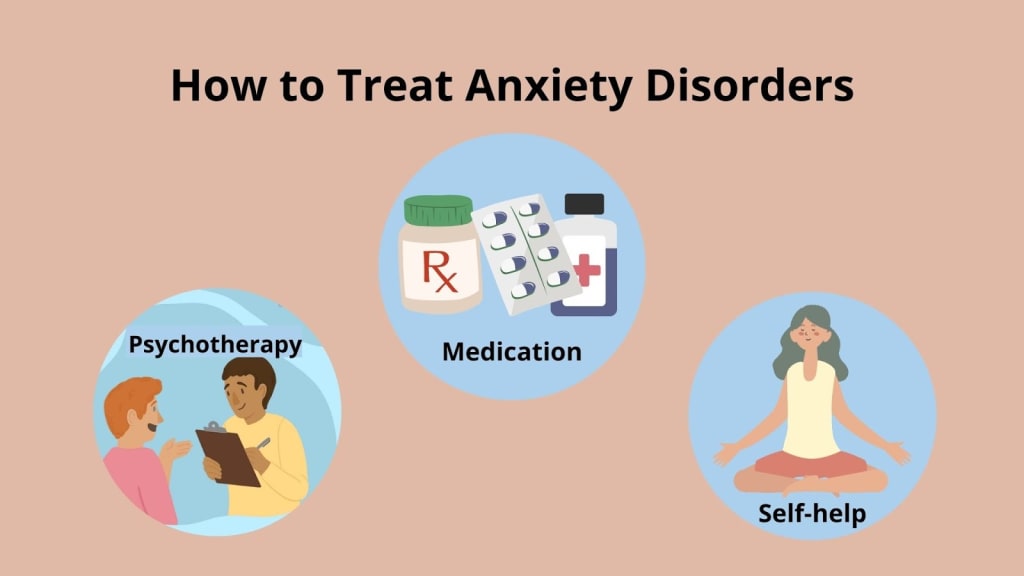
Anxiety is a universal emotional experience, characterized by feelings of worry, nervousness, or fear about future situations or uncertain results. While occasional anxiety is a normal part of living and may even serve as an incentive for action, its chronic nature can considerably interfere with daily functioning, relationships, and overall quality of life. Adults tend to encounter numerous stressors—e.g., job stresses, family responsibilities, financial problems, and social expectations—that can lead to mounting anxiety. Psychologists play a vital role in helping adults recognize, deal with, and reduce anxiety and improve emotional balance and resilience.
Understanding Anxiety and Its Effects
Anxiety is psychological and physical in nature. Psychologically, it can manifest as excessive worry, racing thoughts, indecisiveness, irritability, or a sense of impending doom. Physically, it can cause rapid heartbeat, muscle tension, fatigue, shortness of breath, gastrointestinal issues, and sleep disturbances. Chronic anxiety not only decreases quality of life but also increases the risk for developing depression, substance abuse disorders, and other stress-related illnesses.
In daily life, anxiety may affect decision-making, relationships, and performance at work or school. Adults may get trapped in a cycle of worry and avoidance, which can compound stress and reduce overall quality of life. Understanding these effects is the first step to effective intervention, and psychologists provide this vital information.
Approaches Psychologists Use to Help Adults Manage Anxiety
1. Cognitive-Behavioral Therapy (CBT)
CBT is one of the most empirically validated treatments for anxiety. Psychologists help individuals identify negative thought patterns—e.g., catastrophizing, overgeneralizing, or excessive self-blame—that feed anxiety. CBT helps adults reinterpret such thoughts, challenge irrational assumptions, and learn more balanced thinking styles. CBT also has behavioral elements, with clients being asked to gradually expose themselves to feared situations, reducing avoidance behaviors that perpetuate anxiety.
2. Mindfulness and Relaxation Techniques
Relaxation skills and mindfulness techniques are very useful in the management of anxiety. Psychologists teach people skills such as deep breathing, progressive muscle relaxation, guided imagery, and meditation. These skills help adults remain in the moment, reduce physiological responses to stress, and cultivate a sense of calm. Mindfulness also enhances self-awareness, enabling individuals to notice the early signs of anxiety and take early intervention.
3. Exposure Therapy
For individuals with phobias or severe anxiety, exposure therapy is usually utilized. The treatment involves gradually and systematically exposing fear-producing situations in a safe and controlled environment. Repeated exposure over time disempowers the fear response, allowing adults to engage more in life without avoidance.
4. Acceptance and Commitment Therapy (ACT)
ACT gets adults to accept the reality that anxiety is present rather than fighting or suppressing it. Psychologists invite clients to embrace painful emotions and thoughts and commit to acting in ways aligned with their personal values. This way, there is less fighting with anxiety and more engaged, valued living.
5. Developing Emotional Regulation Skills
Anxiety typically triggers daunting emotions that could disrupt daily life. Psychologists teach emotional regulation techniques to help adults recognize, understand, and manage their emotional responses. Some of the techniques include journaling, cognitive restructuring, mindfulness, and grounding. With improved emotional regulation, adults can respond to stress better and maintain balance in their work and personal lives.
6. Lifestyle Interventions
Psychologists also typically provide guidance on lifestyle habits that encourage anxiety lessening. Physical activity, nutrition, adequate sleep, and reduced caffeine or alcohol consumption can go a long way in reducing the anxiety symptoms. A regular routine, engaging in hobbies, and building social connections also enhance mental well-being.
7. Building Resilience
Resilience is the ability to adjust and recover from stress. Psychologists help adults develop resilience by strengthening skills, problem-solving methods, and promoting personal strengths. People with resilience are better able to handle anxiety, deal with setbacks, and maintain emotional stability in the face of adversity.
8. Treating Co-occurring Conditions
Chronic anxiety may also be present with depression, substance use, or other mental problems. Psychologists provide holistic care that ensures all causative elements are addressed. It enhances treatment result and preserves overall emotional well-being.
9. Developing Social Support
Healthy relationships protect against anxiety. Psychologists help adults learn to communicate well, resolve conflicts, and develop quality relationships. Emotional support from family, friends, or support groups reduces loneliness and results in emotional stability.
Easy Steps Adults Can Take Each Day
Psychologists often recommend easy daily strategies to complement treatment, such as:
Practicing mindfulness 10–20 minutes daily
Taking breaks so as not to feel overwhelmed
Using journaling to identify triggers and track progress
Setting realistic objectives to reduce pressure
Engaging in regular physical activity, such as walking, yoga, or swimming
Limiting the usage of digital stressors, such as too much social media
By incorporating these techniques into daily routines, adults can maintain emotional balance and reduce the impact of anxiety over time.
The Need to Seek Professional Help
While self-help measures are helpful, professional help is typically necessary for severe or chronic anxiety. Psychologists provide a structured, supportive environment to discuss feelings, acquire coping skills, and implement effective interventions. Early intervention keeps anxiety from snowballing and guarantees quality of life and mental well-being in the long term.
Conclusion
Anxiety is a natural but manageable aspect of adult life. Psychologists assist people in coping with anxiety by using therapeutic interventions, coping mechanisms, emotional management, and resilience building. Their services make adults capable of handling challenges in life, maintaining emotional balance, and forming better mental health overall.
For intervention and professional resources, visit:
About the Creator
Keep reading
More stories from Naveen Garg and writers in Education and other communities.
What is the psychologist's role in ensuring people cope with stress well in the current hectic world?
In the current world, stress is nearly inevitable. From work requirements, financial issues, relationship problems, to the never-ending online stimulation from our phones and social media, individuals are usually besieged by the speed of life. While occasional stress sometimes pushes us to act, uncontrolled or chronic stress has devastating consequences for physical and psychological health. Psychologists play a crucial role in educating people on the characteristics of stress, its origins, and how to manage healthily so that they can lead a balanced and productive life.
By Naveen Garg4 months ago in Education
Historical Background of Panasonic Avionics Corporation
From my research, Panasonic Avionics Corporation was originally founded in 1979 under the name Matsushita Avionics Systems Corporation. Over the decades, the company evolved alongside commercial aviation, aligning its products with aircraft cabin modernization and passenger comfort.
By Beckett Dowhanabout 21 hours ago in Education



Comments
There are no comments for this story
Be the first to respond and start the conversation.