
How Different Cultures Celebrate Victory and Handle Defeat
Sports and Nationalities

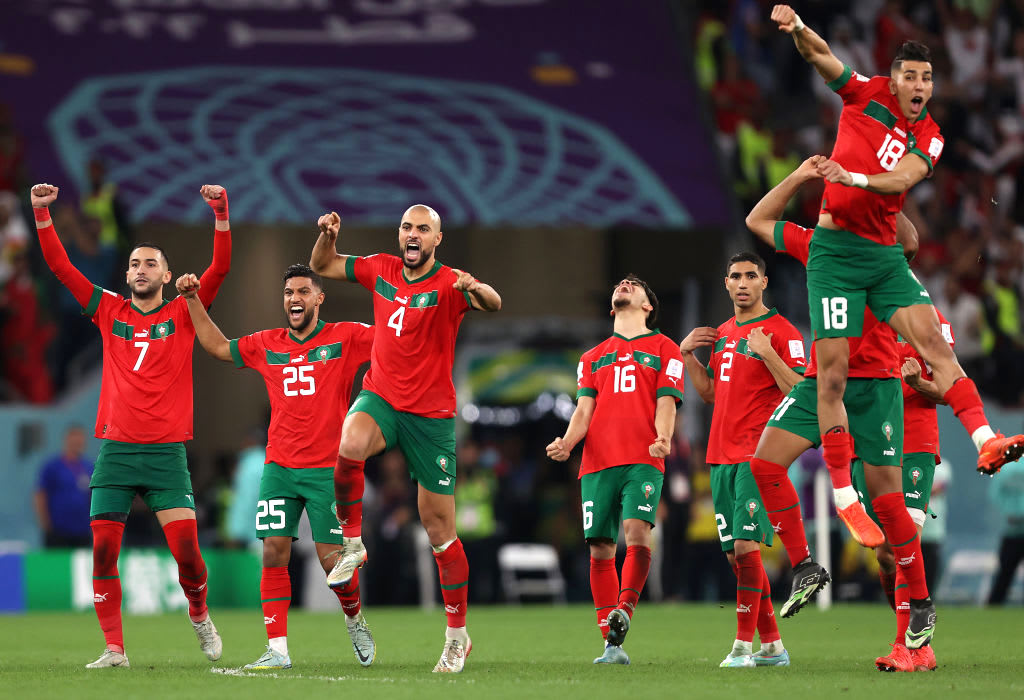
Victory and defeat are universal experiences. Every culture celebrates triumphs and faces losses—but how people respond to these moments reveals deep values about pride, humility, and resilience. From the loud parades of South America to the quiet bows of Japan, the ways people react to winning or losing are shaped by history, belief, and community. Understanding these responses helps us see that competition isn’t just about outcomes—it’s about identity, connection, and meaning.
The Joy of Collective Victory
In many cultures, winning isn’t an individual moment—it’s shared. Latin American countries, for example, turn sports victories into national events. When a soccer team wins, streets fill with dancing, music, and fireworks. It’s not only about the athletes but about what the victory symbolizes: unity, pride, and hope.
In Africa, celebrations often blend song, dance, and storytelling. Victories—whether in sports, politics, or local achievements—are woven into the cultural fabric through rhythm and communal joy. These moments are as much about strengthening social bonds as they are about success itself.
In contrast, Western cultures tend to highlight personal achievement. Trophy ceremonies, medals, and awards focus on the individual or the team, emphasizing excellence, hard work, and merit. Yet even here, victory often becomes collective—fans celebrate, cities hold parades, and national pride swells.
Across cultures, the common thread is this: joy multiplies when it’s shared. Winning feels fuller when it belongs to everyone.
Humility in Triumph
How people celebrate also reveals cultural values around modesty and humility. In Japan, victory is often accompanied by restraint. Athletes bow to their opponents, showing respect even in triumph. Boasting or gloating is discouraged—it disrupts harmony and diminishes the dignity of competition.
In Scandinavian countries, a similar mindset exists. Success is appreciated quietly, in keeping with the “Law of Jante,” a cultural concept discouraging arrogance. The idea is that achievements should speak for themselves, not through self-promotion.
Meanwhile, in the United States or Australia, celebrating openly is seen as confidence, not arrogance. Expressing joy and pride is part of the culture’s openness and optimism. These differences don’t make one approach better than the other—they simply show how cultures balance pride with humility in distinct ways.
Learning from Defeat
Defeat, too, carries cultural meaning. In some places, losing is seen as a chance for personal growth. The Japanese concept of gaman—enduring hardship with patience and dignity—shapes how people handle disappointment. Athletes bow even in defeat, acknowledging effort and respecting the outcome.
In many Western countries, defeat fuels motivation. “Bounce back” culture encourages learning from mistakes, trying again, and proving resilience. It’s rooted in the belief that failure isn’t final—it’s part of progress.
In collectivist cultures, however, losing may affect more than the individual. A loss can feel communal, touching the pride of a group, family, or nation. This can make defeat heavier but also deepen the sense of shared support. People rally around each other, turning disappointment into solidarity.
Even mourning a loss can become a social ritual—an expression of belonging rather than isolation.
The Role of Ritual and Symbol
Both victory and defeat are often expressed through ritual. Rituals give emotion structure—they allow people to channel intense feelings into meaning.
In Europe and Latin America, rituals of victory are loud and public. Singing an anthem, waving flags, or parading through streets turns emotion into celebration. It’s a way to say, “We did this together.”
In contrast, in many Asian cultures, rituals surrounding competition are quieter and symbolic. Before and after matches, bowing or exchanging gifts shows respect, grounding the event in mutual honor. Victory is celebrated, but the emphasis remains on sportsmanship and balance.
Religious and spiritual traditions also shape these moments. In some Middle Eastern and South Asian countries, winners may offer prayers of gratitude or share food with others, blending joy with humility. Even defeat can be marked spiritually—seeking lessons, forgiveness, or inner peace through prayer or reflection.
The Emotional Language of Winning and Losing
Emotions surrounding victory and defeat are universal, but how people express them varies widely across cultures. In some places, triumph erupts into sound and motion. In others, it is contained behind calm faces and measured gestures. These differences don’t make one culture more passionate or another more reserved—they reveal how societies teach people to manage emotion, pride, and disappointment.
In southern Europe, Latin America, and much of Africa, emotion is often worn openly. When a team wins, fans sing, dance, and cry together. Streets become living celebrations of identity. The same openness appears in defeat—tears, frustration, and even public mourning are part of the experience. Expressing emotion this way reinforces community bonds. It says, we feel together, no matter the outcome. This emotional honesty is not seen as weakness but as shared humanity.
In contrast, East Asian and Northern European cultures often value emotional control. Winning is acknowledged with gratitude and humility, while losing is accepted with quiet composure. Public displays of emotion may be viewed as disrespectful or disruptive. In Japan, for example, athletes bow after competition regardless of result, showing balance and respect. In Scandinavian countries, calmness reflects equality—victory is enjoyed, but not flaunted.
These differences stem from deeper cultural beliefs. Societies that emphasize individual expression often encourage open emotional release; those that prioritize harmony and social order teach restraint. Neither approach is inherently better. The expressive cultures remind us to connect through feeling; the restrained ones remind us to honor dignity and composure.
Modern globalization has begun to blur these lines. Social media allows emotional expression across borders—players cry, laugh, and celebrate for audiences worldwide. Yet even then, cultural undertones persist. A passionate outburst from one athlete may be celebrated in one country and criticized in another.
Ultimately, the emotional language of winning and losing reveals how people define strength. For some, it’s in the roar of a crowd; for others, it’s in silent endurance. Both express the same truth: emotion gives meaning to competition. Victory and defeat are fleeting, but the feelings they stir—joy, pride, disappointment, resilience—are what make sport and achievement deeply human.
When Victory Becomes Healing
Sometimes a win is more than a score. It can mend breaks in community life. A shared victory can lift spirits, rebuild trust, and give people a reason to look forward.
Sport often shows this clearly. When a national team wins after years of struggle, people who once argued find a moment of joy together. Streets fill with celebration. For a little while, old divisions feel smaller. That was true in South Africa in 1995. The rugby victory helped some people imagine a united future.
Healing is more than cheering. It opens space for new stories. Leaders use the moment to call for unity. Families and neighbors meet, and conversations happen that might not have before. Victories can shift the tone of public life. Hope grows where it had been thin.
But healing from a win is fragile. If the victory masks ongoing injustice or ignores pain, the boost fades quickly. Celebration must be followed by real steps—policy, dialogue, and economic support—to turn emotion into lasting change. Otherwise the moment becomes only a memory.
Victories also create shared symbols. An anthem, a trophy, a parade—these become touchstones people recall in hard times. They remind communities of a time they stood together. Symbols help sustain the mood beyond the final whistle.
Long-term healing requires follow-through: investment in communities, inclusive representation, and honest dialogue that addresses past wrongs. Sport can catalyze these conversations, but leaders and citizens must use the momentum to fund programs, reform institutions, and create spaces where wounds can be acknowledged and repaired. Change must follow celebration, too.
In short, when victory becomes healing it brings people together, creates hope, and can open a path to real work. A game cannot fix everything, but it can start a conversation that leads to repair.
What We Learn from Cultural Differences
Looking across the world, it becomes clear that victory and defeat reveal what societies value most. Some prize humility, others passion. Some see defeat as shame, others as learning. The responses may differ, but the human emotions behind them—joy, disappointment, pride, hope—are universal.
What stands out is the way culture shapes the story we tell ourselves about success and failure. Do we see them as personal or collective? Temporary or defining? These questions influence how people grow from experience.
When we understand how others celebrate and recover, we broaden our empathy. We see that there’s no single “right” way to win or lose—only ways that reflect who we are and what we believe.
Conclusion: The Humanity in Competition
Victory and defeat may seem opposite, but they are both moments of truth. They show how people handle emotion, relate to others, and express identity. Whether celebrated with fireworks or silence, what matters most is not the result itself but the meaning each culture gives it.
Learning how others celebrate winning and face losing reminds us that competition, at its best, is about connection. It’s about pride that brings people together, humility that keeps us grounded, and the resilience that keeps every culture moving forward—one triumph, one lesson, and one shared experience at a time.
About the Creator
Gus Woltmann
Hi everyone, nice to meet you all! I am Gus Woltmann, sports journalist from Toronto.
Keep reading
More stories from Gus Woltmann and writers in Education and other communities.
Why Cricket Is Far More Than Sport in South Asia
In South Asia, cricket is far more than just a sport—it is a cultural phenomenon that transcends boundaries of class, language, and even politics. Across India, Pakistan, Bangladesh, Sri Lanka, and Nepal, cricket unites millions under a shared passion, often described as nothing less than a religion. But why does this game hold such extraordinary power in the region?
By Gus Woltmann6 months ago in Education
The Overlooked Consequences of Weak Healthcare Program Planning
Healthcare programs are created to expand access to care, improve patient outcomes, and strengthen public health systems. Governments, hospitals, nonprofits, and health organizations invest significant resources into developing programs that address disease prevention, treatment, and community wellness. When these initiatives are carefully planned and strategically executed, they can transform healthcare delivery and improve the quality of life for entire populations.
By Evyatar Nitzany3 days ago in Education
Strategy Before Software: Why Content Strategy Matters More Than Platform Technology
A strong content strategy matters more than platform technology because strategy shapes every choice a team makes. It guides tone, purpose, structure, and audience focus. Technology can help with speed and reach, but it cannot replace direction. A tool only works well when someone uses it with a clear plan. Without a strategy, even the best systems fail to connect with real people.
By James Kaminsky3 days ago in Education


Comments
There are no comments for this story
Be the first to respond and start the conversation.