
How Can We Reduce the Aging of Our Brain?
Science-Backed Strategies to Keep Your Mind Sharp at Any Age

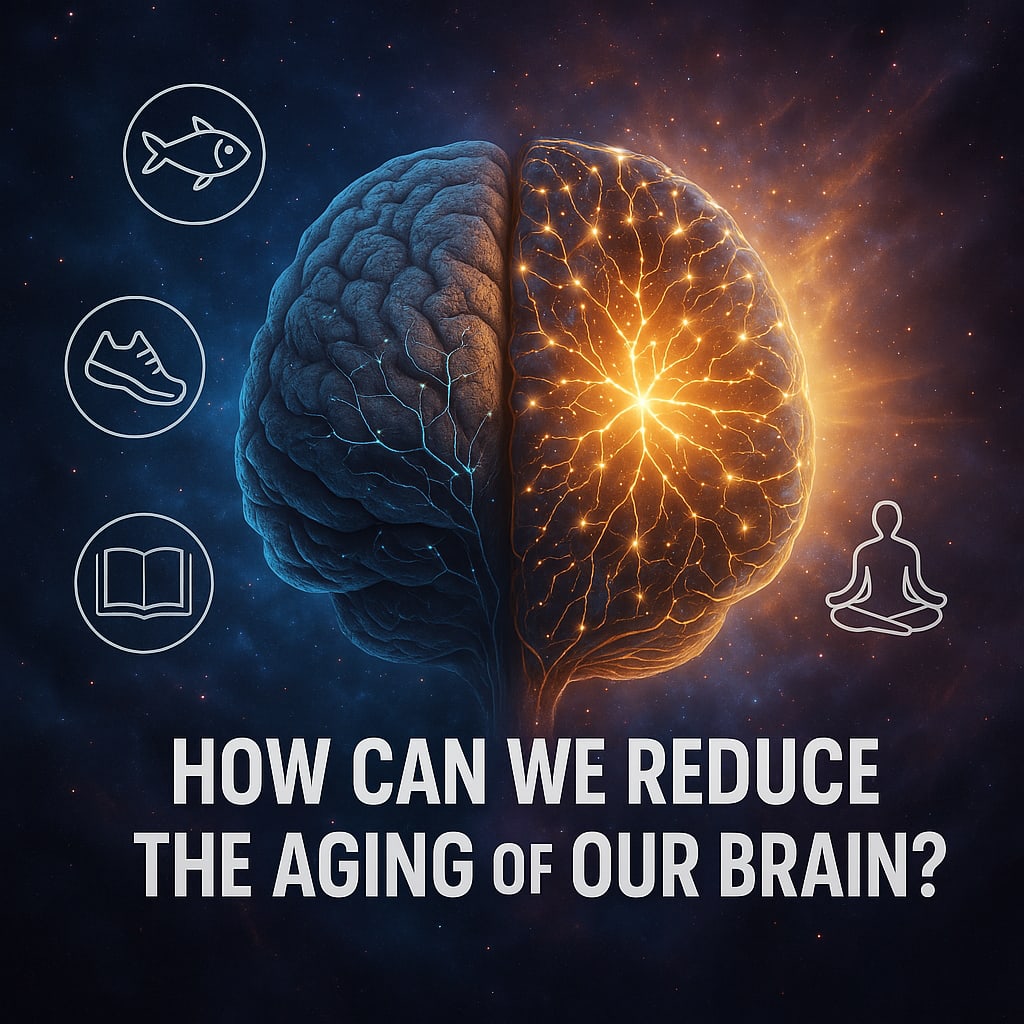
Introduction: The Ageless Mind
Imagine your brain as a high-performance engine. With proper care, it can run smoothly for decades, but neglect can lead to wear and tear. As we age, cognitive decline—memory lapses, slower thinking, and difficulty learning new things—can become a concern. But what if you could slow down, or even reverse, brain aging?
Science reveals that our lifestyle choices play a huge role in maintaining brain health. From diet to mental exercises, let’s explore proven strategies to keep your mind sharp and youthful.
1. Feed Your Brain the Right Fuel
Just as a car needs premium fuel, your brain thrives on the right nutrients. Research shows that certain foods enhance cognitive function and protect against age-related decline.
Brain-Boosting Foods:
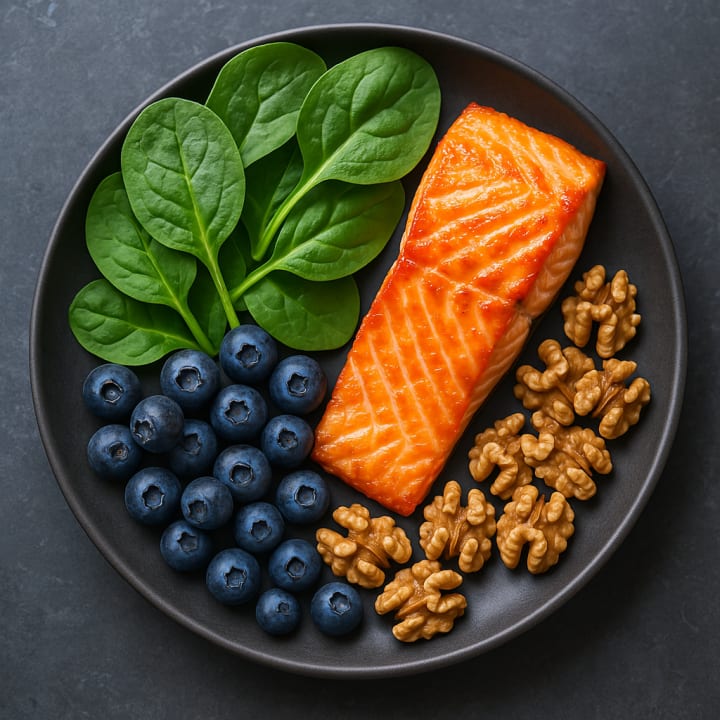
Fatty Fish (Omega-3s): Salmon, sardines, and mackerel support memory and reduce inflammation.
Berries (Antioxidants): Blueberries and strawberries fight oxidative stress, a key factor in brain aging.
Nuts & Seeds (Vitamin E): Almonds, walnuts, and flaxseeds protect neurons from damage.
Leafy Greens (Folate & Vitamin K): Spinach and kale improve cognitive function.
Did You Know?
The Mediterranean diet, rich in healthy fats and antioxidants, is linked to a 20% lower risk of cognitive decline.
2. Exercise: The Ultimate Brain Tonic
Physical activity doesn’t just sculpt your body—it reshapes your brain. Studies show that regular exercise increases blood flow, stimulates new neuron growth, and even enlarges the hippocampus (the memory center).
Best Exercises for Brain Health:
Aerobic Workouts (Running, Swimming): Boost oxygen supply to the brain.
Strength Training: Enhances executive function.
Yoga & Tai Chi: Reduce stress, which accelerates brain aging.

Pro Tip: Just 30 minutes of brisk walking, five times a week, can cut dementia risk by 40%.
3. Challenge Your Mind Daily
A brain that stops learning starts declining. Engaging in mentally stimulating activities builds cognitive reserve, helping your brain resist damage.
Ways to Keep Your Brain Active:
Learn a New Skill (Language, Instrument): Forces neural plasticity.
Puzzles & Strategy Games (Chess, Sudoku): Strengthen problem-solving skills.
Reading & Writing: Enhances memory and analytical thinking.

Fun Fact: Bilingual individuals develop Alzheimer’s symptoms 5 years later than monolinguals.
4. Sleep: The Brain’s Nightly Detox
While you sleep, your brain flushes out toxins, consolidates memories, and repairs cells. Poor sleep accelerates brain aging and increases Alzheimer’s risk.
Tips for Better Sleep:
Stick to a consistent sleep schedule.
Avoid screens 1 hour before bed (blue light disrupts melatonin).
Keep your bedroom cool and dark.
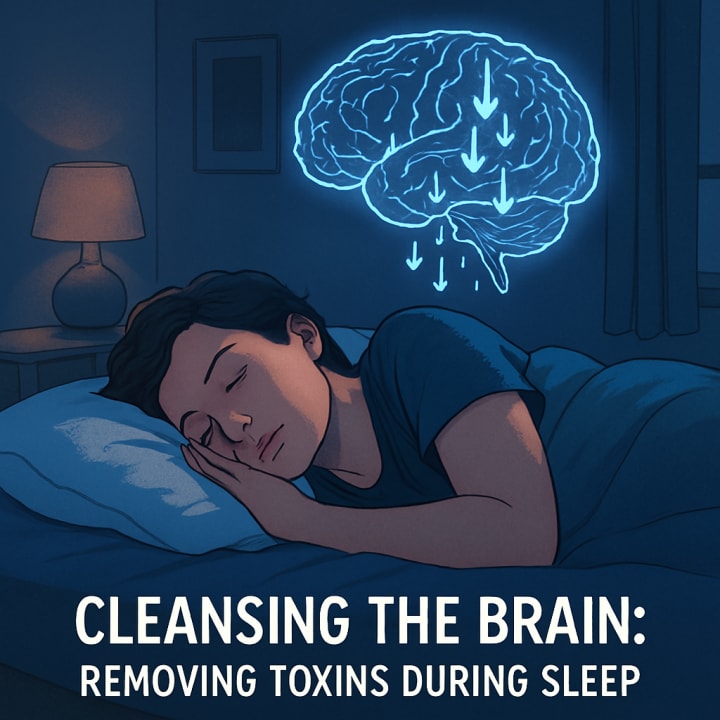
Shocking Stat: Just one night of poor sleep increases beta-amyloid (Alzheimer’s-linked protein) by 5%.
5. Social Connections: The Hidden Brain Protector
Loneliness ages the brain faster than smoking. Meaningful social interactions reduce stress, boost mood, and improve cognitive resilience.
How to Stay Socially Active:
Join clubs or volunteer.
Maintain close friendships.
Engage in deep conversations.

Science Says: People with strong social ties have a 50% lower risk of dementia.
6. Stress Management: Calm Mind, Youthful Brain
Chronic stress shrinks the hippocampus and impairs memory. Managing stress is crucial for long-term brain health.
Stress-Busting Techniques:
Meditation & Deep Breathing: Lowers cortisol levels.
Nature Walks: Reduces anxiety and enhances creativity.
Journaling: Helps process emotions.

Quick Fact: Just 10 minutes of daily meditation improves focus and slows brain aging.
Conclusion: Your Brain’s Best Years Are Ahead
Aging is inevitable, but cognitive decline isn’t. By nourishing your brain, staying active, learning continuously, sleeping well, connecting with others, and managing stress, you can keep your mind sharp well into your golden years.
Your Next Step: Pick one habit from this list and start today. Your future self will thank you!
About the Creator
Muhammad Hameedul Haq
2nd-year student & story writing enthusiast. I craft captivating tales, blending imagination & emotion to bring characters to life. Always exploring new ideas to create narratives that touch the heart. 📖✍️
Keep reading
More stories from Muhammad Hameedul Haq and writers in Education and other communities.
The Rise of Personalized AI Companions
In recent years, the rise of artificial intelligence has transformed how we live, work, and even feel. But in 2025, one trend is standing out from the rest — the rise of personalized AI companions. No longer just digital assistants or cold robotic tools, these companions are becoming deeply personal, emotionally intelligent, and surprisingly human-like. And they’re not just changing our devices — they’re changing us.
By Muhammad Hameedul Haq11 months ago in Education
Creating Strong and Adaptable Healthcare Teams
Healthcare environments demand constant focus, quick decisions, and consistent teamwork. Medical professionals work under pressure while managing patient care, administrative tasks, and evolving clinical practices. In such demanding conditions, organizations must focus on building strong healthcare teams that remain stable and effective even during challenging situations.
By Brady Beitlich3 days ago in Education
Physical Grit at Work: How Strength and Endurance Shape Lasting Career Success
Professional success often connects to skills, education, and experience. These qualities are important for career development and long-term achievement. However, another factor also supports strong professional growth over time. That factor is physical grit, which many successful professionals develop through discipline and consistent effort.
By Richard Ceffalio Jr.4 days ago in Education



Comments
There are no comments for this story
Be the first to respond and start the conversation.