
How can healing from past trauma improve your mental and emotional well-being?
Healing from past trauma
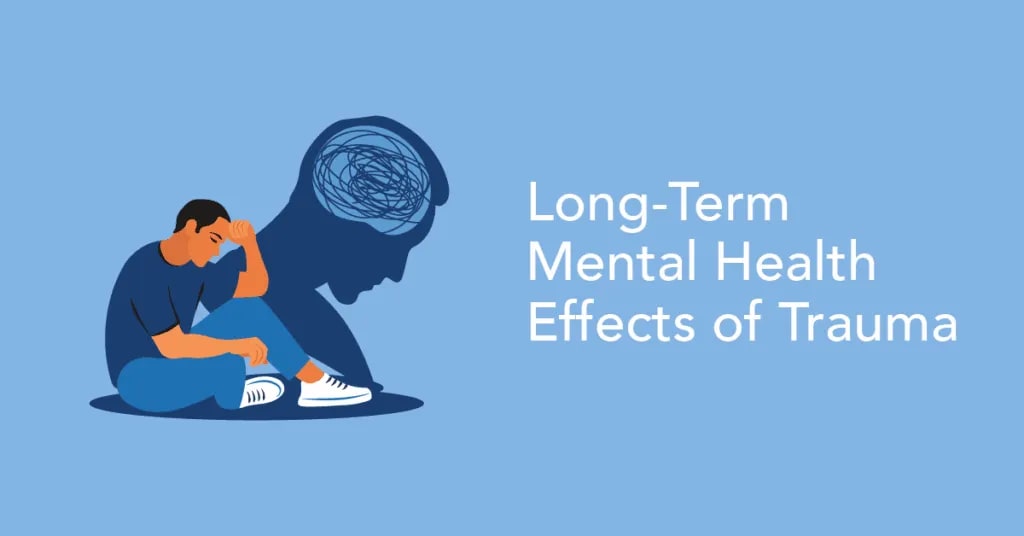
Healing from past trauma is one of the most important journeys a person can undertake. It is not quick or easy, but it can transform your whole experience of life. Trauma, whether from childhood, relationships, sudden loss, neglect, abuse, or any overwhelming event, leaves a mark on both mind and body. It doesn’t just fade with time, despite what people often say. Instead, it shapes how you view yourself, how you trust others, how you react to stress, and how safe you feel in the world.
When trauma remains unaddressed, it continues to affect your thoughts, emotions, and actions, often in ways you might not completely grasp. You may react vigorously to minor triggers, feel unsafe even in safe spaces, or struggle with self-worth, relationships, and boundaries. Healing doesn’t erase the past, but it changes the impact the past has on your present. That change can feel like reclaiming parts of yourself you thought were lost forever.
Trauma affects the nervous system, often keeping it in a heightened state of alert. You might feel constantly on edge, overly aware of your surroundings, or easily overwhelmed. This isn’t overreacting; it is your brain’s survival response attempting to protect you from familiar dangers. For some people, trauma leads to emotional numbness, dissociation, or a sense of disconnection from themselves. For others, it causes anxiety, depression, nightmares, flashbacks, irritability, or difficulties with trust. These reactions aren’t signs of weakness; they indicate that your mind and body are still carrying pain that was never processed safely.
The beauty of healing trauma lies in teaching the mind and body a new narrative, one where safety, calmness, trust, and joy are achievable again. Through therapy, self-awareness, and supportive relationships, individuals can begin to understand how their trauma shaped them and how they can gently release its hold.
One of the first steps in healing trauma is simply recognizing it. Many people downplay what they experienced, telling themselves things like, “Others had it worse,” “I should be over this by now,” or “That was a long time ago.” However, trauma isn’t weighed by the event’s size; it is measured by how deeply it impacted you. Allowing yourself to acknowledge your pain is a brave move toward reclaiming your emotional well-being.
Therapy creates a safe space to discuss experiences that may have felt too overwhelming to face alone. A trained therapist helps you understand your reactions, validate your feelings, and spot patterns developed as coping mechanisms. Recognizing these patterns can be empowering. You may see that your tendency to withdraw wasn’t coldness but self-protection. Your challenges with trusting others weren’t paranoia but a reasonable response to past betrayals. This change in perspective fosters self-compassion, which is essential for healing.
Healing from trauma can also help balance your nervous system. Techniques like grounding exercises, breathwork, and mindfulness teach your body how to return to a safe state when it enters panic or shutdown. Over time, your mind learns it no longer needs to stay in survival mode. Many describe this part of healing as finally being able to “breathe again” or experiencing a calmness they didn’t know was possible.
An especially transformative aspect of healing trauma is rebuilding trust—in yourself, in others, and in the world around you. Trauma often teaches that the world isn’t safe, that love is dangerous, or that vulnerability leads to harm. As you heal, those beliefs begin to soften. You start to recognize your strength, your ability to protect yourself, and your right to feel safe. Relationships improve because you act from clarity and self-respect rather than fear.
Another significant benefit of trauma healing is emotional freedom. When trauma takes up space in your mind, emotions often get tangled. Anger may conceal grief, sadness may hide fear, and love may trigger anxiety. Healing helps you separate these emotions and understand them on their own. You learn it’s okay to feel sadness without falling apart, or to feel anger without losing control. Over time, you become more resilient, calmer, and grounded.
Healing also naturally boosts self-esteem in lasting ways. Trauma may convince people they are unworthy, broken, or deeply flawed. These beliefs can penetrate the subconscious and influence every choice, relationship, and dream. Through healing, you begin to see that your trauma was something that happened to you, not what defines you. You learn to treat yourself with the same kindness you’ve always shown others. This self-compassion fosters confidence, clarity, and a renewed sense of identity.
Relationships change too, mostly for the better. When trauma controls your emotional state, you might find yourself drawn to unhealthy dynamics unknowingly. You may stay silent to keep peace, evade conflict from fear, or tolerate harmful behavior because it feels familiar. Healing helps you create healthier boundaries, communicate more openly, and choose relationships that support you rather than drain you. You learn to spot red flags sooner and trust your intuition more deeply.
Another profound benefit of trauma healing is the return of joy. Many who have lived with trauma for years see joy as something distant or unattainable. They may feel guilty for happiness or unable to relax fully. As healing unfolds, small moments of joy start to return—laughing without second-guessing, appreciating silence, enjoying connections, or feeling excitement for the future. This is not superficial happiness; it’s a quiet, steady contentment that emerges when your mind no longer feels trapped in old wounds.
Healing also brings a sense of empowerment. When trauma governs your decisions, life can feel chaotic or overwhelming. But understanding your triggers, reactions, and emotional needs helps you regain control. You start making choices based on your desires, not on fear. You build a life that reflects who you are now—not who trauma tried to make you.
The healing process isn’t straightforward. You may progress, then feel stalled, then advance again. This is normal and part of the journey. Every step matters. Each moment of self-awareness, every boundary you set, and every emotion you allow yourself to feel are all signs of growth.
Eventually, you may notice that your trauma no longer controls your daily life. The memories might still exist, but they no longer dominate you. You face challenges with resilience instead of fear. You communicate with confidence and trust yourself. You start feeling like your true self—someone capable of love, peace, and emotional freedom.
If you’re carrying trauma that feels heavy or unsettled, you don’t have to face it alone. Professional support can provide clarity, tools, and a safe emotional space as you rebuild yourself from within. Healing doesn’t erase the past, but it allows you to live a life where your history no longer dictates your present.
For compassionate trauma therapy and mental health support, visit:
About the Creator
Keep reading
More stories from Naveen Garg and writers in Education and other communities.
How can psychological therapy improve overall emotional well-being?
Talk therapy and psychotherapy, or psychological therapy, is a successful and evidence-based process that facilitates the discovery, understanding, and development of one's emotional well-being. Instead of treating mental sickness, it encourages self-knowledge, emotional balance, and dealing with life's challenges better with greater resiliency and confidence. Basically, therapy also promotes healing and personal growth, allowing people to live more fulfilling and meaningful lives.
By Naveen Garg3 months ago in Education
Image-to-text technology, also known as Optical Character
Image-to-text technology, also known as Optical Character Recognition (OCR), has transformed the way we interact with visual information. It allows machines to extract text from images, enabling various applications across multiple industries. From digitizing printed documents to reading text from scanned images, OCR plays a vital role in making printed content accessible, editable, and searchable. The need for such technology has grown exponentially with the increasing reliance on digital data and the rapid shift from physical to digital content in nearly all sectors of life. As the digital world continues to expand, image-to-text technology has paved the way for more seamless workflows, enabling businesses and individuals alike to save time, effort, and resources.
By Alexander Jackson7 days ago in Education
My New Book is Finally Here
My poetry collection Beautiful and Brutal Things is done. It's actually done and finally published over 270 pages. Over a year of my life went into this book. More than a year, really. Long days at my computer, sometimes seven days a week because I couldn't stop even when I probably should have. Then two months of editing that felt harder than the writing itself. But it's finished, and I'm still standing, and the book is real.
By Tim Carmichael2 days ago in BookClub



Comments
There are no comments for this story
Be the first to respond and start the conversation.