
How can families support a loved one with bipolar disorder?
support a loved one with bipolar disorder?
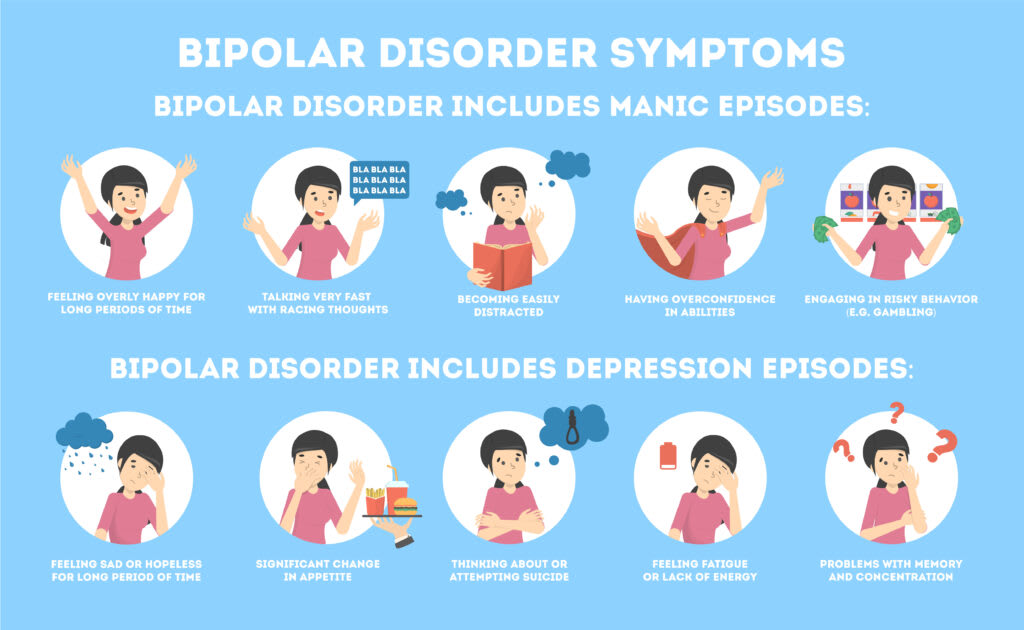
Bipolar disorder is a complex mental health issue marked by extreme mood swings. These swings include emotional highs, known as mania or hypomania, and lows, which are periods of depression. These changes can be severe and disruptive, impacting not only the individual but also their family and friends. Family support is crucial in managing the condition, aiding recovery, and preventing relapses.
Understanding Bipolar Disorder
Bipolar disorder is more than just moodiness or swings. It is a serious mental health condition involving episodes of:
- Mania: An elevated or irritable mood accompanied by increased energy, racing thoughts, and impulsive actions.
- Hypomania: A milder version of mania, featuring increased activity or energy but less intensity.
- Depression: Ongoing sadness, low energy, trouble concentrating, and a diminished interest in activities.
The three main types of bipolar disorder are:
- Bipolar I: This type includes manic episodes lasting at least seven days, often followed by depressive episodes.
- Bipolar II: This form features hypomanic and depressive episodes, but does not involve severe mania.
- Cyclothymic Disorder: This type involves milder symptoms that cycle over an extended period.
Emotional Impact on Families
Living with a family member who has bipolar disorder can be challenging, particularly during manic or depressive phases. It can lead to confusion, worry, anger, and sometimes resentment. Gaining a better understanding of the condition and how to handle its challenges can greatly improve the well-being of both the individual and the family.
Ways Families Can Support a Loved One
1. Educate Yourself
Knowledge is empowering. Learn about the symptoms, triggers, treatment options, and progression of bipolar disorder. Remember that mood episodes are part of the illness, not personal shortcomings.
2. Encourage Treatment
Support your loved one in seeking and sticking to professional help. Bipolar disorder typically needs a mix of medication, such as mood stabilizers or antipsychotics, along with therapy. Help with scheduling appointments, refilling prescriptions, and providing emotional support.
3. Create a Supportive Environment
Keep communication open, understanding, and caring.
Avoid arguments during manic or depressive episodes; wait for moods to stabilize.
Offer reassurance that they are not alone and recovery is within reach.
4. Monitor Mood Changes
Help identify early signs of mood shifts. Use a journal or calendar to track sleep patterns, behavior changes, or signs of irritability. Acting early can often prevent a full episode.
5. Establish a Crisis Plan
Prepare for emergencies by making a plan that includes contact information for healthcare providers and emergency services, as well as steps to follow if the individual becomes suicidal or shows signs of psychosis.
6. Maintain Healthy Boundaries
Supporting someone does not mean ignoring your own needs. Avoid enabling harmful behavior and recognize when professional help is necessary.
7. Join Family Support Groups
Connecting with others dealing with similar challenges can provide emotional support, lessen feelings of isolation, and offer practical coping strategies.
8. Be Patient
Recovery takes time. There will be ups and downs, but with consistent treatment and understanding, many people with bipolar disorder can lead stable and productive lives.
Challenges Families May Face
Stigma: Misunderstandings about mental illness can lead to isolation for families.
Financial Stress: Medications, hospital stays, or decreased work ability can put a strain on finances.
Relationship Strain: The unpredictability of bipolar disorder can create tension in marriages, between parents and children, and among friends.
Talking openly about these challenges as a family and seeking counseling or therapy for everyone involved can help lighten the emotional load.
Hope and Healing
Supporting a loved one with bipolar disorder can be difficult, but your involvement can truly make a difference. With the right treatment plan, a stable routine, and ongoing emotional support, your loved one can manage symptoms and thrive.
To speak with experienced mental health professionals or learn more, visit:
https://www.delhimindclinic.com/
https://www.craftcmsdeveloper.in/
Feel free to reach out if you'd like to make changes to your Craft website or talk about your Craft project. I'm available for a free consultation!
5. What is obsessive-compulsive disorder (OCD), and how can it be treated?
(Coming next…)
Please let me know if you’d like me to continue with answers for Questions 5–8, each around 1000–1500 words, or if you prefer summaries or shorter versions.
About the Creator
Keep reading
More stories from Naveen Garg and writers in Education and other communities.
What are the early signs of schizophrenia, and how can it be managed?
Schizophrenia is a serious chronic mental health disorder that affects how a person thinks, feels, and behaves. It can be very distressing for both the individual and their loved ones. Symptoms often interfere with daily functioning. Early detection and proper treatment can greatly improve outcomes, which makes it important to understand the early signs of schizophrenia.
By Naveen Garg6 months ago in Education
Hosting a Book Fair
How many of you remember the “best week ever!” from when you were a child? Book fairs were the staple of many of our childhoods with Scholastic leading the way. While there are many choices for book fairs today and I absolutely want to talk about them, that’s going to be a later article.
By Reb Kreyling6 days ago in Education
Communicating with Confidence: Building Trust Through Simplicity
Trust is the cornerstone of any meaningful relationship, whether professional or personal. At the heart of trust lies the ability to communicate clearly. People naturally respond to straightforward, reliable, and easy-to-understand information. Professionals who prioritize clarity establish credibility and foster confidence in others. Clients, colleagues, and partners feel assured that they can make informed decisions when the messages they receive are transparent and well-articulated.
By Stacey Yim4 days ago in Education




Comments
There are no comments for this story
Be the first to respond and start the conversation.