
How brain and hearing problems occur + beginner tips to stay sharp and sound.
read to learn more...


Your brain and hearing are closely connected. In fact, your ears don’t just pick up sound — your brain processes and understands it. That’s why problems in one area can often affect the other. Losing hearing can affect memory, and poor brain health can make it harder to focus or listen clearly.
In this guide, we’ll explain the main causes of brain and hearing problems, and offer simple beginner tips to keep your mind sharp and your hearing strong.
🔍 What Causes Brain Problems?
Brain problems can range from mild memory loss to more serious issues like dementia, brain fog, or mental decline. These can be caused by a mix of lifestyle, genetics, environment, and health conditions.
Common Causes Include:
🧠 1. Poor Blood Flow
The brain needs a steady supply of oxygen and nutrients. Blocked or weak blood flow (from high blood pressure, diabetes, or heart disease) can lead to memory loss or cognitive issues.
🧠 2. Nutrient Deficiency
Lack of key nutrients like omega-3 fats, B vitamins, or vitamin D can slow brain function, affect mood, and increase mental fatigue.
🧠 3. Chronic Stress
High stress increases cortisol levels, which over time can damage brain cells, affect memory, and reduce mental clarity.
🧠 4. Lack of Sleep
Sleep is when your brain clears toxins and strengthens memories. Poor sleep leads to brain fog, poor focus, and slower thinking.
🧠 5. Toxins and Inflammation
Exposure to chemicals, heavy metals, or inflammation from poor diet can damage brain cells.
🧠 6. Lack of Mental Stimulation
If the brain isn’t challenged or exercised, it may weaken over time — just like a muscle.
🎧 What Causes Hearing Problems?
Hearing problems range from temporary ear infections to permanent hearing loss. Many issues develop gradually and are preventable.
Common Causes Include:
👂 1. Loud Noises
Repeated exposure to loud music, machinery, or explosions can damage the tiny hair cells in your inner ear — and once they’re gone, they don’t grow back.
👂 2. Ear Infections or Blockages
Wax buildup, infections, or fluid in the ear can cause temporary or permanent hearing loss if not treated properly.
👂 3. Aging
As we get older, the inner ear can naturally lose function. This is called presbycusis, or age-related hearing loss.
👂 4. Poor Circulation
Like the brain, your ears need good blood flow. Poor circulation (from smoking, high cholesterol, or heart disease) can harm hearing.
👂 5. Medications
Some drugs (called ototoxic medications) can harm hearing as a side effect. Always ask your doctor if a medicine affects your ears.
🌱 Tips to Keep Your Brain and Hearing Healthy
🥑 1. Eat Brain-Boosting Foods
A healthy diet supports both brain and hearing health. Focus on:
Leafy greens (spinach, kale)
Fatty fish (salmon, sardines) rich in omega-3s
Berries for antioxidants
Nuts and seeds (walnuts, flaxseed)
Whole grains
These foods fight inflammation and support healthy brain and nerve function.
🚶♂️ 2. Exercise Regularly
Physical activity increases blood flow to the brain and ears. Just 20–30 minutes of walking or stretching a day can make a big difference.
🧘 3. Manage Stress
Too much stress can harm both brain and hearing. Try:
Meditation
Deep breathing
Journaling
Listening to calming music
😴 4. Get Enough Sleep
Sleep helps your brain "clean house" and reset. Aim for 7–9 hours of good-quality sleep each night.
🎧 5. Protect Your Ears
Turn down the volume on headphones
Wear ear protection in loud environments (like concerts or construction zones)
Don’t use cotton swabs deep in the ear — they can damage your eardrum or push wax deeper
🧩 6. Keep Your Brain Active
Challenge your brain regularly:
Do puzzles or Sudoku
Learn a new skill or language
Read books or take online courses
Play memory games
Mental stimulation strengthens brain connections and delays cognitive decline.
💧 7. Stay Hydrated
Water keeps your brain and body running smoothly. Dehydration can cause brain fog, tiredness, and slower thinking.
🚭 8. Avoid Smoking and Limit Alcohol
Smoking reduces oxygen flow to your brain and ears, while too much alcohol can damage brain cells and hearing nerves.
👂 9. Get Your Hearing Checked
Have your ears checked yearly, especially if you're over 40 or notice signs of hearing loss (like asking people to repeat themselves often).
🔚 Final Thoughts
Your brain and ears are connected in more ways than you think. When one starts to suffer, the other often follows. The good news? You can protect both with simple daily habits.
Start with small changes: turn down your headphones, eat more brain-friendly foods, and take breaks to relax your mind. These steps may seem small now, but over time, they can help you stay mentally sharp and hear clearly for years to come.
for better solution.click here...
About the Creator
Keep reading
More stories from cherry marl and writers in Education and other communities.
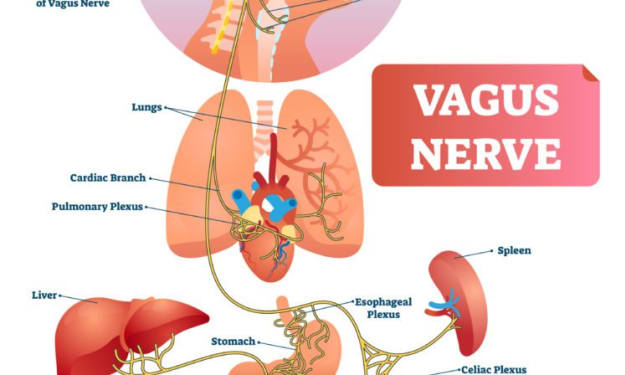
Gut health and vagus nerve: causes of problems + tips for beginner.
Your gut and brain are more connected than most people realize. At the heart of this connection lies the vagus nerve — a long nerve that runs from your brain to your stomach and intestines. When your gut health is poor or your vagus nerve isn't working well, it can lead to issues like bloating, constipation, anxiety, and fatigue.
By cherry marl11 months ago in Education
AI in Education Market to Reach USD 73.7 Billion by 2033
Market Overview Artificial Intelligence in education refers to the use of machine learning, natural language processing, and intelligent analytics to support teaching, learning, and educational administration. AI technologies are increasingly integrated into learning platforms, digital classrooms, tutoring systems, and assessment tools. These technologies enable automated grading, personalized learning paths, and real time feedback for students and educators. As educational institutions continue to adopt digital infrastructure, the role of AI systems in improving learning outcomes has become increasingly important.
By Roberto Cruma day ago in Education
Two Grumpy Old Men Solve the Problem
Marty and Steve were two grumpy old men who lived together. They had known each other for years. Marty had been a bachelor all his life. Steve said it was because no one could stand to ever live with. Marty’s standard reply was “Well, you are, so what sort of a moron does that make you!”
By Calvin Londona day ago in Humor


Comments
There are no comments for this story
Be the first to respond and start the conversation.