
Beyond the Microscope: Hobbies That Enhance a Health Scientist’s Well-Being
The Need for Balance

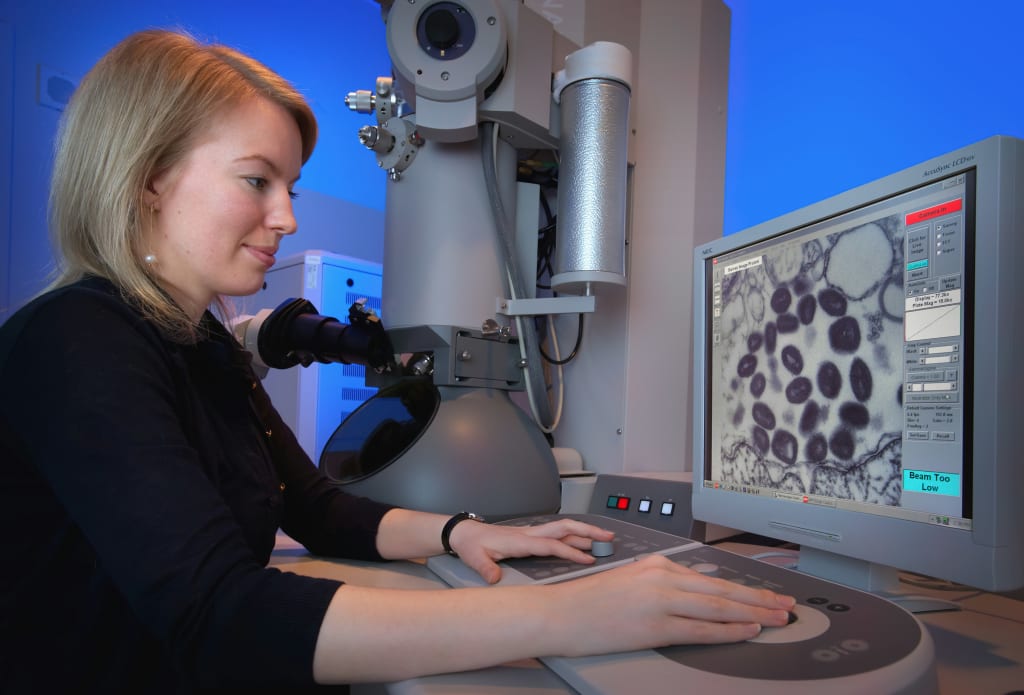
Health scientists dedicate their lives to understanding diseases, improving public health, and advancing medical knowledge. The work demands focus, long hours, and attention to detail, which can be mentally and physically taxing. Without balance, stress accumulates, creativity diminishes, and personal well-being suffers. Engaging in hobbies provides a vital outlet, offering relaxation and renewal. By investing time in meaningful activities outside the lab, health scientists strengthen their resilience, clarity, and overall satisfaction.
Hobbies allow the mind to shift focus away from experiments and data, which promotes mental recovery. When the brain steps into different modes of thinking, it often returns to scientific work with a fresh perspective and improved problem-solving ability. In this sense, hobbies are not distractions—they are tools that enhance professional performance while nurturing personal growth.
Physical Activity and Mental Clarity
Regular physical activity is a cornerstone of well-being. Running, cycling, yoga, or swimming activates the body while releasing stress. Movement improves circulation, strengthens the immune system, and stimulates the release of endorphins, which elevate mood. For health scientists, whose work often involves extended periods at desks or in labs, exercise counteracts sedentary habits and prevents burnout. Moreover, physical activity encourages mindfulness. Focusing on breath, posture, and motion diverts attention from worries and cultivates calm awareness. This mental clarity often translates into more precise and creative scientific thinking.
Engaging in outdoor activities also adds benefits beyond exercise. Hiking, kayaking, and walking in natural environments offer sensory stimulation, fresh air, and exposure to sunlight, all of which support overall mental health. These experiences promote reflection, reduce stress, and inspire curiosity—qualities that enrich both personal and professional life.
Creative Pursuits as an Outlet
Creativity nurtures the part of the brain that thrives on exploration, experimentation, and imaginative thinking. Artistic hobbies such as painting, photography, writing, or playing a musical instrument allow health scientists to step away from structured analysis and explore ideas freely. This creative freedom fosters innovation by encouraging unconventional thinking and pattern recognition, skills directly applicable to research challenges.
Furthermore, creative hobbies provide a sense of accomplishment separate from professional metrics. Completing a painting, composing a song, or finishing a short story creates personal satisfaction that reinforces confidence and motivation. Because these achievements come without pressure or deadlines, they cultivate joy and fulfillment in a way that complements scientific rigor.
Social Engagement and Community
Participating in social hobbies strengthens relationships and fosters a sense of belonging. Book clubs, team sports, volunteering, or community gardening provide opportunities for connection outside of professional hierarchies. These interactions build empathy, communication skills, and emotional resilience. Health scientists who engage socially often return to work with renewed perspective and improved collaboration abilities.
Moreover, social hobbies encourage balance by reminding individuals that life extends beyond professional identity. Sharing experiences, celebrating achievements, and learning from others enrich life in ways that data and experiments cannot replicate. This combination of personal connection and social engagement supports overall well-being.
Intellectual Hobbies for Mental Stimulation
Intellectual hobbies complement professional expertise while offering variety. Reading literature, learning a new language, or exploring philosophy and history challenge the mind in different ways. These pursuits enhance cognitive flexibility, critical thinking, and problem-solving ability. Health scientists who immerse themselves in intellectual hobbies cultivate curiosity and adaptability, which often transfers to research settings.
Additionally, intellectual hobbies foster perspective. Exposure to diverse ideas, cultures, and narratives broadens understanding and encourages open-mindedness. This mental expansion reduces stress by providing distance from immediate pressures, while simultaneously enriching the professional lens through which scientists view their work.
Mindfulness and Reflection
Hobbies that cultivate mindfulness—such as meditation, journaling, or tai chi—support emotional health and self-awareness. By encouraging intentional focus, these practices help health scientists recognize stress, regulate responses, and enhance resilience. Reflective hobbies also allow for the evaluation of personal goals and values, creating a sense of purpose beyond professional achievements.
Mindfulness-based activities enhance concentration, patience, and empathy. Scientists who dedicate time to such practices often approach their work with a clearer perspective and steadier judgment. The benefits ripple outward, influencing professional decision-making, interpersonal relationships, and overall life satisfaction.
The Interconnected Benefits
Engaging in a range of hobbies—physical, creative, social, intellectual, or reflective—creates a web of well-being that supports both life and work. Physical hobbies reduce stress and maintain health, while creative pursuits boost imagination and satisfaction. Social engagement strengthens empathy and connection, and intellectual hobbies cultivate flexibility and curiosity. Mindfulness practices reinforce emotional regulation and perspective. Together, these pursuits form a holistic approach to personal growth that complements the demands of a scientific career.
Moreover, hobbies often create unexpected synergies. Time spent outdoors may inspire artistic expression, social interactions may lead to intellectual exploration, and mindfulness can enhance creativity. By embracing multiple forms of engagement, health scientists develop a balanced lifestyle that nurtures body, mind, and spirit.
Lifelong Benefits and Sustainability
Hobbies also support sustainability in high-demand careers. The physical, emotional, and mental benefits accumulate over time, reducing burnout and enhancing overall quality of life. By intentionally carving out time for personal interests, health scientists maintain energy, focus, and motivation for both research and personal endeavors.
Long-term engagement in hobbies strengthens resilience and fosters adaptability. The skills and habits developed through leisure activities often translate into greater professional flexibility, improved problem-solving, and enhanced creativity. In this sense, hobbies are not separate from a career—they are integral to sustaining it.
Nurturing the Whole Scientist
A health scientist’s life is defined by curiosity, dedication, and service to human health. Yet these qualities thrive only when the individual is balanced, rested, and fulfilled. Hobbies provide that balance by offering physical activity, creative expression, social connection, intellectual stimulation, and mindfulness. They enrich life beyond research while reinforcing qualities that enhance professional work.
Engaging in hobbies transforms the way health scientists experience the world. Through movement, creativity, social engagement, and reflection, they cultivate resilience, joy, and clarity. Life outside the lab becomes not an interruption but an essential complement to scientific pursuit—a source of energy, perspective, and enduring well-being.
About the Creator
Isam Vaid
Dr. Isam Vaid is a respected public health scientist who has focused on chronic disease, health disparities, and interfaith community building for over 15 years.
Portfolio: https://isamvaidga.com/
How Early Hustle Jobs Build Real Mental Toughness for Life
Early hustle jobs—like babysitting, mowing lawns, stocking shelves, or working the drive-thru—might seem small on paper, but they often shape big psychological strengths. These first experiences with responsibility, pressure, and real-world expectations can build mental toughness in ways school alone usually can’t.
By David Lipan7 days ago in Education


Comments