
How Architecture Influences Mental Health and Productivity
architects in Long Island, NY
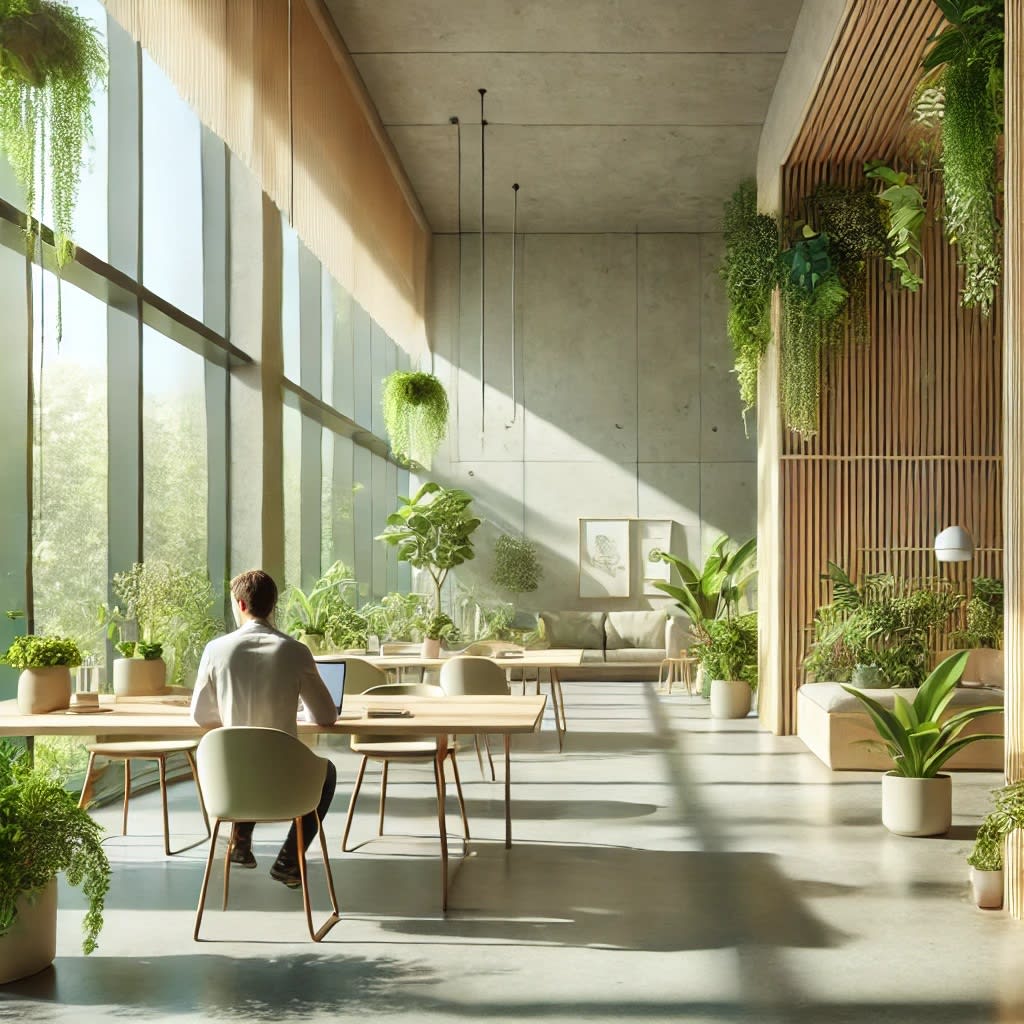
The spaces we inhabit profoundly impact our mental health and productivity. Architecture is more than just the art of designing buildings—it’s a science that shapes the way we think, feel, and perform. Whether in workplaces, homes, or public spaces, thoughtful architectural design can enhance well-being and foster an environment conducive to personal and professional growth. In this article, we’ll delve into the intersection of architecture, mental health, and productivity while exploring how architects in Long Island, NY, and beyond are pioneering designs that prioritize human experience.
The Connection Between Architecture and Mental Health
1. The Psychology of Space
Architecture directly influences our emotions and behaviors. For instance:
Natural light reduces symptoms of depression by regulating circadian rhythms.
Open spaces foster a sense of freedom and creativity, while cramped or poorly designed environments can evoke stress and anxiety.
Acoustic control ensures that spaces reduce unnecessary noise, creating a calm atmosphere conducive to focus.
2. Biophilic Design
Biophilic design integrates natural elements into architecture, offering immense benefits for mental health. Studies show that exposure to nature, even within built environments, lowers cortisol levels, reduces anxiety, and boosts happiness. Features like indoor plants, green walls, and water elements create a soothing ambiance that encourages mindfulness.
3. Color Psychology
Colors used in architectural design play a significant role in influencing mood:
Warm colors like yellow and orange stimulate energy and creativity.
Cool tones such as blue and green are calming, promoting focus and relaxation.
Neutral palettes create a balanced, non-distracting environment, often ideal for workplaces.
How Architecture Boosts Productivity
1. Ergonomic Design
Ergonomics in architecture ensures that spaces are tailored to human needs. Workspaces designed with adjustable furniture, proper lighting, and organized layouts promote physical comfort, reducing fatigue and increasing productivity.
2. Collaborative Spaces
Modern offices emphasize collaborative spaces that foster teamwork and innovation. Shared areas with flexible seating arrangements encourage communication, while private zones ensure employees have spaces for focused work.
3. Incorporating Technology
Smart buildings equipped with AI and IoT improve workplace efficiency. Automated systems for lighting, temperature control, and resource management create an environment where employees can focus without distractions. Architects in Long Island, NY, are increasingly adopting these technologies in commercial and residential projects to enhance functionality.
The Role of Sustainable Architecture
Sustainability in design is not just about environmental conservation—it significantly impacts mental well-being and productivity.
Energy-efficient designs reduce utility costs and create a comfortable indoor environment.
Ventilation systems improve air quality, reducing respiratory issues and improving cognitive function.
Natural materials like wood and stone evoke a sense of warmth and connection to the earth, fostering psychological comfort.
Case Studies of Architecture Influencing Mental Health
1. The Workplace
Tech companies like Google and Apple have redefined workplace architecture by creating campuses that prioritize employee wellness. Features like natural lighting, collaborative hubs, and green spaces have been linked to increased creativity and reduced burnout among employees.
2. Healthcare Facilities
Modern hospitals are moving away from sterile, intimidating designs to adopt patient-centered architecture. Incorporating views of nature, artwork, and calming interiors has been shown to improve patient recovery times and reduce stress for families and staff.
3. Educational Institutions
Schools and universities designed with open layouts, natural light, and flexible learning spaces improve student engagement and academic performance. Thoughtful design ensures that learning environments are inclusive, accessible, and conducive to focus.
Key Architectural Elements to Enhance Mental Health
1. Lighting Design
Lighting is a cornerstone of architectural impact.
Natural light not only boosts mood but also enhances productivity and reduces energy costs.
Layered lighting designs—combining ambient, task, and accent lighting—ensure spaces are functional and aesthetically pleasing.
2. Spatial Organization
How a space is arranged affects flow and function. Architects strategically use zoning to create areas for rest, activity, and focus. In homes, open-concept kitchens or living rooms encourage family bonding, while dedicated quiet zones provide respite.
3. Connection to the Outdoors
Architectural designs that integrate indoor and outdoor spaces create harmony. Balconies, terraces, or large windows with outdoor views allow inhabitants to feel connected to nature, improving their overall sense of well-being.
Designing for Mental Health in Long Island, NY
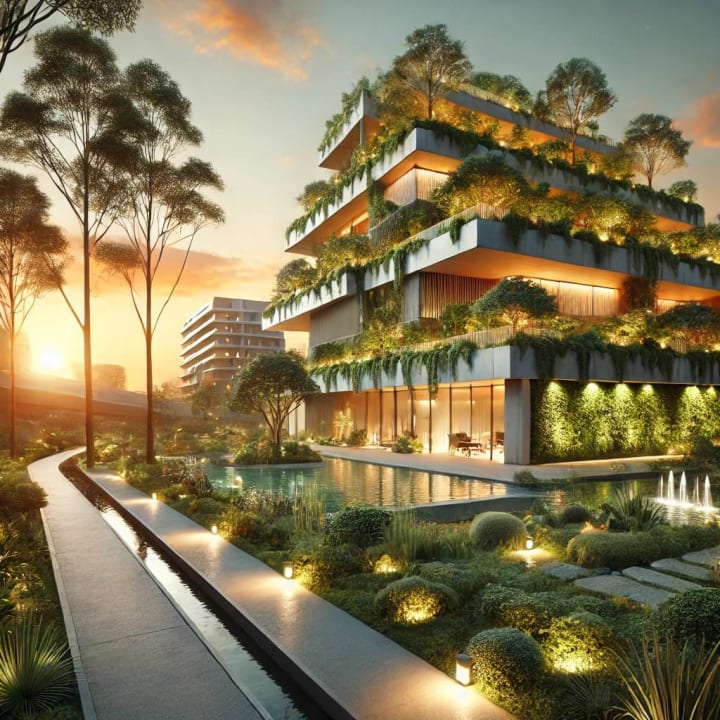
Long Island’s unique landscape and lifestyle demand architectural solutions that cater to the mental health and productivity of its residents. From coastal homes with expansive views to urban offices designed for collaboration, local architects are embracing these principles to enhance living and working experiences.
At Design with Trinity, we are passionate about creating spaces that foster well-being and inspire productivity. As leading architects in Long Island, NY, we specialize in blending innovative designs with local charm. By integrating biophilic elements, sustainable materials, and ergonomic solutions, our projects are tailored to meet the needs of individuals and businesses alike.
The Future of Architecture and Mental Well-Being
As the awareness of mental health continues to grow, the demand for architecture that nurtures the mind and body will follow. Emerging trends include:
Wellness certifications for buildings, ensuring they meet standards that prioritize occupant health.
Sensory architecture, which engages all five senses to create immersive, restorative spaces.
Adaptive reuse, transforming existing structures into environments that support modern lifestyles.
Architects in Long Island, NY, are uniquely positioned to lead this movement, combining their expertise with the region’s distinctive aesthetic and environmental context.
Conclusion
Architecture is not merely about constructing buildings; it’s about creating environments that enhance the human experience. By prioritizing mental health and productivity in design, architects can profoundly influence the quality of life for individuals and communities.
Whether through the strategic use of natural light, sustainable materials, or biophilic elements, thoughtful design has the power to transform lives. If you’re looking for innovative, human-centered architectural solutions in Long Island, NY, Design with Trinity is here to bring your vision to life.
About the Creator
Keep reading
More stories from Joseph Brown and writers in Education and other communities.
Interior Design Secrets
Creating a beautiful home is more than just decorating a space—it’s about balancing aesthetics with functionality to make every room a joy to live in. At Design with Trinity, we believe that the best designs combine style and practicality to create spaces that not only look stunning but also enhance everyday living. Whether you’re revamping your home or starting from scratch, this guide will unveil the top interior design secrets for achieving stunning and practical living spaces.
By Joseph Brownabout a year ago in Journal
From Despair to Hope: How Animal Rescue Efforts Rebuild Broken Lives
Animal rescue efforts stand as a powerful response to suffering that often goes unseen. Across towns, cities, and rural areas, animals face neglect, abandonment, injury, and fear every day. Many are left without food, shelter, or medical care. Others are harmed by abuse or natural disasters. Without help, their future is uncertain. Through patience, care, and action, animal rescue efforts transform despair into hope and give animals the chance to heal and live safely.
By Brenda McGrane7 days ago in Education
How to Gain Real Work Experience in Wealth Management
Breaking into wealth management can feel confusing at first. Many roles ask for experience, but it is not always clear how to get it. The good news is that real wealth management work experience comes from action, not just titles. With the right approach, you can build skills, credibility, and confidence before landing a full-time role.
By John Lennox Cummings6 days ago in Education
So You Decided To Become a Nurse Practitioner:
So you decided to become an "Advanced Practice" nurse. Congratulations!... is what I would say if this was a good idea. Grad school? In this economy? What were you thinking? Likely it was something along the lines of either 1) “I've seen these other chucklefucks do it— Why can't I?” or even 2) “I've got a nice career, I should shake it up. I miss feeling like I have no clue what I'm doing.”
By Sandor Szabo4 days ago in Fiction



Comments
There are no comments for this story
Be the first to respond and start the conversation.