
🤖 How AI and Automation Are Transforming Supply Chain Operations
Supply chain


The world of supply chain management is undergoing a massive transformation — and at the heart of this change are two powerful forces: Artificial Intelligence (AI) and automation.
Gone are the days when managing a supply chain meant endless paperwork, guesswork forecasting, and slow manual processes. Today, companies are turning to smart technologies to make their supply chains faster, leaner, more accurate, and more resilient.
But how exactly are AI and automation changing supply chain operations? Let’s dive in.
📦 What Is AI and Automation in Supply Chain?
Before we get into their impact, it’s important to understand what these technologies really mean in a supply chain context:
Artificial Intelligence (AI): This refers to machines or systems that can simulate human intelligence — analyzing data, learning from patterns, and making decisions. Automation: This involves using machines, software, or robotics to perform tasks without (or with minimal) human intervention.
When combined, AI and automation can revolutionize supply chains by removing delays, predicting problems, and enhancing decision-making.
🔍 Key Areas Where AI & Automation Are Making an Impact
1. Demand Forecasting
Traditionally, forecasting relied on past sales data and educated guesses. But AI changes the game.
AI-powered systems can analyse:
Historical data Seasonal trends Market behavior Weather patterns Social media signals
With this 360-degree view, businesses can predict demand with far greater accuracy, reducing the risk of overstocking or stockouts.
✅ Example: Walmart uses AI to forecast customer demand and adjust inventory in real time, helping it maintain high in-stock rates.
2. Warehouse Automation
Warehousing has become smarter, thanks to automation tools like:
Robotic arms for picking and packing Conveyor systems Automated storage and retrieval systems (AS/RS) Drones for inventory scanning
These tools not only boost efficiency, but also minimize human error and reduce labor costs.
✅ Example: Amazon’s fulfillment centers use over 200,000 robots that help sort, lift, and transport goods — dramatically improving delivery speed.
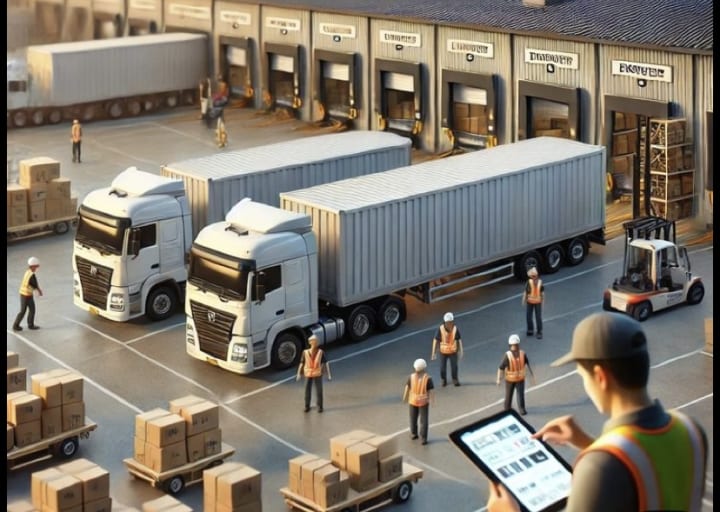
3. Smart Logistics and Route Optimization
AI and machine learning help logistics managers make data-driven decisions for:
Selecting the fastest delivery routes Reducing fuel costs Avoiding delays due to weather or traffic Planning multi-stop deliveries more efficiently
Some systems even adapt routes in real time based on new information.
✅ Example: FedEx uses predictive analytics to manage delivery timelines and choose the most efficient transport modes.
4. Predictive Maintenance of Equipment
Unplanned equipment breakdowns in warehouses or production facilities can disrupt the entire supply chain. But AI helps solve this.
Using IoT (Internet of Things) sensors and AI, companies can:
Monitor machine health Predict failures before they happen Schedule maintenance proactively
This leads to less downtime, better productivity, and lower repair costs.
5. Quality Control and Defect Detection
AI systems equipped with computer vision can now detect defects in products faster and more accurately than humans.
This is especially useful in manufacturing, where visual inspection is critical. AI can:
Spot defects in real time Reduce waste Improve product consistency
✅ Example: Tesla uses AI-powered cameras on its production line to inspect parts and reduce defects.
6. Customer Service & Chatbots
AI isn’t just improving operations behind the scenes. It’s also transforming how businesses interact with customers.
AI chatbots and virtual assistants can:
Answer order queries 24/7 Provide real-time tracking updates Process return requests Collect customer feedback
This leads to faster response times, better customer experience, and reduced burden on human support teams.
📈 Benefits of AI and Automation in Supply Chain
Let’s summarize the major advantages:
Benefit
Description
✅ Accuracy
AI reduces human error and improves forecasting
✅ Speed
Automation accelerates processes like picking, packing, and delivery
✅ Cost Savings
Fewer errors, less waste, and better planning lower overall costs
✅ Resilience
AI identifies risks early, helping companies stay ahead of disruptions
✅ Visibility
Real-time tracking of goods and inventory across the entire chain
✅ Scalability
Automation allows businesses to grow without massive increases in workforce
🧠 Challenges and Considerations
Despite the benefits, AI and automation aren’t magic solutions. Companies must consider:
High upfront costs of new tech and training Cybersecurity risks with connected devices Job displacement concerns for manual labor roles Complex integration with legacy systems
The key is to balance technology with a human-centered approach — where machines handle repetitive tasks, and people focus on strategy and innovation.
🔮 The Future of Supply Chains: Smart, Agile, and Predictive
We’re only scratching the surface of what AI and automation can do. As technology evolves, we can expect to see:
Fully autonomous warehouses Driverless delivery trucks Blockchain-powered supply transparency Real-time global supply chain visibility
Businesses that embrace digital transformation today will be the ones that lead tomorrow.
About the Creator
Keep reading
More stories from Kainat Javed and writers in Education and other communities.
Travel Made Easy: A Practical Guide to Planning a Smooth and Relaxing Vacation Anywhere
Travel has the power to refresh the mind, inspire new ideas, and create unforgettable memories. However, planning a vacation can sometimes feel more stressful than rewarding. From choosing destinations to managing time and expenses, many travelers feel overwhelmed before they even pack their bags. The key to enjoying a peaceful journey lies in thoughtful planning and a calm mindset. This guide explains how to plan a stress-free vacation anywhere while keeping the process simple, organized, and enjoyable.
By Nathalie Kyriakou6 days ago in Education



Comments
There are no comments for this story
Be the first to respond and start the conversation.