
how age-related joint problems occur and 7 simple tips for beginners to manage pain naturally.
read to learn more....

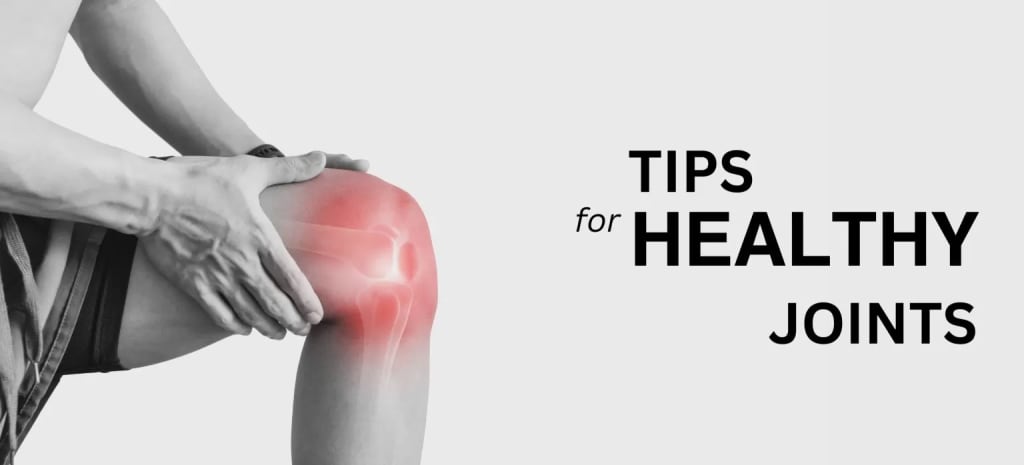
🔍 What Are Age-Related Joint Issues?
Joints are the areas where two bones meet—like your knees, shoulders, or elbows. These joints are cushioned by cartilage, a smooth tissue that allows your bones to glide easily during movement. Your joints are also surrounded by synovial fluid, which acts like oil to lubricate and protect them.
With age, this joint system can start to break down. You may develop stiffness, pain, cracking sounds, or even swelling. This can lead to conditions like:
Osteoarthritis
Bursitis
Tendonitis
Chronic joint inflammation
⚠️ What Causes Joint Problems as You Age?
Here are some of the most common reasons why joint pain and inflammation become more noticeable with age:
1. Cartilage Breakdown
Cartilage naturally wears down over time. As it thins, there’s less cushion between your bones, which can lead to pain, swelling, and limited movement. This process is the hallmark of osteoarthritis, the most common age-related joint condition.
2. Decreased Synovial Fluid
As you age, your joints produce less synovial fluid—the natural lubricant that helps joints move smoothly. Less fluid means more friction, leading to stiffness and discomfort.
3. Inflammation from Wear and Tear
Years of movement, exercise, and even daily activities can cause tiny injuries or irritation in your joints. Your immune system responds with inflammation, which, over time, can become chronic and lead to joint damage.
4. Muscle Weakness
Muscles support and protect your joints. But with age, muscles may lose strength and flexibility if you’re not active. This puts more strain on your joints, making them more vulnerable to pain and injury.
5. Weight Gain
Extra weight increases pressure on your joints—especially the knees, hips, and spine. Just 10 extra pounds can add 30–40 pounds of force to your knees with every step.
6. Oxidative Stress
As you age, your body accumulates free radicals—unstable molecules that damage cells, including those in your joints. This process, called oxidative stress, leads to inflammation and accelerates joint degeneration.
7. Poor Posture or Repetitive Movement
Years of bad posture or repeated movements (like typing or lifting) can misalign joints or overwork certain areas. Over time, this leads to chronic inflammation and pain.
✅ Beginner-Friendly Tips to Ease Joint Pain and Inflammation Naturally
Now that you understand the causes, here are simple and effective ways to manage age-related joint problems:
1. Stay Active with Low-Impact Exercise
Movement is medicine! Regular, gentle activity strengthens the muscles around your joints and keeps them flexible. Try:
Walking
Swimming
Cycling
Tai Chi or Yoga
Avoid high-impact activities that strain your joints—like running on hard surfaces or jumping.
2. Eat an Anti-Inflammatory Diet
Your food choices play a huge role in joint health. Include:
Omega-3 fats from salmon, walnuts, and flaxseed
Leafy greens like spinach and kale
Berries, turmeric, ginger, and olive oil
Avoid processed foods, sugar, and fried foods
3. Stay Hydrated
Water helps maintain synovial fluid and remove waste products from your joints. Aim for 6–8 glasses a day.
4. Lose Excess Weight
Every pound lost takes pressure off your joints. Losing just 5–10% of your body weight can significantly reduce joint pain.
5. Improve Your Posture
Be mindful of how you sit, stand, and move. Poor posture puts stress on joints and muscles. Use ergonomic chairs, stretch regularly, and strengthen your core.
6. Try Natural Supplements
Many people use natural supplements to support joint health. Look for ingredients like:
Glucosamine & Chondroitin – support cartilage repair
Turmeric/Curcumin – reduce inflammation
Hyaluronic Acid – improve joint lubrication
Joint Genesis – a blend of natural compounds to reduce stiffness and restore flexibility
Always check with your doctor before starting supplements, especially if you take medications.
7. Prioritize Rest and Recovery
Give your joints time to recover after physical activity. Use heat or cold therapy to soothe sore joints, and get enough sleep every night.
🧘 Final Thoughts
Age-related joint pain and inflammation are common, but they don’t have to control your life. By understanding the causes and making simple lifestyle changes, you can reduce discomfort and keep moving with confidence.
Start slow, stay consistent, and your joints will reward you with better flexibility, less pain, and a more active life.
need medicine help? click here...
About the Creator
Keep reading
More stories from cherry marl and writers in Education and other communities.
blood sugar problems explained:10 easy tips beginners can use to lower glucose naturally.
🔍 What Are Blood Sugar Problems? Blood sugar (glucose) is the main source of energy your body gets from food. After you eat, carbohydrates are broken down into glucose, which enters your bloodstream. Your pancreas then releases insulin, a hormone that helps move that glucose into your cells for energy.
By cherry marl11 months ago in Education
NCLEX Study Plan: A Step-by-Step Guide for Nursing Students
Preparing for the NCLEX-RN is one of the most important milestones in the nursing students’ career. This is because the NCLEX is the final step before nursing students can become licensed nurses. However, it is not as easy as simply reading nursing textbooks and taking notes from class lectures. This is because the NCLEX is designed to test the nursing students’ clinical judgment and decision-making skills.
By Sulcus Learning6 days ago in Education
How the Sun Influences Climate: The Hidden Force Shaping Earth’s Weather and Environment
Every morning, sunlight spreads across the horizon, warming the land, oceans, and atmosphere. It feels simple and familiar, yet this daily event is driven by one of the most powerful forces shaping our planet: the Sun.
By shahkar jalala day ago in Education




Comments
There are no comments for this story
Be the first to respond and start the conversation.