

I. Introduction
A bicycle is a human-powered vehicle with two wheels arranged in a line, one behind the other. The rider sits on a seat and propels the vehicle by pushing pedals with their feet. Bicycles are known for their efficiency, ease of use, and versatility and are considered one of the most efficient human-powered means of transportation in terms of energy a person must expend to travel a given distance.
The history of the bicycle can be traced back to the early 19th century, with the invention of the draisine, also known as the hobby horse or running machine. These early bicycles had no pedals, and the rider would push themselves along with their feet. The first true bicycle with pedals was invented in the 1860s and had a similar design to the modern bicycle. Since then, bicycles have undergone several design changes and advancements in technology, such as the introduction of gears, suspension, and disc brakes.
II. Components of a bicycle
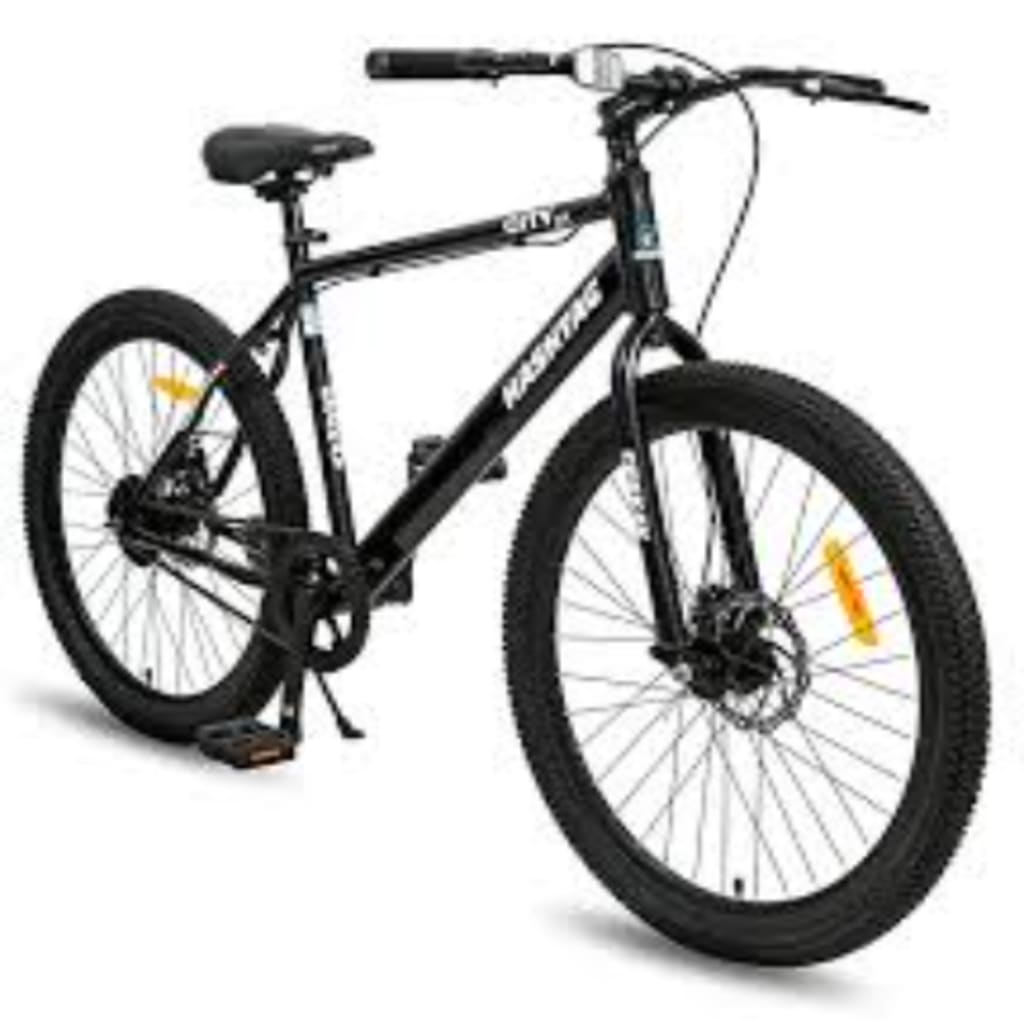
A typical bicycle is made up of several key components, including the frame, wheels, tires, brakes, gears, and handlebars and seat.
The frame is the main structure of the bicycle, and it is typically made of materials such as steel, aluminum, or carbon fiber. It supports the other components and determines the shape and size of the bicycle.
The wheels are the round parts of the bicycle that the rider sits on and propels forward. They consist of a hub, spokes, and a rim.
Tires are the rubber parts that cover the wheels and provide traction and cushioning. They come in a variety of sizes and types, such as slick, knobby, or puncture-resistant.
Brakes are the devices that allow the rider to slow down or stop the bicycle. There are several types of brakes, including rim brakes, disc brakes, and drum brakes.
Gears are the mechanisms that allow the rider to change the resistance of pedaling, making it easier or harder to pedal.
Handlebars and seat are the parts of the bicycle that the rider holds onto and sits on. They come in a variety of styles and sizes to fit the rider's preferences and needs.
III. Types of bicycles
There are many different types of bicycles, each designed for a specific purpose. Some of the most common types include:
Road bicycles: These are designed for riding on paved roads and have narrow tires, drop handlebars, and multiple gears. They are lightweight and efficient for long-distance riding.
Mountain bicycles: These are designed for off-road riding and have wide tires, strong frames, and suspension systems to handle rough terrain. They are heavier and sturdier than road bicycles and are suitable for trail riding and cross-country biking.
Hybrid bicycles: These are a combination of road and mountain bicycles and are designed for a wide range of uses. They have a more comfortable riding position than road bicycles and are suitable for commuting, recreational riding, and light off-roading.
Electric bicycles: These are bicycles that have an electric motor and battery that assist the rider in pedaling. They are designed to make cycling easier and more efficient, particularly for long distances or steep hills.
Folding bicycles: These are bicycles that can be folded into a compact size for easy transport and storage. They are often used for commuting and travel.
IV. Use and maintenance of bicycles
Using and maintaining a bicycle properly can ensure a safe and enjoyable riding experience.
Safety precautions: Always wear a helmet and appropriate clothing when riding. Follow traffic laws and be aware of your surroundings. Keep your bicycle in good working order, regularly check brakes, tires, and chain.
Proper maintenance and repair: Regularly inspect and maintain your bicycle to ensure it is in good working order. This includes cleaning and lubricating the chain, keeping the tires properly inflated, and adjusting brakes and gears as needed.
Accessories and customization: Personalize your bicycle with accessories such as lights, mirrors, and racks. Customize your bicycle to fit your needs and preferences.
V. Environmental impact and sustainability
Bicycles have several advantages over cars in terms of sustainability. They do not emit pollutants, require less energy to operate, and take up less space on the road. Bicycles are also a more active mode of transportation, promoting physical activity and a healthy lifestyle.
Efforts to promote cycling as sustainable transportation include building dedicated bike lanes, creating bike-sharing programs, and encouraging people to use bicycles for short trips.
VI. Conclusion
Bicycles are an efficient, cost-effective, and environmentally friendly mode of transportation. They have a wide range of uses and can be customized to fit the rider's needs and preferences. With advancements in technology, such as electric motors and folding designs, bicycles are becoming even more versatile and accessible. The popularity of cycling as a sport and leisure activity is also increasing, promoting a healthy lifestyle and environmental awareness. As more cities and communities focus on sustainable transportation, the role of bicycles in modern society is expected to continue to grow.
About the Creator
Keep reading
More stories from Giridharan and writers in Education and other communities.
History of Gun
I. Introduction A gun is a weapon that uses an explosive force to propel a projectile, typically a bullet, out of a barrel. Guns have been used for hunting, self-defense, and warfare for centuries. They have evolved over time, from early muskets and hand cannons to modern handguns, rifles, and automatic weapons.
By Giridharan3 years ago in Education
What Should Be Your Main Focus During an Online Limited Radiology Tech Program
Well, the short answer is that there is not a single module that you should strictly focus on. If you want to become a X-ray technician, you need to develop both technical and soft skills.
By Meaghan Howeabout 15 hours ago in Education
NCLEX Study Plan: A Step-by-Step Guide for Nursing Students
Preparing for the NCLEX-RN is one of the most important milestones in the nursing students’ career. This is because the NCLEX is the final step before nursing students can become licensed nurses. However, it is not as easy as simply reading nursing textbooks and taking notes from class lectures. This is because the NCLEX is designed to test the nursing students’ clinical judgment and decision-making skills.
By Sulcus Learning2 days ago in Education
Bomb Scare
It was 2027, and the world never thought it would happen. A missle hit the United States, but it wasn't where they had anticipated. A little town in the northeast was hit by a missile strike, they didn't know why, and they didn't know exactly where it hit, but they did know it was a coastal community, somewhere between Maine and Delaware.
By Gregory Payton7 days ago in Fiction




Comments
There are no comments for this story
Be the first to respond and start the conversation.