
Hidden Dangers of Sleep Deprivation
Lack of Sleep consequences
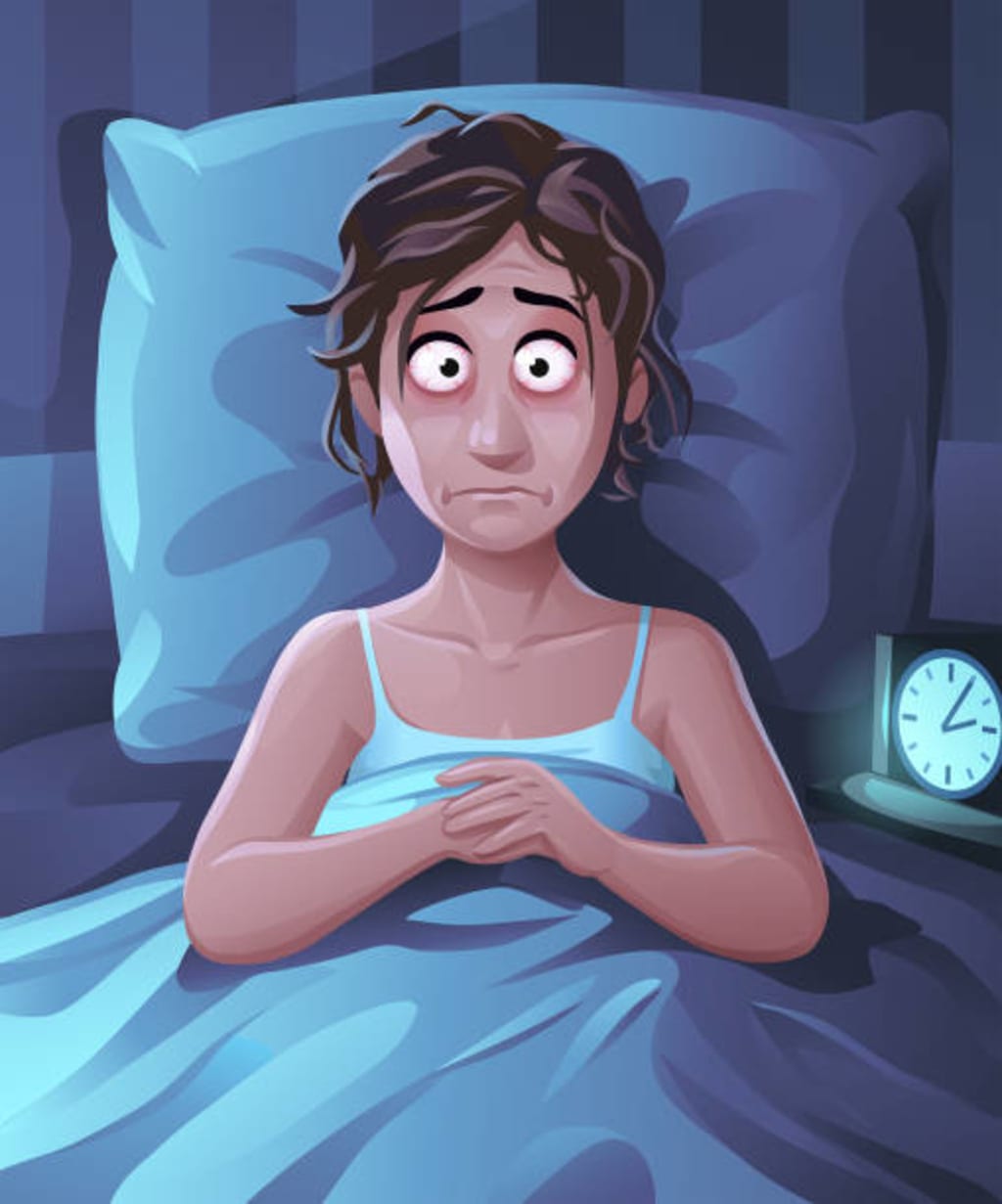
The Hidden Dangers of Sleep Deprivation: Why Rest Is More Crucial Than You Think
We all know the feeling: the grogginess, the fuzzy brain, and the heavy eyelids that come after a sleepless night. In today's fast-paced world, where deadlines, responsibilities, and distractions often take precedence, sleep has become a luxury many of us can't afford. Yet, while a cup of coffee or an energy drink might help you power through the day, the effects of sleep deprivation go far beyond just feeling tired. Emerging research suggests that a lack of sleep can have profound and lasting impacts on both your physical and mental health.
Sleep is not merely a time for our bodies to shut down; it's a dynamic process essential for survival. Virtually every creature on Earth needs sleep, underscoring its vital role in health and well-being. While we're asleep, our bodies are hard at work, performing essential functions that keep us functioning at our best. Physically, sleep is a time for repair and rejuvenation. Human growth hormone is released during sleep, which is crucial for muscle growth, tissue repair, hormone production, and cellular recovery. Without sufficient sleep, our bodies struggle to maintain these processes, leading to a range of health issues over time.
Mentally, sleep is just as critical. During sleep, the brain sifts through the information it has collected throughout the day, processing it and deciding what to retain and what to discard. This process is essential for learning, memory consolidation, and overall cognitive function. Additionally, the brain undergoes physical repairs during sleep, with glial cells playing a key role in maintaining and supporting neuronal health.
Glial cells, often referred to as the "support cells" of the nervous system, are integral to brain health. There are two main types of glial cells involved in sleep: microglia and astrocytes. Microglia are responsible for removing old or damaged neurons through a process called phagocytosis, which means "to devour" in Greek. Astrocytes, on the other hand, work to maintain and optimize the synapses, the connections between neurons, ensuring efficient communication within the brain.
But what happens when we don't get enough sleep? A groundbreaking study conducted in Italy examined the brains of sleep-deprived mammals and discovered some alarming changes. The researchers studied four groups of mice: a control group that slept normally, a group woken up at regular intervals, a sleep-deprived group kept awake for eight extra hours, and a chronically sleep-deprived group kept awake for five days straight. They found that in the brains of sleep-deprived mice, the astrocytes began to behave abnormally. Instead of merely rewiring synapses, these cells started to devour them, much like microglia. This process was observed in 8.4% of the synapses in the sleep-deprived mice and a staggering 13.5% in the chronically sleep-deprived mice.
Initially, this may not seem problematic; in the short term, this process could help clear out worn-out connections and make way for new, healthier ones. However, over time, this uncontrolled activity could have dire consequences. Microglial overactivity has been linked to neurodegenerative diseases like Alzheimer's, raising the possibility that chronic sleep deprivation could increase the risk of developing these conditions.
The dangers of insufficient sleep extend far beyond the brain. A lack of sleep can lead to memory problems, sore muscles, headaches, irritability, and an increased risk of developing serious conditions like diabetes and depression. Your immune system becomes compromised, making you more susceptible to illness, and you may even experience hallucinations. Elevated blood pressure, weight gain, and a higher risk of heart disease are also common among those who regularly miss out on sleep.
In conclusion, sleep is far more than a nightly routine—it's a critical component of our overall health. While modern society often pushes us to prioritize work, social engagements, and entertainment over sleep, the long-term consequences of sleep deprivation are too significant to ignore. Protecting your sleep means protecting your health, both mental and physical.
As research continues to uncover the intricate ways sleep affects our bodies and minds, it's becoming increasingly clear that getting enough rest is essential. So, the next time you're tempted to stay up late or skimp on sleep, remember: those extra hours of wakefulness may be doing more harm than you realize. Prioritize your sleep now to ensure a healthier, more vibrant future.
About the Creator
How Interest Rates Impact Real Estate Investments and Investor Decision Making
Interest rates impact real estate investments at every stage of the buying and owning process. From the first loan application to long term holding strategies, interest rates influence costs, demand, and overall returns. Many investors focus only on property price, but interest rates often play a larger role in success or failure. This article explains how interest rates affect real estate investments in a clear and simple way, using practical examples that are easy to understand.
By Manny Khoshbin2 days ago in Education
Businesses Where AI Does Most of the Work
The idea of a side business used to mean late nights, endless hustle, and doing everything yourself. Today, artificial intelligence has changed the rules. With the right setup, you can start a side business where AI handles most of the heavy lifting—content creation, analysis, customer interaction, and even basic decision-making—while you focus on strategy and growth.
By Anthony Bahamonde3 days ago in Education



Comments
There are no comments for this story
Be the first to respond and start the conversation.