
Herbal Medicine: Embracing Nature’s Healing Through Digital E-Books
Read the article to learn more..
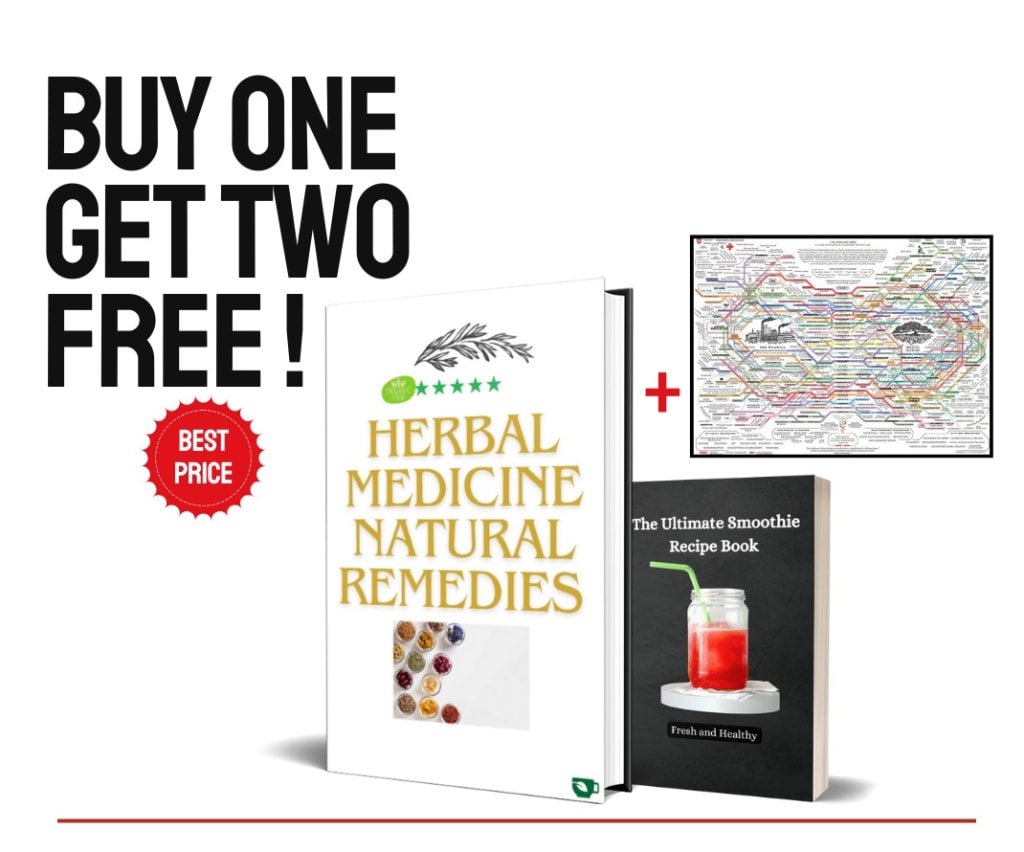
For centuries, herbal medicine has harnessed the healing power of plants to address various health concerns and enhance overall wellness. Today, in the digital age, this ancient wisdom is more accessible than ever—thanks to a growing range of e-books that delve into natural remedies. These digital guides offer comprehensive information about the therapeutic properties of herbs, how to use them effectively, and the precautions to follow for safe self-care.
Tracing the Roots: A Brief History of Herbal Medicine
The use of herbs for healing can be traced back to some of the world’s oldest civilizations. Traditional Chinese Medicine (TCM), Ayurveda in India, and Native American healing traditions have long depended on plant-based remedies. Early herbalists carefully recorded their practices in manuscripts, paving the way for the first printed herbals. Now, the digital transformation continues this tradition—preserving ancient knowledge while expanding global access through e-books.
Why Choose Herbal Medicine?
Herbal remedies offer a host of advantages over conventional pharmaceutical drugs. When used correctly, they tend to be gentler on the body and are less likely to cause side effects. Many herbs naturally contain anti-inflammatory, antimicrobial, and antioxidant compounds that support the immune system and aid in managing long-term conditions. Unlike many modern medications that only mask symptoms, herbal treatments often focus on the underlying cause of healing promoting true, holistic healing.
Popular Healing Herbs and Their Everyday Uses
Herbal medicine e-books commonly explore the following well-known herbs, among many others:
Turmeric (Curcuma longa): A powerful anti-inflammatory that aids digestion and helps with joint pain.
Ginger (Zingiber officinale): Known for reducing nausea, easing colds, and supporting gut health.
Echinacea (Echinacea purpurea): Popular for strengthening the immune system and fighting infections.
Peppermint (Mentha piperita): Helps relieve headaches and soothe digestive issues.
Chamomile (Matricaria chamomilla): Encourages relaxation and improves sleep quality.
Each herb’s benefits, dosage, preparation methods, and contraindications are covered in depth in digital herbal medicine resources.
The Digital Evolution of Herbal Knowledge
Herbal medicine e-books have surged in popularity due to their convenience, affordability, and user-friendly format. Unlike traditional print books, e-books can be easily updated to reflect the latest scientific findings. Many also include multimedia features such as instructional videos, interactive glossaries, and links to reputable sources—offering a richer and more engaging learning experience.
Key Benefits of Herbal Medicine E-Books
Digital herbal guides come with a range of advantages:
Instant Access: No waiting for delivery—download and read immediately.
Portability: Carry your entire herbal library across devices, whether at home or on the go.
Budget-Friendly: Often more affordable than printed versions, with zero printing or shipping costs.
Informative: Many e-books include comprehensive sections with herbal recipes, usage instructions, and safety tips.
How to Choose a Trustworthy Herbal E-Book
With so many titles available, selecting the right herbal e-book requires careful consideration—Prioritise books written by qualified herbalists, naturopaths, or health professionals. Look for reviews from verified readers and check if the content references credible scientific studies. A well-written e-book should be clear, informative, and rooted in both tradition and evidence-based practice.
Using Herbs Safely: Precautions to Keep in Mind
While herbal remedies are natural, they are not always risk-free. Some herbs can interact negatively with prescription medicines or may not be suitable for certain individuals. For example, St. John’s Wort can interfere with several medications. Pregnant or breastfeeding women and those with chronic illnesses should always consult a healthcare provider before starting any herbal regimen. The best e-books emphasize responsible usage, often including safety checklists and dosage guidelines.
Everyday Integration of Herbal Remedies
Herbal medicine doesn’t have to be complex or overwhelming. Many e-books encourage practical, daily applications—like drinking chamomile tea for stress relief or adding turmeric to meals to reduce inflammation. Some also guide readers on creating DIY herbal tinctures, salves, and essential oil blends. Additionally, these resources often incorporate wellness tips on stress management, nutrition, and physical activity to support holistic living.
The Promising Future of Herbal E-Books
With the rising demand for natural health solutions, herbal medicine e-books are set to become even more innovative. Future e-books may leverage artificial intelligence (AI) and augmented reality (AR) to personalize herbal guidance based on a reader’s health goals, lifestyle, and history. Imagine scanning a plant with your phone and receiving instant, AI-generated advice on how to use it safely and effectively!
Conclusion: Empowering Health Through Nature and Technology
Herbal medicine stands as a time-tested and sustainable approach to healing. When combined with the accessibility and innovation of e-books, it becomes an even more powerful tool. These digital resources bridge the gap between age-old traditions and modern lifestyles, enabling individuals to make informed, confident decisions about their health. Whether you're looking to relieve a minor ailment or take a more natural path to well-being, herbal medicine e-books provide a trusted companion on your journey to vibrant health.
👉 Want to dive deeper into the world of herbal healing?
Click here to explore
About the Creator
Keep reading
More stories from Sabz Ali Khan and writers in Education and other communities.
What Are the Benefits of the Carnivore Diet: A Comprehensive Guide
What Are the Benefits of the Carnivore Diet: A Comprehensive Guide Introduction The carnivore diet has gained popularity among health enthusiasts. More people are curious about what eating only animal foods can do for their health. This diet involves eating meat, fish, and eggs, with almost no plant foods. Some swear it’s a game-changer for health, weight loss, and mental clarity. This article dives into the main benefits backed by research, expert opinions, and real-life stories.
By Sabz Ali Khan9 months ago in Education
The Man Who Refused to Worry
During my student years, I once met someone who seemed very different from everyone else around him. Most students were constantly worried about exams, grades, and their future careers. Conversations in classrooms and hostels often revolved around competition and pressure. Everyone appeared to be running in a race, trying not to fall behind.
By zohaib ahmadabout 13 hours ago in Education
The Meaning Behind the Rules: What a Law Explains in Society
A law explains how people should behave within a society and what consequences may follow when they ignore those rules. Governments create laws to guide actions, protect rights, and maintain order. Because communities include people with different interests and values, clear rules help prevent conflicts and confusion. Therefore, laws serve as written standards that explain what society expects from its members.
By Juan Monteverde4 days ago in Education
Silken Chains
Silhouettes of the female form were given flesh and bone. Silken skin glistened under the spotlight. Dry ice rose around our Icons as they danced atop their podiums in the Square. Heralded for their beauty, their movements were slight, powerful, and sensual.
By Paul Stewart7 days ago in Fiction




Comments
There are no comments for this story
Be the first to respond and start the conversation.