
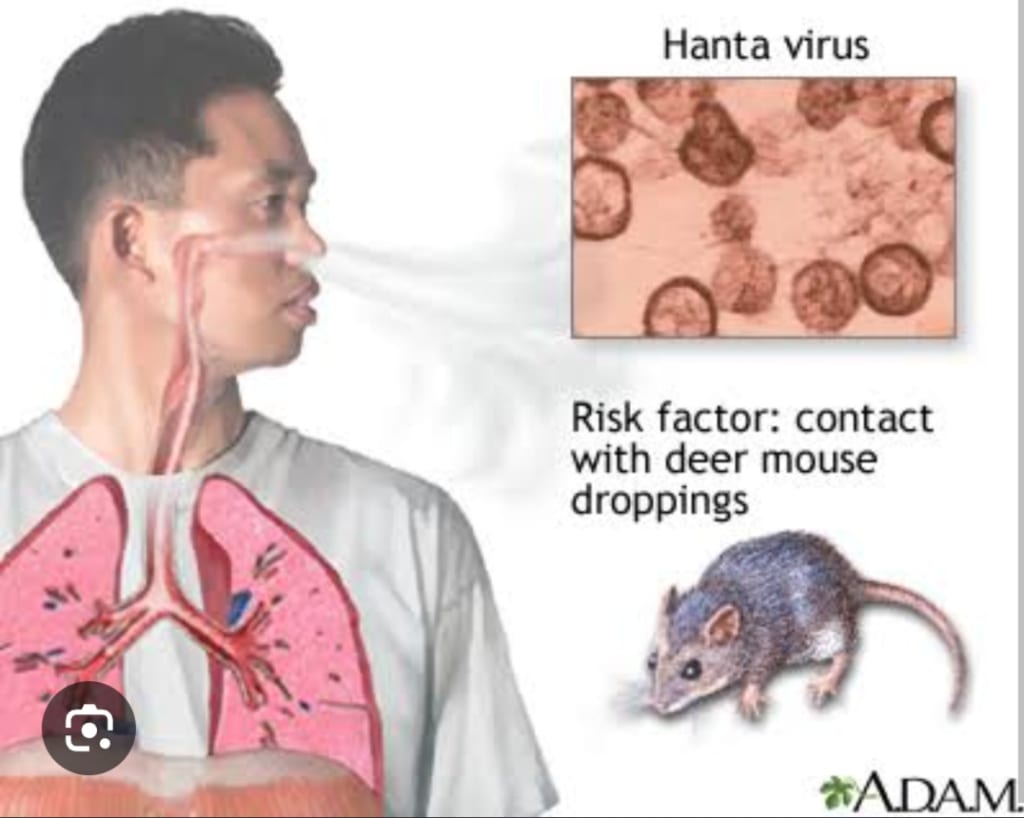
Hantavirus is a rare but potentially fatal viral infection that primarily spreads to humans through contact with rodents, particularly their urine, droppings, or saliva. The virus is carried by rodents such as deer mice, white-footed mice, and cotton rats, which serve as the primary hosts. While the virus itself does not directly harm the rodents, humans can become infected if they inhale airborne particles from rodent excreta or come into direct contact with it.
There are two main types of hantavirus that affect humans: **Hantavirus Pulmonary Syndrome (HPS)** and **Hemorrhagic Fever with Renal Syndrome (HFRS)**. HPS is the most commonly recognized form in the United States, causing severe respiratory distress and often leading to fatal outcomes. HFRS, on the other hand, is more common in parts of Asia and Europe, causing kidney failure and bleeding.
HPS symptoms typically start with fever, muscle aches, and fatigue, followed by shortness of breath and a dry cough, which may progress rapidly to respiratory failure. Early detection and supportive treatment are crucial, but there is no specific antiviral treatment for hantavirus infections.
The virus is primarily transmitted through the inhalation of aerosolized particles from rodent excreta in poorly ventilated areas. It can also be contracted by handling infected rodents or their nests and, in rare cases, through bites. The likelihood of contracting hantavirus is highest in rural or wooded areas, particularly in locations with poor sanitation or where rodent infestations are common.
Prevention measures include sealing homes to prevent rodent entry, maintaining cleanliness to avoid rodent infestations, and using proper protective equipment when cleaning areas contaminated with rodent droppings. There is no vaccine for hantavirus, making prevention the most effective strategy for reducing the risk of infection.Hantavirus is a group of viruses transmitted primarily by rodents. It can cause severe diseases in humans, including Hantavirus Pulmonary Syndrome (HPS) and Hemorrhagic Fever with Renal Syndrome (HFRS). The virus spreads through contact with rodent urine, droppings, or saliva, or by inhaling aerosolized particles. Symptoms include fever, muscle aches, and fatigue, often followed by respiratory distress. Early diagnosis and supportive care are crucial, as HPS can be fatal. Prevention includes avoiding rodent exposure and proper sanitation.Hantavirus is a group of viruses transmitted to humans through contact with rodents, particularly their urine, droppings, or saliva. The virus can cause serious illness, such as Hantavirus Pulmonary Syndrome (HPS), a severe respiratory disease, and Hemorrhagic Fever with Renal Syndrome (HFRS), which affects the kidneys.
### Transmission
Humans typically contract hantavirus through inhaling dust contaminated with rodent droppings, urine, or saliva, or by direct contact with infected animals. Bites from infected rodents are also a potential route of transmission, though rare. It is important to note that hantavirus is not spread from person to person.
### Symptoms
HPS symptoms begin with mild flu-like signs, such as fever, muscle aches, fatigue, and headache. However, these progress rapidly to severe respiratory issues, including shortness of breath, coughing, and fluid in the lungs. In contrast, HFRS often causes fever, bleeding, and kidney failure, leading to severe health complications.
### Prevention
Preventing hantavirus involves reducing exposure to rodents and their droppings. This includes sealing up areas where rodents can enter, using traps, and wearing protective gear when cleaning areas that may be contaminated. Proper ventilation is crucial when cleaning rodent-infested spaces to reduce the risk of inhaling the virus.
### Treatment
There is no specific antiviral treatment for hantavirus infections. Management primarily focuses on supportive care, including oxygen therapy and mechanical ventilation for severe respiratory cases. Early diagnosis and treatment are critical for improving survival rates.
### Geography and Risk
Hantavirus is primarily found in areas where rodents are common. In the U.S., cases are most often reported in the western states, though the virus can be found in other parts of the world as well. The risk of infection is higher in rural areas, particularly in places with poor rodent control.
While hantavirus is a serious illness, the risk of contracting it can be minimized by taking precautions around rodents and their habitats.
About the Creator
Keep reading
More stories from Aniket Jirapure and writers in Education and other communities.
Chhaava movie collection
**Chhaava Movie Collection – A Box Office Phenomenon** *Chhaava* (2025) has taken the Indian film industry by storm, becoming one of the highest-grossing films of the year. Directed by Laxman Utekar, this historical epic chronicles the life of Chhatrapati Sambhaji Maharaj, the second ruler of the Maratha Empire. With a stellar performance by Vicky Kaushal in the titular role, supported by Rashmika Mandanna and Akshaye Khanna, *Chhaava* quickly became a box office sensation. The film, which blends history with emotional drama, has captured the audience’s imagination and delivered substantial earnings both domestically and internationally.
By Aniket Jirapure10 months ago in Art
Connected Wealth: Why Strong Networks Are Essential to Smarter Financial Planning
Financial planning is often associated with spreadsheets, forecasts, and long-term projections. While these technical elements are essential, they represent only one side of the process. Relationships, shared knowledge, and access to broader communities strengthen a truly effective financial plan. Networks—both personal and professional—play a critical role in shaping smarter, more resilient financial strategies.
By Lee Generousa day ago in Education
Ensuring Service Quality Amidst Business Expansion
Business expansion is often seen as a milestone of success. It reflects growth, profitability, and a wider reach. However, with this growth comes a critical challenge that can define a company's long-term sustainability—maintaining service quality. As operations stretch across new markets, larger customer bases, and more complex systems, the risk of service decline increases. Customers today expect consistent, high-quality experiences regardless of where or how they interact with a brand. This makes service quality not just a priority, but a cornerstone of growth strategy.
By Devin Doyle of Newport Beach5 days ago in Education



Comments
There are no comments for this story
Be the first to respond and start the conversation.