
Gua Sha: Cultural and Social Perspectives
Discover the cultural roots, global spread, and social debates of Gua Sha—traditional healing turned modern wellness and beauty trend.

Gua Sha, a traditional healing practice rooted in Chinese medicine, has gradually moved from being a family remedy to a globally recognized wellness trend. Once regarded as an alternative folk therapy, it now occupies a unique position at the intersection of culture, health, and society. The discussion around Gua Sha goes far beyond its therapeutic function—it is also a window into cultural identity, global exchange, and social controversy.
Cultural Background of Gua Sha
The practice of Gua Sha can be traced back thousands of years in Chinese history. Traditionally, it was used within households to relieve fever, muscle pain, and fatigue. More than a health intervention, Gua Sha symbolized the wisdom of nature-based healing. In Chinese culture, it represents the idea that harmony and balance can be restored through natural methods rather than invasive treatments. For many families, passing down the knowledge of Gua Sha is also a way of transmitting cultural heritage.
Social Acceptance and Global Spread
Within China, Gua Sha has long been embedded in daily life. However, its practice varies across regions and age groups: while rural areas often preserve it as a family remedy, urban populations increasingly view it as a wellness or beauty treatment.
Internationally, Gua Sha has undergone a remarkable transformation. In the West, “Gua Sha” entered the vocabulary of the beauty and wellness industry. Social media platforms such as Instagram and TikTok have fueled its popularity, particularly among younger consumers seeking non-invasive skincare and relaxation methods. What was once a traditional household tool has now become a commercialized item featured in luxury spa menus and global beauty brands.
Controversy and Cultural Clash
The rise of Gua Sha has not been without controversy. From a medical standpoint, debates continue about its effectiveness. While many users report relief and visible results, scientific validation remains limited. Modern research is ongoing, but the gap between traditional knowledge and clinical evidence has made Gua Sha a point of contention in healthcare discussions.
Cultural misunderstanding is another dimension. The 2001 film The Gua Sha Treatment vividly highlighted how Western audiences often misinterpret the marks left on the skin as signs of abuse rather than therapy. This misperception underscores the broader challenges of intercultural communication, where cultural practices can be judged outside of their original context.
Contemporary Extensions
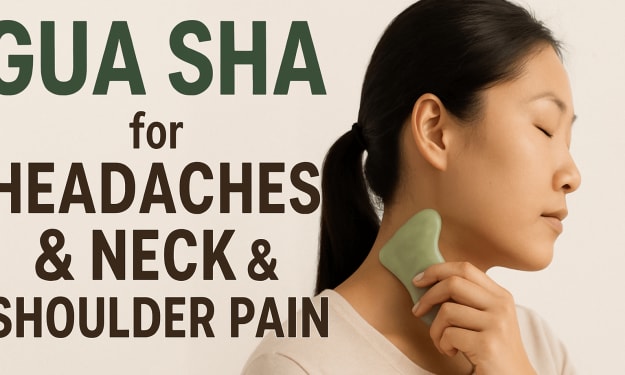
In today’s society, Gua Sha has become part of the growing health economy. Beauty brands market crystal Gua Sha tools in various shapes and materials, turning a simple therapeutic practice into a global consumer product. The commodification of Gua Sha reflects broader trends in wellness culture, where ancient practices are rebranded for modern lifestyles.
At the same time, Gua Sha plays a role in shaping cultural confidence. Its international recognition contributes to the global influence of Chinese medicine and heritage. For many, practicing or promoting Gua Sha is also about embracing cultural identity and bridging traditional wisdom with modern innovation.
Conclusion
Gua Sha is no longer confined to its role as a folk therapy; it is now a cultural phenomenon with social, economic, and global significance. As it continues to spread, the practice stands at a crossroads between tradition and modernity, experience and science, East and West. Its future likely lies in a combination of scientific research, international dialogue, and lifestyle integration. Beyond a wellness trend, Gua Sha represents the resilience and adaptability of cultural practices in an interconnected world.
About the Creator
VFX in Education Market to Reach USD 6.9 Bn by 2034, Driven by Immersive Learning Demand
Introduction The VFX in education market refers to the integration of visual effects technologies into formal and informal learning environments. It encompasses tools, software, and course content that use visual effects to create realistic simulations, animated visualizations, and interactive learning aids. These elements are designed to help students grasp complex concepts more easily and support educators in delivering engaging lessons.
By Roberto Crum7 days ago in Education
Olena Kalaitan on Mariupol, Journalism, Language, and War in Ukraine
Olena Kalaitan is a Ukrainian journalist and editor best known for leading Mariupol’s Pryazovskyi Robochyi newspaper and heading the Donetsk regional organization of the National Union of Journalists of Ukraine. During Russia’s 2022 siege of Mariupol, she stayed in the city for 23 days, survived the destruction of her home, and escaped on foot with her son. She later became a prominent voice for displaced journalists, media freedom, and the revival of independent Ukrainian journalism in occupied and war-affected regions. Kalaitan has also warned publicly against Russian propaganda issued under the stolen name of her newspaper during wartime occupation there.
By Scott Douglas Jacobsenabout 4 hours ago in Education


Comments
There are no comments for this story
Be the first to respond and start the conversation.