
Grow Saffron Hydroponically Review
Saffron Hydroponics


Grow saffron hydroponically is one of the new methods of growing saffron which has been much discussed in the saffron community but has not yet been fully confirmed. Let's be clear first, we have some concerns about the risks and cost of this method, and for this reason, we can't recommend it simply.
Do the voices of the old men come?
Yes, we must be careful not to endanger anyone with the wrong advice. But you can be brave and start some limited and controlled experiments and we will be by your side.
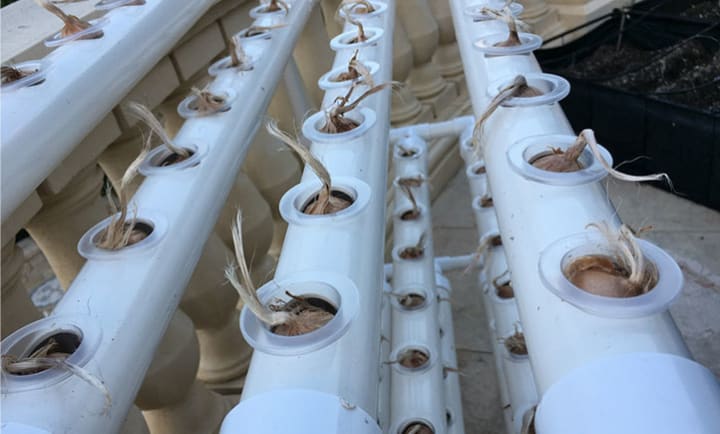
Growing Saffron Hydroponics
We have 2 main greenhouse saffron cultivation methods:
- Grow saffron aeroponic
- Grow saffron hydroponic
The aeroponic method is based on feeding saffron plants by vapors and air droplets and has special advantages and risks. In this method, we can control the weather conditions when harvesting saffron and increase the yield of the saffron farm.
Imagine you are living in an area with heavy winter rains and this leads to destroying some parts of your products and it will be extremely difficult to harvest saffron. In this condition, you can use greenhouse methods and protect your products.
Hydroponic methods are in development and now, we can use them in the saffron planting process. In this method, we can grow saffron hydroponics and benefit from its advantages. This is our desire to can grow saffron in wet or very cold areas, and now we can do this.
Maybe, the big difference and advantage of this method in comparison to the aeroponic method is no need to transfer saffron bulbs between the field and the greenhouse. But this method has not yet been fully tested and proven, and in fact, everything should be first test complete and then be recommended to others.
1. Advantages
Hydroponic saffron cultivation provide some advantages for the saffron farmers and the brief of these advantages are as follows:
- The high density of saffron planting
- Reduce water consumption
- Reduce infections and diseases
- Possibility of producing organic saffron
- Control of environmental conditions and temperature
- Grow saffron in the coldest and even wettest places
- No need for land in the advanced method
In another word, we have some challenges and problems in the traditional saffron planting method which this greenhouse method can solve, and the most important of them is controlling adverse weather conditions.
Also, this method helps us to grow organic saffron. As you know, the main source of infections and diseases is soil and if we grow saffron hydroponically, we will eliminate the most important source of pollution, so, we will not need to use pesticides and we will have organic saffron.

2. Risks
Every solution may have some risks and planting hydroponic saffron is no exception to this rule, some of growing saffron hydroponically risks are as follows:
- Need a high investment in the starting work
- Need to experts human source
- The final saffron quality will not be better than cultivation in soil
- Limit in using saffron harvesting machines
Planting saffron hydroponically needs significant investment to get started and this is a big risk for something that is still in the testing phase, we should be aware of the cost of equipment and construction of a greenhouse and try to optimize and reduce them.
Also, we can't use saffron harvesting machines in this method, and may we need some human force for harvesting saffron process.
3. Results Reported
The result reported of this method shows that the quality of hydroponic saffron is not better than soil planted saffron and this is because of the basicity of this method and the need for further research and studies.
Of course, there are multiple reports that refer to the high efficiency of this method but based on our experience, these reports are not valid and are designed solely to increase sales of saffron cultivation greenhouse equipment.
The Outline
Now, this is the time of designing an outline for growing saffron hydroponically to have a clear insight about how to plant hydroponic saffron.
1. Suitable Hydroponic System
There are multiple hydroponics systems that we can use in saffron greenhouse, but one of the most efficient of these systems is the NFT hydroponic system.
Discussing hydroponic systems is beyond our expertise, so please follow this from other specialized sources.

2. Nutritional Solution
There is a simple principle in this mechanism, create similar soil conditions for plant growth in the most efficient way possible. For example, we should provide a balanced concentration of elements to have the highest rate of saffron flowering and decreased growth of vegetative parts of the plant.
Some of the important nutrient elements that we should provide and optimize are N, P, k, Fe, Zn, S, B, Cu, and Ca. These elements are necessary to plant growth and naturally present in the soil and if we want to grow saffron without soil, we should supply a proper combination of all materials in the soil.
Also, we should optimize water EC and PH to have the best performance. In the saffron planting case, we should provide (EC < 2 and PH = 5.5).
This system actually gives us a great opportunity to plant plants. We now have the opportunity to create the best possible condition for plant growth. Maybe you can never optimize vegetative growth and effective growth in the soil, but hydroponic systems can do this for us.
3. Adjust Temperature and Light
The Saffron plant is very sensitive and relative to the temperature and light, so, we should provide enough light and temperature to grow saffron hydroponically. Depending on the time we choose to start flowering, we must reduce the temperature to zero degrees Celsius for a few days and at the same time provide nutrient elements in the water for feeding saffron seeds.
Imagine you want to start flowering time in the next 10 days, you should decrease the temperature to under zero degrees Celsius for 3 to 5 days and start feeding bulbs with water and nutrient elements. Your saffron flower blooms in the next few days and you can harvest them.
Saffron plants need long light in days and we should provide more than 10 hours of light per day to it have good growth. This light can be provided by sunlight or even artificial lights in the greenhouse space.
4. Transfer Saffron Bulbs
In general, we have one move of saffron bulbs from the greenhouse to the agricultural land in the greenhouse saffron cultivation methods, but some of the farmers could find some solutions to avoid this moving and solved one of the biggest risks of greenhouse saffron production.
Our team is still researching this but we will provide more information soon.

Conclusion
Growing saffron hydroponically can solve many of our problems in the traditional saffron planting methods, such as bad weather conditions, soil Salinity, producing organic saffron, etc. But our information about this method and its risk is not enough and we should do more tests and solve the risks.
There are many people who sell only dreams and along with this sweet dream also sell saffron greenhouse construction equipment, please get enough insight first before doing anything.
About the Creator
kohan rishe
Reference for education and researches related to the saffron industry and cooperation in the development and growth of saffron businesses.
Keep reading
More stories from kohan rishe and writers in Education and other communities.
Saffron Bulbs, Crocus Sativus Bulbs
Saffron bulbs are the heart of the saffron industry and play a central role in this field. The first thing that we need for growing saffron is some Crocus Sativus bulbs, you should know the best time for buying and planting them is in summer because saffron growth period seasons are fall and winter.
By kohan rishe4 years ago in Feast
📢 Raise Your Voice Thread: 03/05/2026
Our “Raise Your Voice Threads” are hosted most alternating Thursdays at 12PM ET to offer creators more avenues to uncover exceptional stories on Vocal. As we are continuously searching for fresh creators and inspiring stories, this thread provides an opportunity to exchange and discuss the stories that have moved and motivated us on Vocal.
By Raise Your Voice by Vocal2 days ago in Resources




Comments
There are no comments for this story
Be the first to respond and start the conversation.