
Ground Mounted Solar: Powering the Next Phase of Renewable Growth
Ground Mounted Solar

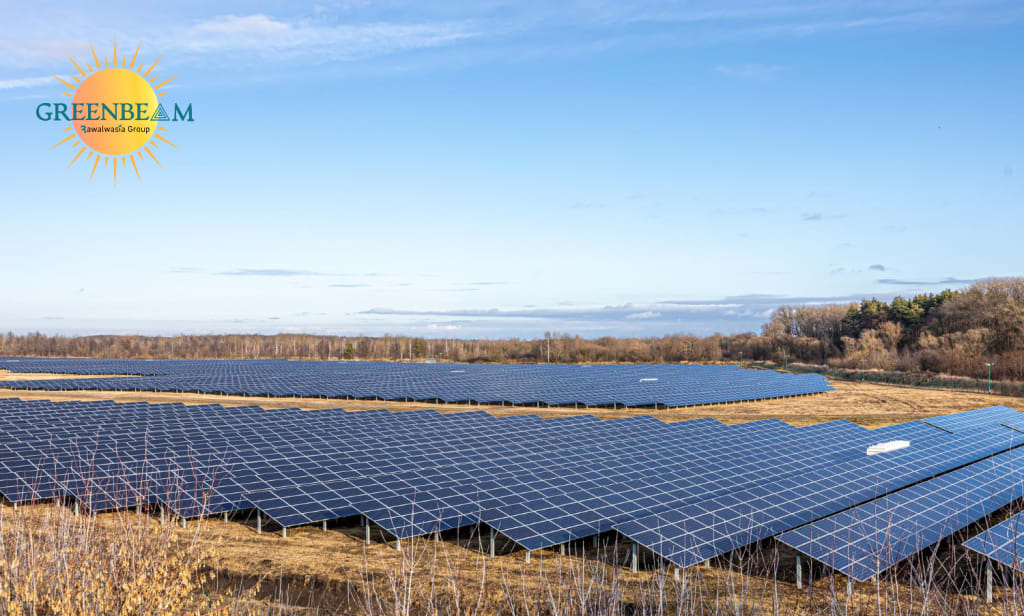
The Rising Dominance of Ground Mounted Solar in the Clean Energy Transition
With the world moving fast toward renewable energy, ground mounted solar systems have become a vital force in the clean energy movement. The worldwide ground mounted solar market is likely to expand hugely, reaching $9.65 billion by 2027 with a compound annual growth rate (CAGR) of 9.56% between 2022–2027, says IndustryARC. This huge growth is both the result of technology improvements and increased demand for consistent, large-scale solar solutions by industries.
What is Ground Mounted Solar?
Ground mounted solar panels are not installed on rooftops but rather directly on the ground, which makes them suitable for open land like industrial grounds, utility-scale solar farms, and big commercial estates. Ground mounted systems provide more energy yields because of the better orientation of panels as well as the least amount of shading. Ground mounted solar can be divided into two broad categories based on design choices and energy needs.
Fixed Tilt Systems – Panels are mounted at a specific angle to optimize sun exposure.
Solar Tracker Systems – Single-axis or dual-axis tracking technology is installed, allowing panel orientation to be changed during the day, up to 30% boosting energy production.
Ground-mounted panels are usually pitted against pole-mounted panels; however, they provide the benefit of direct placement on the ground, making infrastructure requirements easier and lowering mounting expense in favorable landscapes.
Key Market Drivers Driving Growth
1. Increasing Demand for Clean Electricity
Governments and industries across the globe are establishing ambitious net-zero carbon targets. Consequently, solar energy uptake keeps growing. Solar systems installed on the ground, with their scalability and efficiency, are especially popular for utility-scale power generation. These systems allow for high-volume energy generation, making them a popular option for solar parks and large industrial users.
2. Technological Advancements
Solar technology innovation is improving system efficiency and energy output. New ground mounting systems use single-axis and dual-axis trackers, which maximize sun exposure and boost efficiency by 10% to 30%. Such a performance improvement is especially valuable in high-solar-radiation areas, reducing the Levelized Cost of Energy (LCOE) and enhancing return on investment.
3. Innovation in Materials to Improve Durability and Efficiency
Increasing usage of crystalline silicon panels (polycrystalline and monocrystalline) is on the rise because of their higher conversion rates and cost-effectiveness. The panels, when integrated with robust metal frames like aluminum or galvanized steel, make the system more resistant to weather conditions. Better materials also help in increasing system lifespan and decreasing maintenance expenses, making solar investments more viable for utilities and businesses.
4. Commercial and Industrial Adoption on the Rise
Apart from utility-scale applications, commercial segments including hospitals, schools, shopping malls, and warehouses are increasingly in need of ground mounted solar. Companies are opting for solar more and more with the view of becoming energy-independent, lowering their costs, and meeting Environmental, Social, and Governance (ESG) regulations. As corporations seek to decrease operational costs as well as carbon emissions, ground mounted solar serves as an excellent option for achieving long-term sustainability objectives.
Market Segmentation: Understanding the Key Segments
The ground mounted solar industry is diverse, cutting across several industries and consumer requirements. Below is a picture of the major segmentation factors:
Panel Material:
Crystalline Silicon (Monocrystalline, Polycrystalline)
Metal Frame (Aluminum, Galvanized Steel)
Glass Sheet
Tracking System:
Fixed Tilt
Single-Axis Tracker
Dual-Axis Tracker
Power Rating:
<2 Megawatts
2–4 Megawatts
4 Megawatts
End-User Segments:
Residential – Small-scale solar farms for domestic use.
Commercial – Companies investing in solar for energy savings and sustainability.
Industrial – Factories and manufacturing facilities incorporating solar to fulfill energy needs.
Utility – Utility-scale projects for the purpose of injecting energy into the power grid.
Opportunities and Challenges in the Market
While impressive, growth of ground mounted solar is hindered by certain challenges that must be overcome by the industry:
Land Availability and Regulations
Land acquisition for solar farms is still a problem in populated areas. Land-use laws and policies across governments affect approvals and lead times of projects. Nonetheless, recent innovations in agrivoltaics (joint use of land by agriculture and solar) are solving land usage efficiency challenges creatively.
Initial Investment and Infrastructure Costs
Even with falling prices for solar panels, initial investment for ground mounted systems such as installation, grid connection, and maintenance can be high. That being said, declining solar financing costs, tax credits, and government incentives are offsetting these capital obstacles, and solar projects are becoming more affordable for companies and investors.
Integration with Energy Storage
With increasing adoption of solar power, energy storage options like battery storage systems are becoming popular. Combining storage with ground mounted solar increases the reliability of energy by solving intermittency problems, providing continuous power supply even in low sunlight conditions.
Future Outlook: What Lies Ahead?
As the globe adopts cleaner energy alternatives, ground mounted solar will be at the center of redefining the renewable energy frontier. The sector is projected to continue growing, motivated by:
Technological Breakthroughs: Improvement in the efficiency of solar panels, tracking systems, and battery integration.
Policy Initiatives: The governments of all countries are promoting clean energy uptake in the form of tax incentives, feed-in tariffs, and mandatory renewable energy requirements.
Decreasing Installation Costs: Ongoing advances in materials and manufacturing technology are reducing the cost of solar.
Corporate Pledges: Companies are more and more making carbon-neutral commitments, and solar is becoming an integral part of their sustainability plans.
Conclusion: A Solar-Powered Future
With its scalability, improved efficiency, and decreasing installation cost, ground mounted solar is a perfect energy solution for high-demanding industries. With technological innovations still ongoing and investment in solar infrastructure increasing, the market is anticipated to see strong growth in the future.
For governments and businesses seeking to tap into renewable energy, ground mounted solar is an attractive opportunity—not only for saving costs over the long term, but also for creating a cleaner, greener, and more sustainable energy future.
Let's keep going forward—driven by the sun. ☀️
Source: : https://www.industryarc.com/Report/19371/ground-mounted-solar-market.html
#GroundMountedSolar #SolarEnergy #Renewables #CleanEnergy #GreenTechnology #UtilityScaleSolar #Sustainability #EnergyTransition #SolarPower #ClimateAction #NetZero
About the Creator
Keep reading
More stories from Rawalwasia Group and writers in Education and other communities.
Boost Efficiency & Save Costs with a Solar System for Factory
The Definitive Guide to Solar System Installation for Factory Processes Introduction Energy costs are a top concern for factory owners in today's industrial environment. A solar system for factory operations is an environmentally friendly and cost-cutting measure for electricity savings while ensuring sustainability. With new technology in the field of solar, factories can now utilize the power of the sun to fuel machinery, lighting, and other critical processes.
By Rawalwasia Group11 months ago in Education
The Great Library of Imagination*:
The Great Library of Imagination In the heart of the city, where the streets were lined with ancient trees and the buildings whispered secrets to each other, there was a small, unassuming door tucked away in a narrow alley. The door was old and worn, with intricate carvings of fantastical creatures and symbols that seemed to shift and shimmer in the flickering light of the street lamps. Few people noticed the door, and even fewer knew what lay beyond it.
By Talhamuhammad4 days ago in Education
Not Just For Clean Up: A History Of The MCU's Department of Damage Control
Initially an organisation that seemed to exist to help the heroes of the Marvel Cinematic Universe, from Phase Four onwards, the Department of Damage Control has shifted into a more antagonistic role. Most recently seen in the Wonder Man series, the current incarnation of Damage Control seems to target superpowered individuals, regardless of whether that person poses an active or intentional threat.
By Kristy Andersonabout 11 hours ago in Geeks




Comments
There are no comments for this story
Be the first to respond and start the conversation.