


Green energy, also known as renewable energy, refers to energy generated from natural resources that are constantly replenished and have a minimal impact on the environment. Some examples of green energy sources include solar, wind, hydro, geothermal, and biomass.
In recent years, there has been a growing concern about the impact of climate change, and the need to transition to a more sustainable energy system. The United States is one of the world's largest energy consumers, and as such, has a crucial role to play in promoting green energy use and reducing carbon emissions.
However, the transition to green energy is not without its challenges, and there are several issues that need to be addressed in the US. One of the most significant issues is the cost of renewable energy. Although the cost of renewable energy has been declining in recent years, it is still more expensive than fossil fuels. As a result, many consumers and businesses are hesitant to make the switch to green energy.
Another issue is the lack of adequate infrastructure to support the widespread use of green energy. For example, the US power grid was built to support traditional power sources, and as such, may not be able to handle the intermittent power output from renewable sources such as wind and solar.
In addition, there are political challenges to the adoption of green energy in the US. While there is growing bipartisan support for renewable energy, there are still political and ideological divides that make it difficult to pass legislation that promotes green energy use. The current political climate in the US also poses challenges, with the Biden administration making moves to promote green energy and reduce carbon emissions, but also facing opposition from some states and industries.
There are also concerns about the environmental impact of some green energy sources. For example, large-scale wind and solar farms can have a significant impact on local ecosystems, and the production of biofuels can lead to deforestation and other environmental issues.
Despite these challenges, there are also many opportunities for green energy in the US. The US has vast renewable energy resources, including some of the world's largest wind and solar resources. In addition, the growth of green energy has the potential to create jobs and stimulate economic growth.
To address the challenges and seize the opportunities of green energy in the US, several steps need to be taken. One key step is to invest in research and development to drive down the cost of renewable energy and improve its efficiency. Another important step is to invest in the infrastructure needed to support the widespread use of green energy, including upgrading the power grid and building more renewable energy facilities.
In addition, there needs to be continued political support for green energy, including policies that promote its use and reduce carbon emissions. This can include measures such as tax incentives for renewable energy, regulations to limit carbon emissions from fossil fuels, and support for research and development of new green technologies.
Overall, the transition to green energy in the US is a complex and multifaceted issue that requires a coordinated effort from government, industry, and society as a whole. While there are challenges to be overcome, there are also many opportunities to create a more sustainable and prosperous energy future for the US and the world.
About the Creator
Zain Sikander
Green environments refer to natural spaces that are abundant in vegetation and biodiversity, providing a range of benefits for human health and well-being.
Keep reading
More stories from Zain Sikander and writers in Education and other communities.
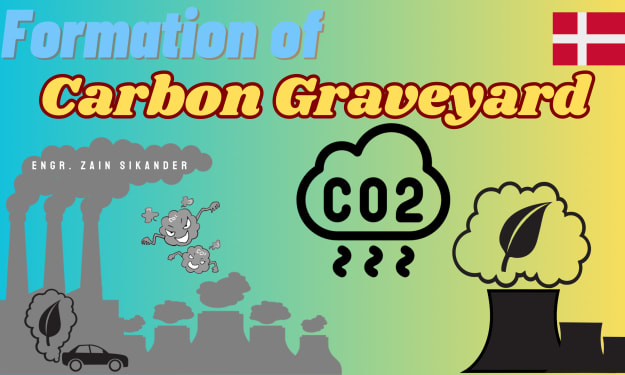
Carbon Graveyard - Denmark
Formation of Carbon Graveyard: The Carbon Graveyard in Denmark is a unique and fascinating geological formation located on the island of Fur in the Limfjord region. It is an ancient deposit of carbon-rich material that has been preserved for millions of years and provides valuable insights into the geological history of the region and the processes that have shaped the earth over time.
By Zain Sikander3 years ago in Earth
Golf Handicap Reduction Without a Swing Overhaul: Smarter Ways to Play Better Golf
Lowering your handicap does not always require technical changes or hours on the range; it requires rebuilding your swing. Many golfers overlook the fact that scoring improvement often comes from strategic thinking, mental discipline, and better preparation. By focusing on how you play rather than how you swing, you can unlock consistent progress and enjoy the game more. This article explores practical, on-course methods that help you shoot lower scores while keeping your swing exactly as it is.
By Ian Schenkel Haliburton6 days ago in Education
The Editorial Stack: Building Content Teams for the Multi-Platform Era
In an age where content travels across screens, feeds, formats, and audiences in real time, the old newsroom model no longer fits the demands of digital publishing. Today's media landscape requires more than great writers and sharp editors—it demands a multi-disciplinary, agile, and strategically aligned editorial stack. From video producers to data analysts, newsletter editors to TikTok creators, modern content teams must be designed with versatility and collaboration at their core.
By James Kaminsky7 days ago in Education
Thoughts on Vocal and the way the world is
"Death cannot stop true love, only delay it." – Wesley in The Princess Bride. I decided to come back to Vocal on a very cold and dark night at the end of December. I had been, and still am, convalescing from a horrible staph infection that had gone misdiagnosed for months. This, paired with the increasing challenges of being healthy, making the best choices for my co-parented child, being a wife, and being a director at a new job, was a lot to manage.
By Jazzy 7 days ago in Confessions


Comments
There are no comments for this story
Be the first to respond and start the conversation.