
Green Energy Projects Worth Billions Stuck On Hold
Green Energy Projects

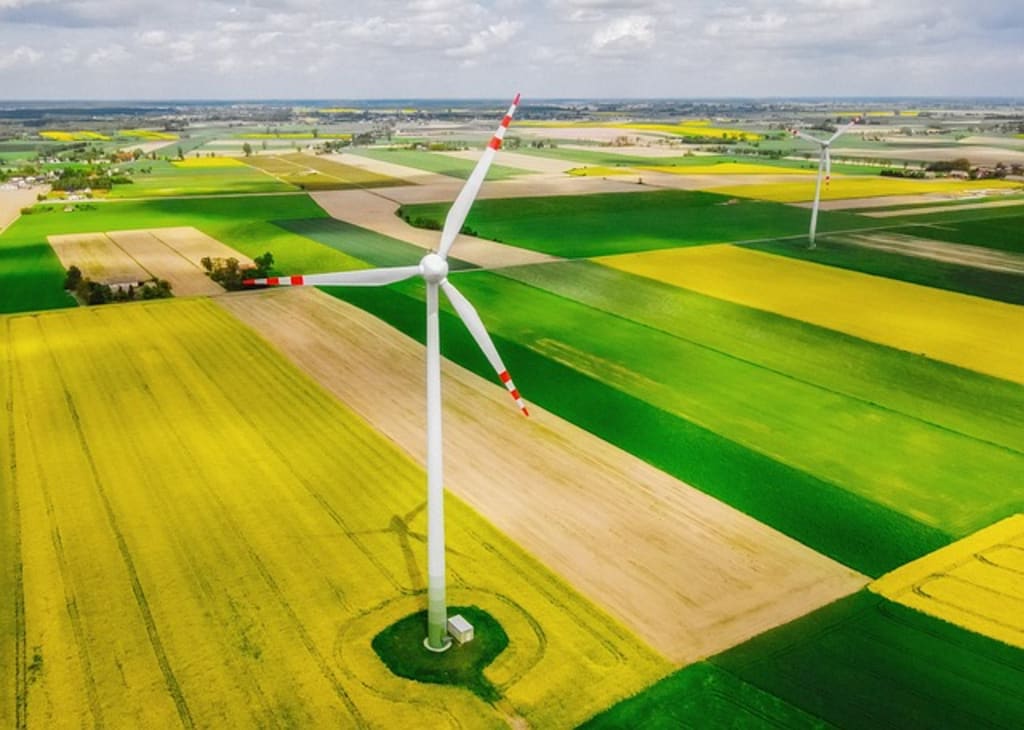
Green energy refers to energy that is generated from renewable sources, such as wind, solar, hydro, geothermal, and biomass, and which has a lower impact on the environment compared to traditional fossil fuels like coal, oil, and natural gas. Green energy is often referred to as "clean" energy because it produces fewer greenhouse gas emissions and pollutants than traditional energy sources, and can help mitigate climate change.
The development of green energy technologies has grown rapidly in recent years, driven by the need to reduce greenhouse gas emissions and the increasing demand for sustainable and affordable energy sources. Green energy is becoming increasingly competitive with traditional energy sources, and in many cases is already cheaper than fossil fuels.
Some common examples of green energy projects include solar and wind farms, hydroelectric power plants, geothermal energy systems, and biomass plants. These projects can range from small-scale residential installations to large-scale commercial operations, and can provide a range of benefits including reduced energy costs, improved energy security, and environmental benefits.
Financing: Green energy projects can be expensive to finance, and sometimes funding can be difficult to secure. Investors and lenders may be hesitant to invest in a project if they feel it is too risky or if the expected returns are not high enough.
Government regulations and policies: Government policies and regulations can also impact the development of green energy projects. For example, if there are not enough incentives for developers to invest in green energy, or if there are regulatory hurdles that make it difficult to obtain necessary permits, the project may be delayed or put on hold.
Technical challenges: Green energy projects can be complex and require advanced technology. If there are technical challenges that cannot be overcome, the project may be delayed or cancelled.
Supply chain issues: Sometimes, green energy projects are put on hold due to supply chain issues. For example, if there are delays in the delivery of key components or if there are shortages of raw materials, the project may be delayed.
Local opposition: Finally, green energy projects can face opposition from local communities or environmental groups. If there is significant opposition to the project, it may be delayed or cancelled altogether.
Overall, there are many factors that can impact the development of green energy projects, and it is important to carefully evaluate each project on a case-by-case basis.
There could be several reasons why green energy projects are put on hold, including:
Regulatory issues: Green energy projects are subject to various regulations at the local, state, and federal levels. Any delays in obtaining necessary permits or approvals can cause projects to be put on hold.
Funding challenges: Green energy projects often require significant upfront investment, and funding can be difficult to secure. If funding falls through or is delayed, projects can be put on hold.
Technical difficulties: Green energy projects often involve complex engineering and technology. If technical issues arise or solutions take longer than anticipated, projects can be put on hold.
Political uncertainty: Changes in government policy or leadership can create uncertainty around the future of green energy projects, leading to delays or cancellations.
Public opposition: Green energy projects can face opposition from local communities or interest groups concerned about their environmental impact or other issues. This opposition can lead to delays or even cancellations of projects.
Green energy projects worth billions being stuck on hold is a concerning issue for the transition to a more sustainable future. Such projects are essential for reducing greenhouse gas emissions and mitigating climate change. The reasons for these projects being on hold can vary, from regulatory issues to funding challenges, technical difficulties, political uncertainty, and public opposition. It is important for stakeholders to address these issues promptly and find solutions to move these projects forward, as the development and implementation of green energy projects are crucial for a sustainable future.
About the Creator
aman wazir
I create written content for various media, such as websites, blogs, social media, and marketing materials. This includes researching topics, developing ideas, writing content, and editing and proofreading work.
Keep reading
More stories from aman wazir and writers in Education and other communities.
Imran Khan Role In Pakistan
Imran Khan is the Ex Prime Minister of Pakistan, having taken office on August 18, 2018. His role as the head of government is to lead the country and make decisions on behalf of the government, in consultation with his cabinet and other advisors.
By aman wazir3 years ago in Journal
Creating a Calm and Confident Path Toward Retirement
Retirement planning often feels intimidating, especially when people imagine complex calculations and uncertain outcomes. However, when you approach the process with clarity and patience, it becomes far more manageable. Instead of focusing on stress, thoughtful planning helps you feel confident about the future you are building.
By Michael Petruska7 days ago in Education
The Night of Mi‘rāj: A Journey Beyond Time, Space, and Human Imagination
Mi‘rāj — A Night That Reshaped Human Understanding Among all the extraordinary events recorded in Islamic tradition, Mi‘rāj stands as one of the most profound. It is not merely a journey; it is a moment when the boundaries of time, space, and perception were transcended by the Prophet Muhammad ﷺ through the will of God.
By Muhammad Islam khan swati7 days ago in Education
Smart phones, Humans and Aliens.
WARNING. I will be tapping into one of your favorite creative tensions: The absurdity of humans worshipping their glowing rectangles as if they were tiny oracles. There’s something deliciously poetic about that contradiction, and it lends itself beautifully to an instructive proviso.
By Novel Allen4 days ago in Poets



Comments
There are no comments for this story
Be the first to respond and start the conversation.