
Global Heatwave Shatters Records as Climate Crisis Intensifies
July 2025 becomes the hottest month ever recorded, sparking health warnings, wildfires, and urgent calls for climate action across the globe.

Historic Temperatures Grip the Globe
July 2025 has officially gone down as the hottest month ever recorded in human history, according to preliminary data released by the World Meteorological Organization (WMO). Cities across the world have reported blistering heatwaves, with temperatures in parts of Southern Europe, the Middle East, and the American Southwest surpassing 50°C (122°F), prompting widespread health alerts and power grid failures.

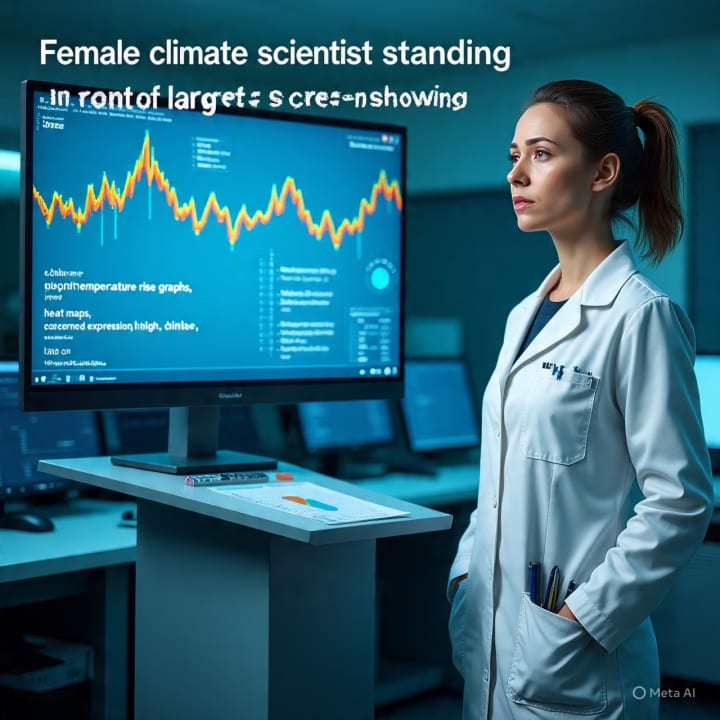
“This is not just another hot summer,” said Dr. Leila Ahmed, a climate scientist with the WMO. “We are witnessing the fingerprints of climate change with alarming clarity. The frequency, duration, and intensity of heat events are all accelerating.”
Public Health Systems Under Strain
Hospitals in cities like Phoenix, Rome, and New Delhi have reported record numbers of heat-related emergencies. In some areas, the heat index — a measure of how hot it feels when humidity is factored in — climbed so high that it exceeded standard measurement charts.
In Spain, health authorities declared a nationwide emergency after over 2,300 people were hospitalized in just one week due to heatstroke, dehydration, and respiratory complications.
"Air quality has significantly deteriorated due to the combination of heat and stagnant air," said Dr. Mateo Ruiz of Madrid’s public health department. "Vulnerable populations — especially the elderly, children, and outdoor workers — are at extreme risk."
Wildfires and Infrastructure Collapse
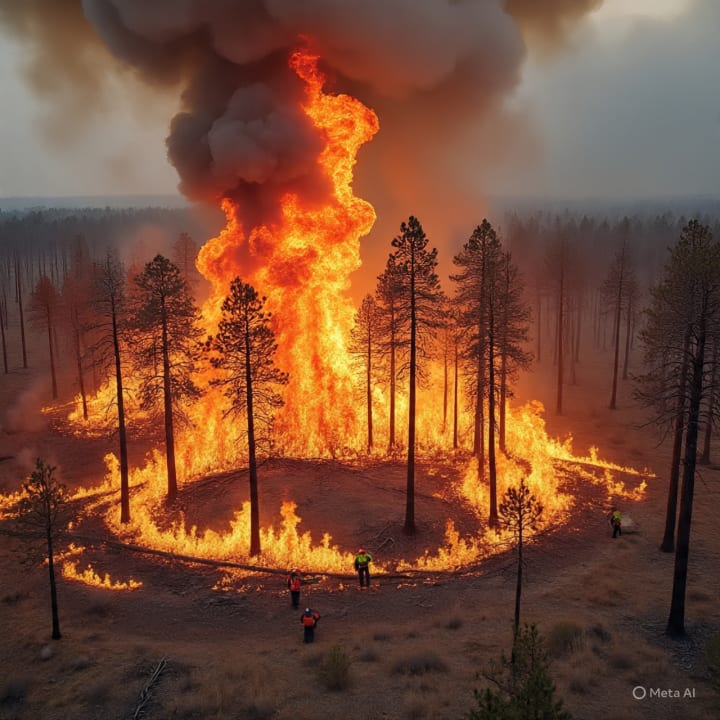
From California to Greece, wildfires have raged uncontrollably, fueled by dry conditions and intense heat. In Canada, the province of British Columbia has declared a state of emergency after over 300 wildfires were reported in just 10 days. Several communities have been evacuated, and the smoke has blanketed large portions of North America.
Meanwhile, infrastructure in many cities is beginning to crack — literally. Roads in Texas have buckled under the pressure of extreme surface temperatures, while power grids in Egypt and parts of India have suffered repeated blackouts as demand for air conditioning soars beyond capacity.

Economic Impact and Energy Crisis
The economic toll of the heatwave is already being felt. Agricultural sectors across Europe and Asia are bracing for significant crop losses. Wheat yields in China and Italy are projected to decline by as much as 25% due to drought and heat stress.
The energy sector is also under immense pressure. In the U.S., rolling blackouts were initiated in several states as power consumption reached unprecedented highs. The International Energy Agency (IEA) warned that countries relying on fossil fuels for power are particularly vulnerable.

“Extreme heat exposes the fragility of systems we take for granted,” said Fatih Birol, Executive Director of the IEA. “This is a loud wake-up call for investment in climate-resilient and renewable energy infrastructure.”
Global Response: Too Little, Too Late?
Despite years of climate warnings, many experts argue that governments have been slow to act. Last week, the UN Secretary-General António Guterres issued a dire statement, calling the current conditions “climate collapse in real time.”
He urged world leaders to accelerate their commitments under the Paris Agreement and to phase out fossil fuels “immediately and completely.”
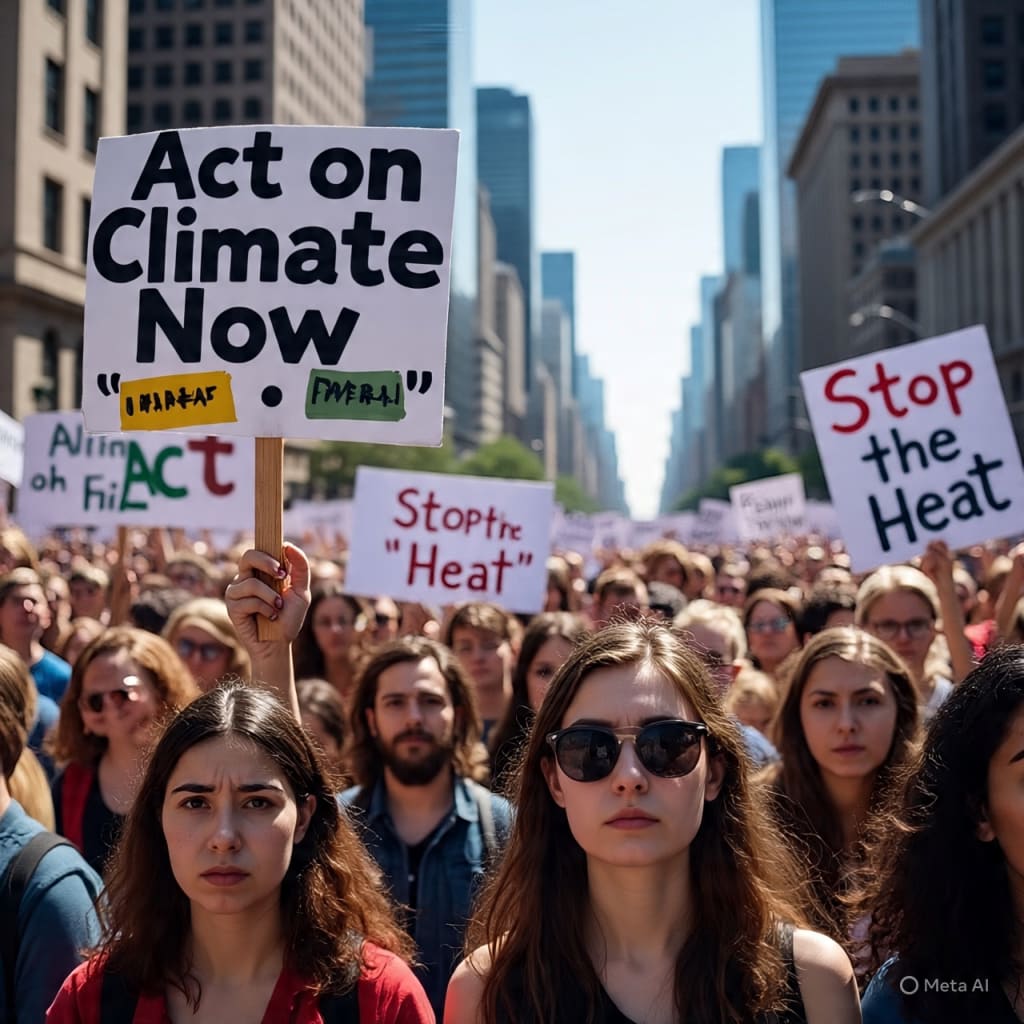
Protests have erupted in several major cities, including Berlin, São Paulo, and Tokyo, where activists accuse their governments of prioritizing economic interests over environmental and public health.
Looking Ahead
Meteorologists warn that August could be even hotter if current trends persist. The El Niño phenomenon, which warms ocean waters and typically leads to hotter global temperatures, is expected to peak in late summer, exacerbating already dire conditions.

Scientists stress that while short-term weather events can be unpredictable, the long-term trend is clear.
“This isn’t just a bad summer,” said Dr. Ahmed. “This is what the climate crisis looks like — and unless we act now, it’s only going to get worse.”
Conclusion
The July 2025 heatwave has offered a sobering preview of a future shaped by unchecked climate change. As wildfires rage, power grids falter, and health systems buckle, the need for coordinated global climate action has never been more urgent. With August on the horizon and no relief in sight, the world watches — and waits — for leaders to respond with the seriousness this crisis demands.
About the Creator
Keep reading
More stories from MoneyOrbit and writers in Education and other communities.
The Last Light of Summer
The Last Light of Summer In the small, quiet town of Willowbrook, the days had started to lose their golden warmth, giving way to the crisp whispers of autumn. The last vestiges of summer clung to the air, though, lingering like a sweet memory. It was the kind of late afternoon when the light poured through the trees, turning the leaves into molten gold. And in that fleeting moment, Eleanor stood at the edge of the old stone bridge that spanned the slow-moving river, watching as the sun dipped lower on the horizon.
By MoneyOrbit6 months ago in Education
Was Alexander the great really that great?
Order, order! Who do we have on the stand today? Alexander... the Great, eh? Well, what’s so great about him? Your honor, the better question is, what's not great about him? He was the King of Macedon and considered a living demigod by Egyptians and Greeks alike. He conquered Persia when it was one of Earth's largest empires. And he was a thoughtful student of Aristotle, creative enough to untie the impossibly tight Gordian knot by cutting it in half. The Gordian knot is a myth— just like the countless other stories invented to enhance Alexander’s legend!
By Munesh Yadavabout 15 hours ago in Education
The 1793 Chain Cent: America's First Large-Scale Copper Coin
Holding a 1793 Chain Cent is like holding the first argument of a new nation. More than just America’s first mass-produced penny, this coin is a piece of history that sparked public debate, fueled by a design many found utterly wrong. Its story—from a chaotic mint to a collector's dream—explains why it remains one of the most coveted pieces in all of American numismatics. This guide will walk you through its turbulent birth, teach you to spot the tiny detail that can mean a fortune, and explain what truly makes it valuable.
By Laura Bennett4 days ago in Education



Comments
There are no comments for this story
Be the first to respond and start the conversation.