
Global Economy: Current Trends, Emerging Challenges, and Future Prospects
Exploring global economic shifts, key challenges, and strategies for a resilient future.

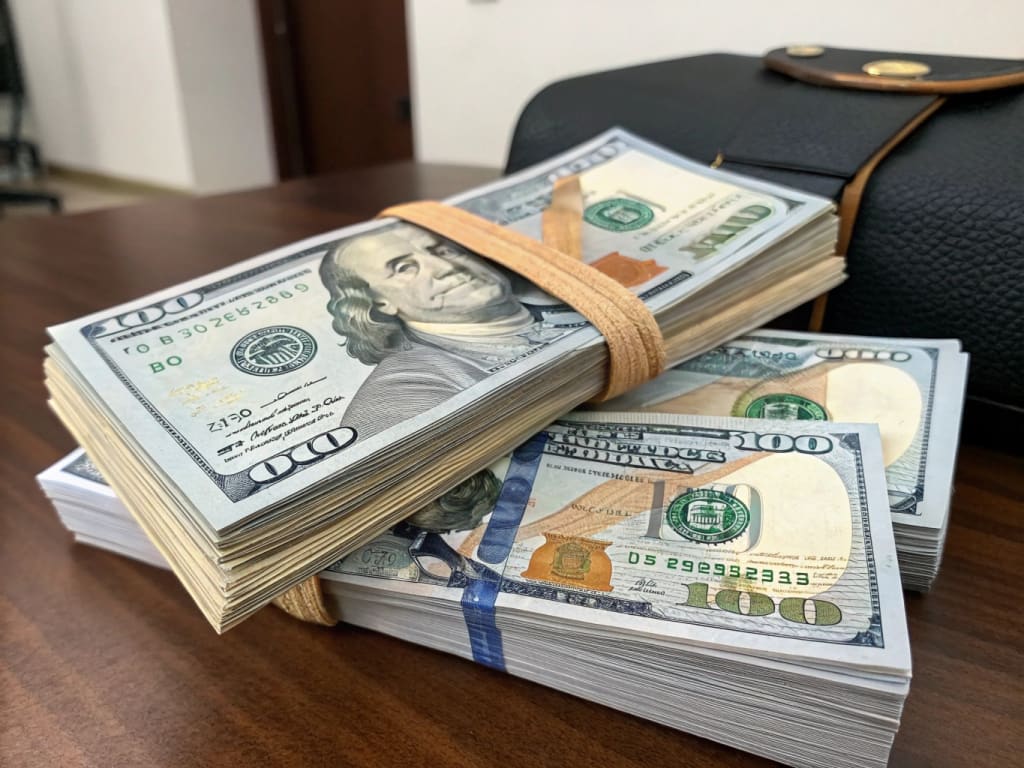
The Global Economy: Current Trends, Challenges, and Future Directions.
The global economy represents a complex and interconnected system comprising national economies, industries, markets, and financial institutions. It is influenced by international trade, technological advancements, policy choices, and social changes. In recent years, the economic landscape worldwide has undergone significant transformations due to various factors, including the COVID-19 pandemic, geopolitical tensions, inflationary pressures, and climate change.
These events have profoundly affected both developed and developing countries, reshaping growth patterns, employment dynamics, and international collaboration. The COVID-19 pandemic marked a critical juncture that disrupted supply chains, resulted in widespread job losses, and revealed weaknesses in healthcare systems and labor markets. In response, governments and central banks worldwide implemented substantial fiscal and monetary stimulus measures.
However, the impact of the pandemic was not uniform; advanced economies with greater access to vaccines and financial resources experienced a quicker recovery, while low-income nations faced challenges related to debt and limited access to global assistance. The recovery phase following the pandemic saw a spike in demand that further strained global supply chains and contributed to rising prices.
Inflation has emerged as a significant concern for the global economy in recent years. As economies reopened, demand exceeded supply, resulting in price hikes for essential commodities such as food, energy, and housing. In response, central banks, including the U.S. Federal Reserve and the European Central Bank, raised interest rates to control inflation. While these actions have been effective in curbing inflation in many areas, they have also heightened the risk of slowing economic growth and potentially triggering recessions, particularly in nations with substantial debt levels.
Geopolitical tensions, notably the ongoing conflict between Russia and Ukraine, have significantly influenced the global economy. This war has disrupted energy supplies, particularly in Europe, leading to a worldwide energy crisis. As a result, numerous European nations have had to decrease their reliance on Russian oil and gas, which has driven up energy prices and sparked a renewed emphasis on alternative energy sources. Furthermore, the conflict has impacted global food supplies, given that both Russia and Ukraine are key exporters of wheat, corn, and fertilizers. Developing countries that rely on these imports are experiencing severe food insecurity and escalating costs.
Another critical factor influencing the global economy is the transition towards green and sustainable development. With the climate crisis becoming more urgent, nations are compelled to lower carbon emissions, invest in renewable energy, and shift towards low-carbon industries. The drive for sustainability presents not only an environmental necessity but also an economic opportunity. The green economy is generating new employment in sectors such as renewable energy, electric vehicles, sustainable agriculture, and environmental services. However, this transition demands substantial investment, supportive policies, and international collaboration, especially to ensure that developing nations are not marginalized.
Technological progress continues to be a double-edged sword for the global economy. On one side, advancements in artificial intelligence, automation, and digital finance are enhancing productivity and creating new market opportunities. Conversely, these developments are disrupting traditional industries and raising concerns regarding job displacement, income inequality, and data privacy. The digital divide between developed and developing nations poses a significant challenge as well. While some countries are at the forefront of digital transformation, others lack the necessary infrastructure, education, and investment to fully engage in the digital economy.
Crypto currency and block-chain technology have emerged as significant players in the global economic arena. Assets such as Bitcoin and Ethereum have gained traction as alternative investment options and decentralized financial instruments. Advocates assert that crypto currencies promote financial inclusion, enable borderless transactions, and provide a hedge against inflation, particularly in areas with fragile banking infrastructures. Nonetheless, the market is characterized by high volatility and a lack of regulation in numerous jurisdictions. Issues related to fraud, money laundering, and the environmental consequences of crypto currency mining have prompted some governments to implement bans or stringent regulations. Concurrently, central banks are investigating the creation of digital currencies (CBDCs) to enhance payment systems and retain monetary oversight. The trajectory of crypto currency will significantly hinge on its ability to integrate with current financial frameworks while addressing regulatory, security, and sustainability challenges.
Global trade remains a fundamental driver of economic development, yet it is increasingly confronted with uncertainty stemming from protectionist policies, trade conflicts, and shifts in global supply chains. The rivalry between the U.S. and China, Brexit, and other trade-related tensions have prompted a reevaluation of globalization. In response, many companies are adopting "friend shoring" or "near shoring" strategies to lessen dependence on remote and politically unstable regions. While this transition may foster more resilient supply chains, it could also lead to inefficiencies and increased production costs in the short term. Debt levels present another pressing issue, particularly in developing nations. The World Bank and International Monetary Fund (IMF) report that numerous low-income countries are experiencing debt distress due to elevated borrowing costs, weakened currencies, and diminished export revenues. These nations require financial assistance, debt restructuring, and sustainable development strategies to avert default and secure long-term growth.
Employment trends are evolving at a rapid pace. The rise of the gig economy, remote work, and digital platforms has significantly altered the way individuals engage in work and generate income. Although these trends provide flexibility and new avenues for employment, they also introduce challenges such as job instability, insufficient social protections, and wage inequalities. Consequently, governments and organizations are compelled to revise labor regulations and social safety nets to align with the changing landscape of work.
Another significant element impacting the global economy is demographic shifts. In developed nations, aging populations are exerting pressure on healthcare systems, pension schemes, and labor markets. Conversely, numerous developing countries are witnessing a surge in youth populations, which, if effectively managed, could yield a demographic dividend. It is crucial to invest in education, healthcare, and job creation for young individuals to unlock their potential and foster inclusive economic growth.
Looking forward, the global economy is confronted with a complex array of risks and opportunities. To achieve sustainable growth, nations must prioritize resilience, inclusivity, and collaboration. Key strategies include reinforcing multilateral institutions, advocating for fair trade, supporting climate initiatives, and investing in human capital. While the challenges are substantial, the opportunities are equally significant. As global interconnectivity increases, no nation can address economic issues in isolation. A unified and coordinated international effort is essential to cultivate a more stable, equitable, and prosperous global economy.
In summary, the world economy stands at a pivotal moment. The repercussions of the pandemic, geopolitical conflicts, technological advancements, and environmental issues have transformed the global landscape. Despite the considerable obstacles ahead, there is also immense potential for innovation, collaboration, and change. Policymakers, businesses, and citizens all share the responsibility of fostering an economy that benefits everyone.
About the Creator
G.M. Rayhan
I'm G.M. Rayhan, a Journalist and content writer covering trending news from around the world. I deliver timely, engaging, and reliable stories that inform and inspire readers to stay connected with global events and viral topics.
Keep reading
More stories from G.M. Rayhan and writers in Education and other communities.
The Big Bang Theory: Revealing the Origins of the Universe
The universe we occupy is immense, enigmatic, and perpetually changing. But what initiated it all? The prevailing explanation in contemporary science regarding the universe's origin is the Big Bang Theory. This cosmological framework posits that the universe commenced approximately 13.8 billion years ago, emerging from an extremely hot and dense state and has been expanding ever since.
By G.M. Rayhan10 months ago in Humans
Major Real Estate Market Trends Defining the Modern Housing Landscape
The real estate market is undergoing steady, visible change. Buyers think differently. Sellers adjust their strategies. Investors watch new signals closely. These shifts affect prices, demand, and how homes are used. To stay informed, it helps to understand real estate market trends and why they matter today. This article explains the key movements shaping the market in clear, simple terms that are easy to read and follow.
By Michael O'Sullivan Hamptona day ago in Education
Growing with Purpose: Smart Paths to a Sustainable Future
Green industry growth strategies are shaping how modern businesses plan for the future. Companies now see that caring for the planet can also support steady growth. This approach is not a trend. It is a long-term shift in how business works. Firms that act early often gain trust, reduce risk, and build stronger brands.
By Gary S Winemasterabout 12 hours ago in Education



Comments
There are no comments for this story
Be the first to respond and start the conversation.