
Gingee Fort
Discover the Rich History, Impregnable Fortifications, and Natural Beauty of Gingee Fort, and Explore its Palaces, Temples, and Trekking Trails.

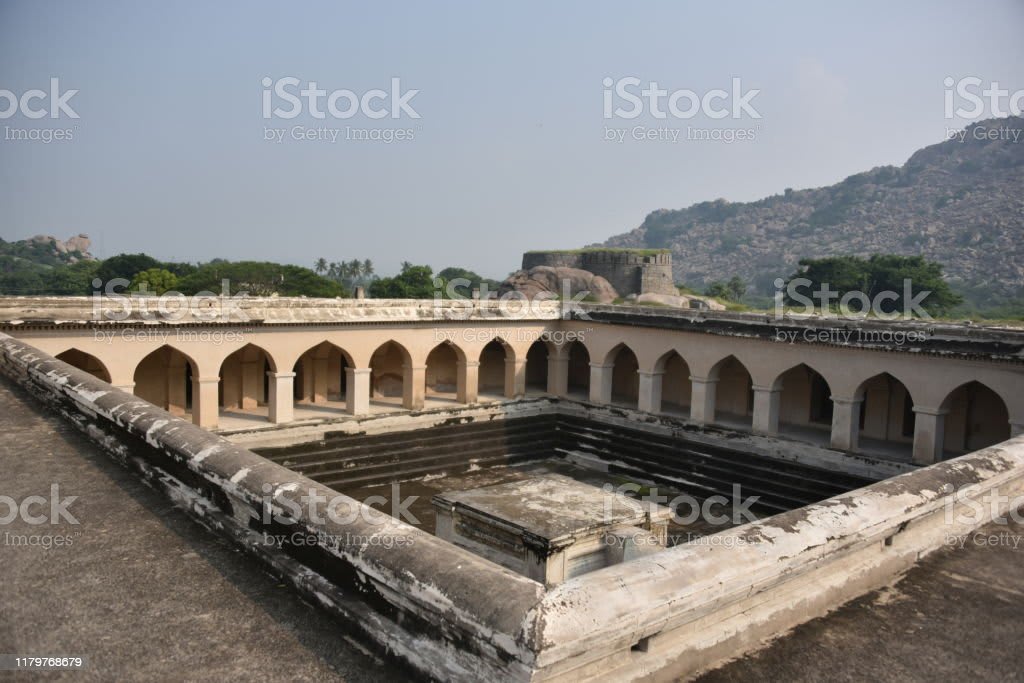
Gingee Fort, also known as Senji Fort, is a historical fortress located in the town of Gingee in the Villupuram district of Tamil Nadu, India. The fort is situated on top of three hills, Krishnagiri, Rajagiri, and Chandrayandurg, and is considered to be one of the most impregnable fortresses in India.
The Gingee Fort has a rich history and has changed hands several times throughout its existence. The fort was first built by the Chola dynasty in the 9th century, and later fortified by the Vijayanagara Empire in the 13th century. In the 17th century, it became the headquarters of the Maratha king Shivaji, and was later captured by the Mughal Empire under Aurangzeb. The fort was also the site of a major battle between the British East India Company and the French East India Company in the 18th century.
The Gingee Fort is renowned for its impressive fortifications, including a moat, walls, and gates, as well as numerous temples, granaries, and barracks. The fort also has several architectural features, such as the Kalyana Mahal, a palace with intricate carvings and paintings, and the Venkataramana temple, a 16th-century temple with a unique pyramidal tower.
Today, the Gingee Fort is a popular tourist attraction and is managed by the Archaeological Survey of India. Visitors can explore the fort and its many structures, and enjoy stunning views of the surrounding countryside from the top of the hills.
Gingee Fort is considered a masterpiece of military architecture, as it was strategically designed to withstand attacks from enemy forces. The fort walls are over 60 feet high in some places and have a circumference of around 7 kilometers. The walls were constructed using a combination of granite and laterite, a local stone that was readily available in the region. The walls also feature several bastions, watchtowers, and gates, including the main gate known as the Kalyana Mahal gate.
One of the most impressive structures in the Gingee Fort is the Kalyana Mahal, a palace complex located within the fort walls. The Kalyana Mahal was built in the 16th century by the Nayakas of Gingee and is considered a fine example of Dravidian architecture. The palace complex features several halls, courtyards, and galleries, and is adorned with intricate carvings and paintings.
Another notable feature of the Gingee Fort is the Venkataramana Temple, a 16th-century temple dedicated to Lord Vishnu. The temple has a unique pyramidal tower, which is believed to be one of the earliest examples of this style of architecture in South India. The temple also has several ornate sculptures and carvings, including a large monolithic sculpture of Lord Vishnu in a reclining position.
Visitors to the Gingee Fort can also explore several other structures within the fort complex, including granaries, barracks, and wells. The fort also has a large pond, known as the Kalyana Theertham, which is believed to have been used for ceremonial purposes.
Overall, Gingee Fort is a remarkable example of India's rich cultural and architectural heritage, and is a must-visit destination for anyone interested in history and architecture.
Apart from its historical and architectural significance, Gingee Fort is also famous for its natural beauty and scenic vistas. The fort is surrounded by lush green hills and forests, and offers panoramic views of the surrounding landscape. Visitors can take a leisurely walk through the fort complex, enjoying the cool breeze and the serene surroundings.
The Gingee Fort also has a rich cultural heritage, and is home to several annual festivals and events. One of the most popular events is the Kalyana Mahal festival, which takes place during the month of May and involves a grand procession of the temple deity. The festival attracts large crowds of devotees and tourists from all over the country.
The fort is also a popular destination for adventure enthusiasts, as it offers several trekking and hiking trails. Visitors can trek up to the top of the hills, where they can enjoy breathtaking views of the surrounding landscape. The fort also has several rock climbing and rappelling spots, which are popular with thrill-seekers.
Gingee Fort is located about 160 kilometers from Chennai, and can be easily reached by road or rail. The best time to visit the fort is between October and March, when the weather is cool and pleasant. Visitors are advised to wear comfortable clothing and footwear, as the fort involves a fair amount of walking and climbing.
In conclusion, Gingee Fort is a fascinating destination that offers a unique blend of history, architecture, and natural beauty. Whether you are a history buff, an architecture enthusiast, or an adventure seeker, a visit to this remarkable fortress is sure to be an unforgettable experience.
About the Creator
The One Lighting Move That Instantly Makes Your Photos Look Better
Photography advice often focuses on complex settings, advanced editing, or buying better equipment. While those things can help, they often distract from something far more powerful and immediate. One simple lighting habit can dramatically improve almost every photo you take, whether you’re shooting with a phone or a professional camera.
By Kelln Smallabout 21 hours ago in Education
Managing Anxiety During Exams: A Student’s Guide
Exams are one of the most common sources of stress for students at every level. Even the most prepared individuals often feel nervous before or during a test. Exam anxiety is natural — it’s the body’s way of preparing for a challenge — but excessive stress can interfere with focus, memory recall, and overall performance. Understanding the causes of anxiety and learning effective coping strategies can make a significant difference. This guide provides practical, evidence-based techniques to manage stress before, during, and after exams.
By Games Mode On2 days ago in Education




Comments
There are no comments for this story
Be the first to respond and start the conversation.