
Getting Started with Homeschooling: A Beginner’s Guide to Success
Practical Tips to Kickstart Your Homeschooling Journey with Confidence

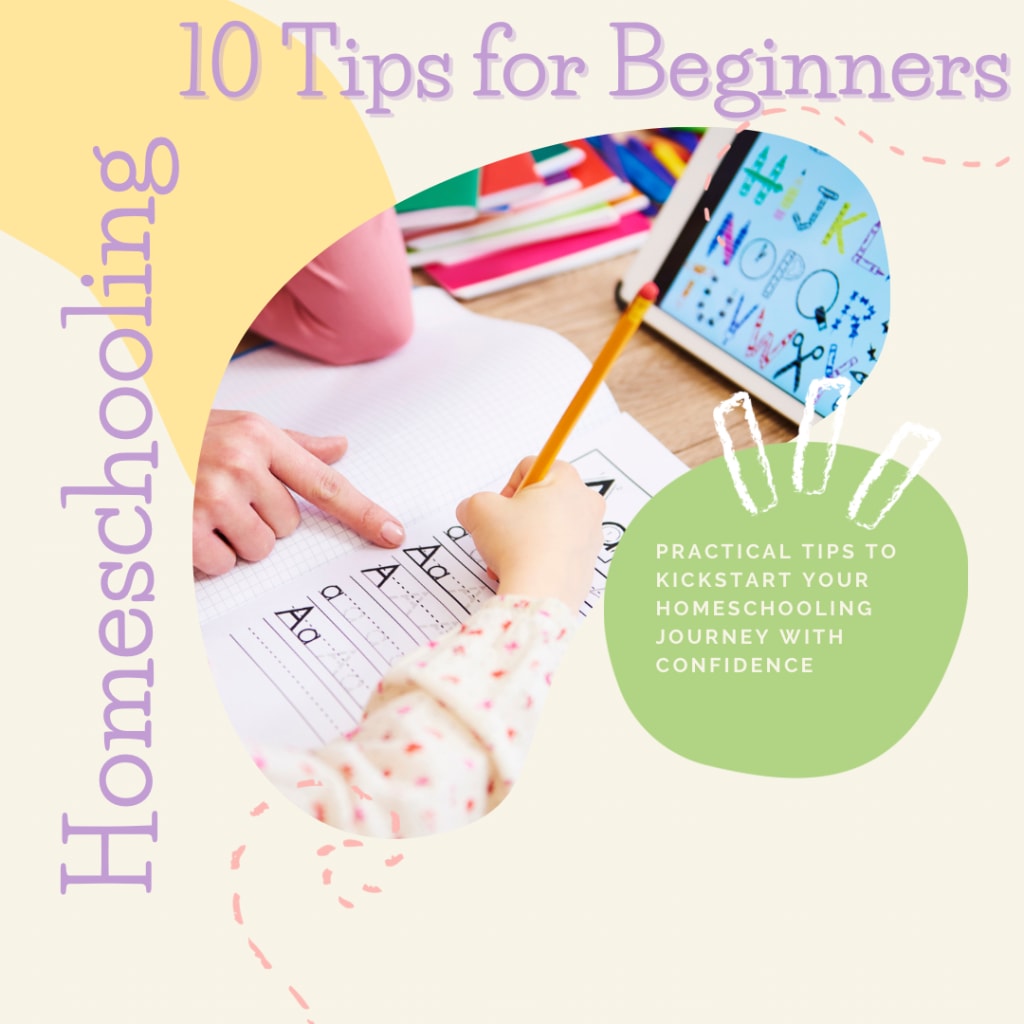
Getting Started with Homeschooling: Tips for Beginners
Homeschooling can feel overwhelming at first, but with the right approach, it’s an exciting and rewarding journey for both parents and children. Whether you’re looking for flexibility, a personalized education plan, or a closer family bond, this beginner’s guide will help you take the first steps into homeschooling with confidence.
1. Understand Your Why
Before diving in, reflect on why you’re choosing to homeschool. Are you looking for a more tailored education? More time with family? Or a safe and flexible learning environment? Knowing your “why” will guide your decisions and keep you motivated during challenging days.
2. Research Homeschooling Laws in Your State
Each state has different homeschooling regulations. Some require registration, curriculum reviews, or testing, while others are more flexible. Visit your state’s education department website or the Home School Legal Defense Association (HSLDA) to understand the requirements where you live.
3. Choose a Teaching Style and Curriculum
Homeschooling isn’t one-size-fits-all. Explore different teaching styles like traditional, Montessori, unschooling, or Charlotte Mason to find what works best for your family. Many curriculums are available online, ranging from pre-packaged programs to resources you can customize. Consider your child’s learning style, interests, and needs.
4. Set Realistic Goals
Start small. Decide what you want to accomplish in the first month or semester. Your goals could include creating a daily routine, focusing on core subjects like math and reading, or incorporating hands-on activities. Remember, homeschooling is flexible, and it’s okay to adjust as you learn what works.
5. Create a Learning Space
A designated learning space helps children focus. It doesn’t have to be fancy—a simple table with school supplies will do. Keep the area organized and free from distractions to foster a positive learning environment.
6. Establish a Routine (But Stay Flexible!)
Children thrive on structure, so create a daily schedule that includes learning, play, meals, and downtime. However, one of homeschooling’s biggest perks is flexibility. If your child is struggling or the day isn’t going as planned, take breaks or shift gears.
7. Connect with Other Homeschoolers
You don’t have to do this alone! Join local homeschooling groups or online communities for support, advice, and social opportunities for your child. Many groups organize field trips, co-ops, and playdates, enriching your homeschooling experience.
8. Celebrate Progress Over Perfection
Homeschooling isn’t about getting everything right—it’s about growing together as a family. Celebrate small wins, like mastering a new skill or completing a project. Mistakes and tough days are part of the process, so be patient with yourself and your child.
9. Incorporate Fun and Creativity
Learning doesn’t have to be boring! Incorporate art, music, outdoor exploration, and games to keep education exciting. Children learn best when they’re engaged and having fun.
10. Evaluate and Adjust
Periodically review what’s working and what’s not. Homeschooling is a learning curve, and it’s okay to change your approach. Be open to trying new resources, techniques, or schedules to improve your experience.
Starting your homeschooling journey might feel daunting, but with preparation, patience, and a willingness to adapt, you can create a learning environment where your child thrives. Take it one step at a time, and remember—you’ve got this!
About the Creator
Amanda Mazzuca
I’m a SAHM sharing parenting tips, homeschooling ideas, and all things mom life. I aim to spread positivity and encouragement to help navigate the beautiful chaos of motherhood. As an Amazon Associate, I earn from qualifying purchases.
Keep reading
More stories from Amanda Mazzuca and writers in Education and other communities.
Building Strong Bodies and Bright Minds: The Role of Vitamins in Childhood Nutrition
Childhood is a time of rapid growth and development, both physically and mentally. Ensuring children receive proper nutrition during this critical period lays the foundation for a lifetime of good health. While a balanced diet is essential, many children don’t get all the nutrients they need from food alone. This is where children’s vitamins can play a supportive role.
By Amanda Mazzucaabout a year ago in Families
How Holistic Planning Supports Sustainable Development and Long-Term Growth
In today's business environment, holistic planning is essential for organizations seeking to balance growth and sustainability. This approach integrates various aspects of business planning, including environmental, social, and economic considerations. By taking a comprehensive view, businesses can create strategies that support sustainable development while driving long-term growth. In this article, we will discuss how holistic planning fosters sustainability and lays the foundation for continuous business success.
By James Burleson5 days ago in Education



Comments
There are no comments for this story
Be the first to respond and start the conversation.