
Understanding Furniture Certifications (FSC, GREENGUARD, etc.)
What Furniture Certifications Like FSC and GREENGUARD Really Mean — and Why They Matter
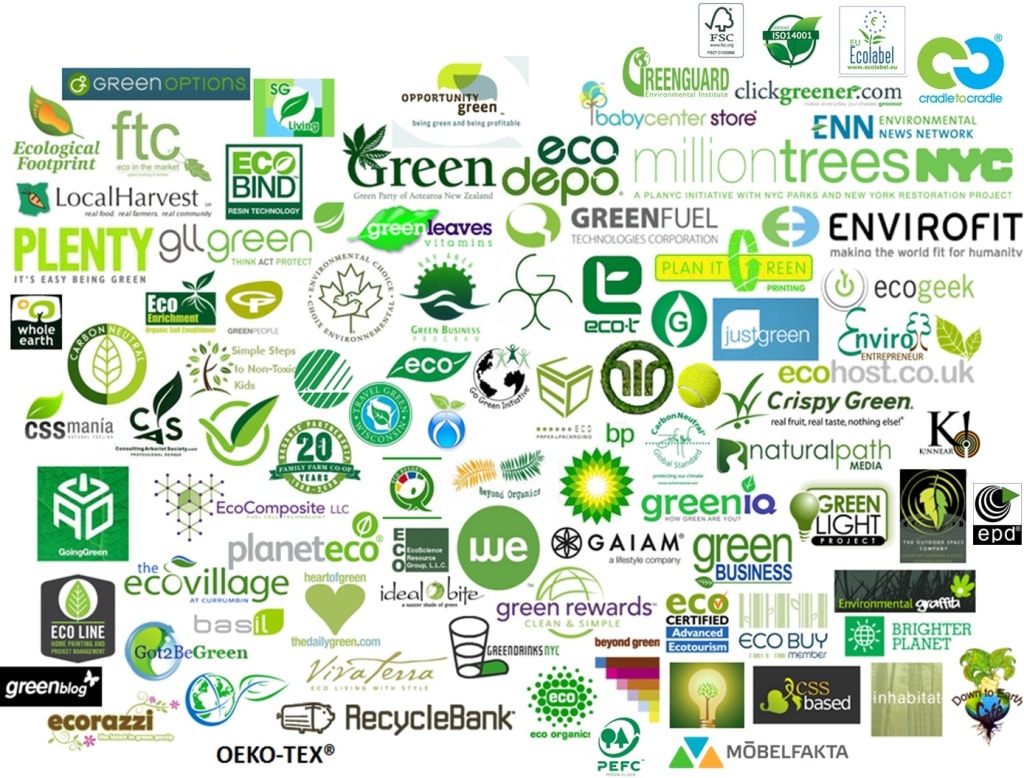
As consumers become more mindful of their health, the environment, and ethical sourcing, furniture certifications have emerged as valuable tools to help navigate the modern marketplace. Certifications like FSC, GREENGUARD, and others signal that a piece of furniture meets certain standards for environmental responsibility, safety, or ethical manufacturing. However, understanding what these labels mean—and what they don’t—is key to making informed choices that align with your values.
FSC (Forest Stewardship Council): Responsible Forestry
The FSC certification is one of the most recognized labels in sustainable furniture. It ensures that wood and other forest products come from responsibly managed forests that are evaluated for environmental, social, and economic criteria. Forests certified by the FSC maintain biodiversity, avoid illegal logging, and respect indigenous and community rights. When you see the FSC label on furniture, you can be confident that the wood was harvested in a way that helps preserve forests for future generations.
FSC-certified furniture may include hardwoods, plywood, veneers, and even bamboo. However, it’s important to verify that the entire piece is FSC-certified, not just certain components.

GREENGUARD: Indoor Air Quality and Chemical Safety
GREENGUARD certification focuses on indoor air quality. Furniture and materials that receive this certification are tested for emissions of volatile organic compounds (VOCs), which are common in paints, glues, finishes, and foams. High VOC levels can cause respiratory issues, headaches, or long-term health problems—especially for children or people with chemical sensitivities.
GREENGUARD Gold, a stricter version, is particularly relevant for products used in schools, healthcare environments, and homes with vulnerable populations. Choosing GREENGUARD-certified furniture helps ensure that your indoor environment remains healthy and safe.

BIFMA LEVEL: Sustainable Business Practices
The Business and Institutional Furniture Manufacturers Association (BIFMA) created the LEVEL certification to evaluate the environmental and social responsibility of office furniture. This certification assesses a company’s practices across four areas: materials, energy and atmosphere, human and ecosystem health, and social responsibility.
Products are rated on a LEVEL 1 to LEVEL 3 scale, with LEVEL 3 representing the highest standard. If you’re furnishing a commercial or home office and want to align with sustainability goals, BIFMA LEVEL-certified products are a smart place to start.
Cradle to Cradle: Circular Design Philosophy
The Cradle to Cradle (C2C) certification goes beyond just sourcing or emissions—it focuses on designing products with a circular economy in mind. This means materials are chosen and assembled in ways that allow them to be reused, recycled, or composted rather than ending up as waste.

C2C also evaluates a product’s impact on water usage, renewable energy, and social fairness. Furniture with this certification is ideal for those who prioritize full life-cycle sustainability and innovation in product design.
Why These Certifications Matter
With greenwashing becoming more common—where companies make vague or misleading environmental claims—certifications provide transparency and trust. These third-party labels are backed by rigorous testing and evaluation, so they give consumers confidence that a product lives up to its claims.

Certified furniture often costs more, but this premium typically reflects higher-quality materials, responsible labor practices, and safer indoor environments. Investing in certified pieces not only benefits your health and home but also supports companies that are actively working to reduce environmental harm and promote fair trade.
What to Watch For
While certifications are helpful, it’s still important to read the fine print:
Partial certification: A product may use FSC-certified wood but still contain harmful finishes or adhesives.
Unverified claims: Phrases like “eco-friendly” or “green” without third-party verification should be taken with caution.
Region-specific standards: Some certifications are only valid in certain countries or may be replaced by local equivalents.
Always check the scope of the certification and whether it covers the entire product or just certain components.
The Bottom Line
Furniture certifications like FSC, GREENGUARD, and others help consumers make better-informed choices that align with their values—whether that’s environmental sustainability, safer indoor air, or ethical manufacturing. As demand for responsible products grows, understanding these labels empowers you to furnish your home in a way that supports people and the planet alike.
About the Creator
Keep reading
More stories from OPAA LIVING and writers in Education and other communities.
How to Refresh Your Home with Minimal Pieces
Giving your home a fresh, new look doesn’t always require a full renovation or an expensive shopping spree. With a minimalist approach and a few well-chosen pieces, you can easily breathe new life into your space. The key is to focus on quality, functionality, and style—without overwhelming your home with clutter. Here’s how to refresh your home using minimal pieces that create maximum impact.
By OPAA LIVING9 months ago in Education
Karen Solie’s Wellwater Wins the TS Eliot Poetry Prize: A Quiet Triumph of Modern Verse
In a literary world often dominated by loud headlines and fast-moving trends, poetry still finds ways to stop time. That pause arrived powerfully with the announcement that Karen Solie’s poetry collection Wellwater has won the TS Eliot Poetry Prize, one of the most prestigious honors in contemporary poetry. The award is not only a personal milestone for Solie but also a reminder of poetry’s enduring ability to explore the human condition with depth, restraint, and emotional clarity. A Prize That Shapes the Poetry World The TS Eliot Poetry Prize, awarded annually in the United Kingdom, is considered one of the highest accolades a poet can receive. It recognizes the best new poetry collection published in the UK or Ireland, often setting the tone for literary discussions in the year ahead. Past winners have included some of the most influential poetic voices of modern times, making Solie’s victory a significant cultural moment. What sets this prize apart is its emphasis on craft, originality, and emotional intelligence—qualities that Wellwater embodies fully. Who Is Karen Solie? Karen Solie is a Canadian poet known for her sharp intellect, grounded observations, and emotionally resonant language. Over the years, she has earned respect for writing poetry that feels both deeply personal and socially aware. Her work often navigates themes such as place, memory, climate anxiety, labor, aging, and quiet resilience, avoiding grand statements in favor of carefully observed truths. Solie’s poetry does not shout; it listens. That listening quality is precisely what makes Wellwater stand out. Inside Wellwater: Poetry of Depth and Reflection Wellwater is a collection that moves deliberately, inviting readers to slow down and pay attention. The title itself suggests hidden depths—water drawn from below the surface, shaped by time and pressure. This metaphor runs throughout the collection, as Solie explores lives shaped by unseen forces: economic uncertainty, environmental change, personal history, and emotional endurance. The poems are rooted in everyday experiences, yet they carry philosophical weight. Solie writes about landscapes both natural and human-made, finding meaning in small moments: a shift in weather, a conversation overheard, a memory resurfacing unexpectedly. Her language is precise but never cold, intellectual without being inaccessible. Why Wellwater Resonated With Judges The TS Eliot Prize judges praised Wellwater for its quiet authority and emotional honesty. In a time when many works aim for immediacy or spectacle, Solie’s collection was recognized for its patience and depth. The poems do not rush toward conclusions; instead, they allow complexity to remain unresolved, mirroring real life. This approach reflects a broader shift in contemporary poetry, where subtlety and reflection are gaining renewed appreciation. Solie’s work demonstrates that poetry can be powerful without being performative, political without being loud, and personal without being confessional. Poetry in a Restless World The success of Wellwater also speaks to the role of poetry in today’s fast-paced, digitally saturated culture. As attention spans shrink, poetry offers a counterbalance—a space where readers can slow down, sit with uncertainty, and engage with language thoughtfully. Solie’s poems address modern anxieties without sensationalism. Climate change, economic instability, and emotional fatigue are present, but they are woven into lived experience rather than treated as abstract concepts. This grounding makes Wellwater especially relevant to contemporary readers seeking meaning rather than noise. What This Win Means for Contemporary Poetry Karen Solie’s TS Eliot Prize win reinforces the idea that poetry still matters, even—perhaps especially—in uncertain times. It highlights the value of work that prioritizes depth over trendiness and reflection over reaction. For emerging poets, Solie’s success is encouraging. It suggests that careful craftsmanship, intellectual honesty, and emotional restraint can still find recognition in a competitive literary landscape. For readers, Wellwater offers an invitation: to read slowly, to think deeply, and to reconnect with the quieter aspects of being human. A Lasting Literary Moment Karen Solie’s Wellwater winning the TS Eliot Poetry Prize is more than an award announcement—it is a celebration of poetry’s ability to endure, adapt, and illuminate. In drawing from the deep wells of observation and experience, Solie has created a collection that will likely be read and discussed for years to come. In an age hungry for instant answers, Wellwater reminds us that some truths are best discovered slowly.
By Fiaz Ahmed Brohia day ago in Education
How Strong Company Culture Builds Better Homes From the Inside Out
When people think about what makes a well-built home, they often focus on materials, design, or location. While those factors matter, they are only part of the story. The fundamental foundation of a quality home begins with the people who build it and the environment in which they work. That is why company culture in homebuilding has become an essential topic for buyers who want homes built with care, consistency, and honesty.
By Fischer Homesa day ago in Education
Ludacris and Nelly draw backlash over bookings at MAGA-coded music festival
Ludacris and Nelly headlining a mostly right-wing event is good for them. It’s also great for the genre of hip hop. The two rap veterans have showcased their talents on other stages. Why can’t they perform for mostly MAGA folks and grab that bag?
By Skyler Saunders6 days ago in Beat



Comments
There are no comments for this story
Be the first to respond and start the conversation.