
Fundamentals of Education: Foundations, Principles, and Future Directions
Education is a cornerstone of individual and societal development, serving as the primary means through which knowledge, skills, and values are transmitted across generations

**Introduction**
Education is a cornerstone of individual and societal development, serving as the primary means through which knowledge, skills, and values are transmitted across generations. This paper explores the fundamental principles of education, the core components that constitute effective educational systems, and the future directions that may shape the evolution of education.
**Foundations of Education**
1. **Definition and Purpose**
Education is a process of learning and teaching that aims to develop intellectual, moral, and social capabilities in individuals. Its primary purpose is to equip individuals with the necessary skills and knowledge to lead productive lives, contribute to society, and foster personal growth. Education also plays a critical role in preserving and advancing cultural heritage and societal values.
2. **Historical Perspectives**
Historically, education has evolved from informal methods of knowledge transfer within families and communities to formal systems established by institutions. In ancient civilizations, education was often reserved for the elite, focusing on religious and philosophical teachings. The development of public education systems in the 19th and 20th centuries democratized access to education, emphasizing the importance of literacy and numeracy as fundamental skills.
**Core Components of Effective Education**
1. **Curriculum and Instruction**
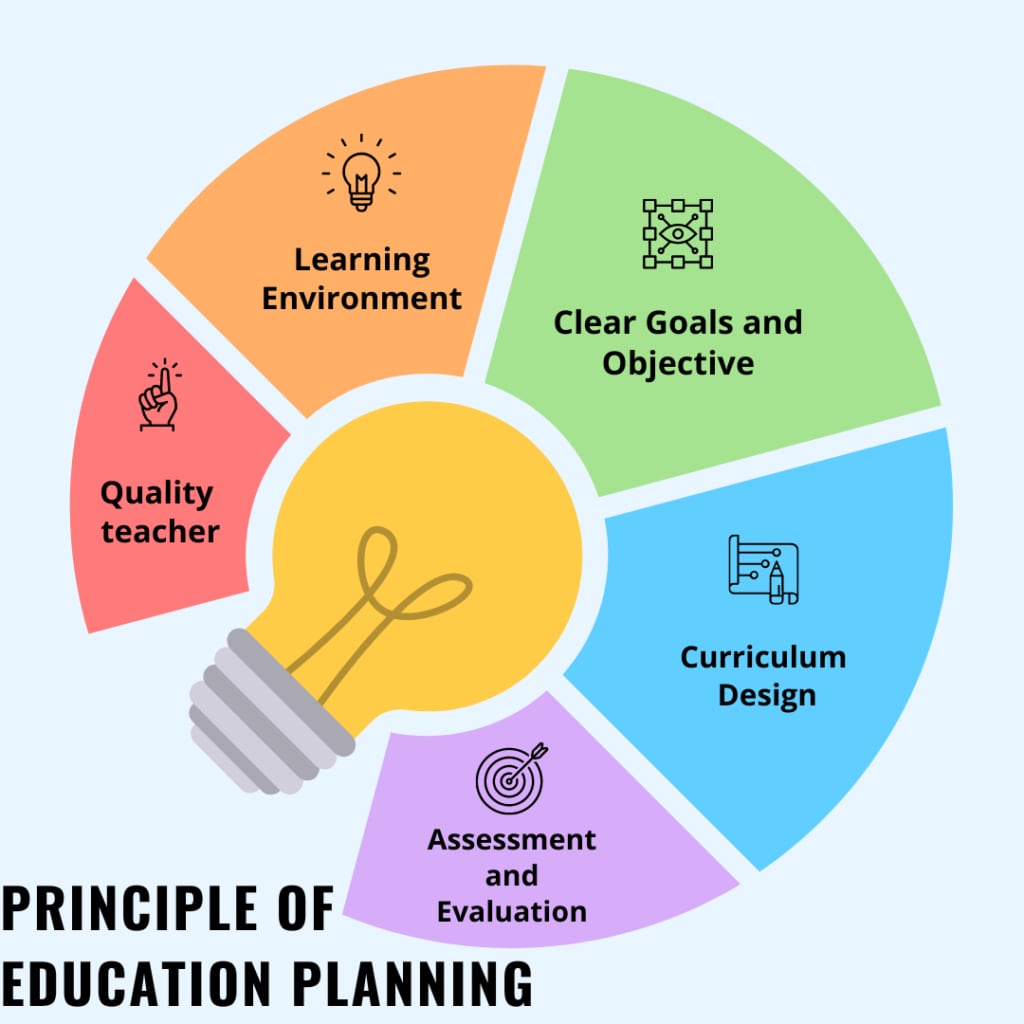
The curriculum is a structured plan that outlines the content and skills to be taught. Effective curricula are designed to be comprehensive, relevant, and adaptable to the needs of students. Instructional methods, including lectures, discussions, and hands-on activities, should cater to diverse learning styles and encourage active participation. The integration of technology and multimedia tools can enhance the learning experience and facilitate better understanding.
2. **Assessment and Evaluation**
Assessment is a critical component of education, providing feedback on student performance and informing instructional practices. Various assessment methods, such as formative assessments (quizzes, assignments) and summative assessments (exams, projects), help gauge student understanding and progress. Evaluation of educational outcomes ensures that teaching methods and curricula are effective and aligned with educational goals.
3. **Teacher Quality and Professional Development**
Teachers are central to the educational process, and their effectiveness significantly impacts student learning. High-quality teachers possess not only subject matter expertise but also pedagogical skills and the ability to motivate and engage students. Continuous professional development is essential for teachers to stay updated with educational best practices, emerging technologies, and evolving educational standards.
4. **Learning Environment**
A supportive and inclusive learning environment is crucial for effective education. This includes both physical aspects, such as well-equipped classrooms and safe facilities, and emotional aspects, such as fostering a positive classroom climate and promoting student well-being. Creating an environment that supports collaboration, respect, and a growth mindset enhances the overall learning experience.
**Future Directions in Education**
1. **Technological Advancements**
Technology is transforming education by offering new tools and methods for teaching and learning. Innovations such as e-learning platforms, virtual classrooms, and educational apps provide flexible and personalized learning experiences. The use of artificial intelligence and data analytics can help tailor educational content to individual student needs and improve learning outcomes.
2. **Educational Equity**
Ensuring equitable access to quality education remains a significant challenge. Efforts to address disparities in educational opportunities include implementing policies that promote inclusivity, providing resources to underserved communities, and supporting initiatives that address barriers to education, such as poverty and disability.
3. **Lifelong Learning**
The concept of lifelong learning emphasizes the importance of continuous education throughout an individual's life. As the job market and technological landscape evolve, individuals need to engage in ongoing learning to adapt to new skills and knowledge requirements. Educational systems are increasingly focusing on fostering skills that support lifelong learning, such as critical thinking, problem-solving, and adaptability.
4. **Global Perspectives**
In an increasingly interconnected world, education systems are incorporating global perspectives to prepare students for a diverse and globalized society. This includes integrating global issues into curricula, promoting cross-cultural understanding, and preparing students to work in international contexts.
**Conclusion**
Education serves as a fundamental pillar of personal and societal development, with its core components including curriculum design, assessment, teacher quality, and learning environments. As education continues to evolve, embracing technological advancements, addressing equity issues, and fostering lifelong learning will be essential in shaping effective educational systems. By understanding and addressing these fundamental aspects, stakeholders can work together to create educational environments that support growth, innovation, and inclusivity.
About the Creator
Keep reading
More stories from Habachi Habachi and writers in Education and other communities.
Higher Education: Drivers of Growth and Future Challenges
**Introduction** Higher education is a fundamental pillar that contributes to shaping societies and enhancing personal and professional development. It follows basic and secondary education, providing students with the opportunity to expand their knowledge and develop skills across various fields. This article explores the importance of higher education, the challenges it faces, and how the sector is evolving to meet future changes.
By Habachi Habachiabout a year ago in Education


Comments
There are no comments for this story
Be the first to respond and start the conversation.