
Fun and Fitness: Why Physical Activity for Children Matters More in Summer
Summer and Physical Activity for Children

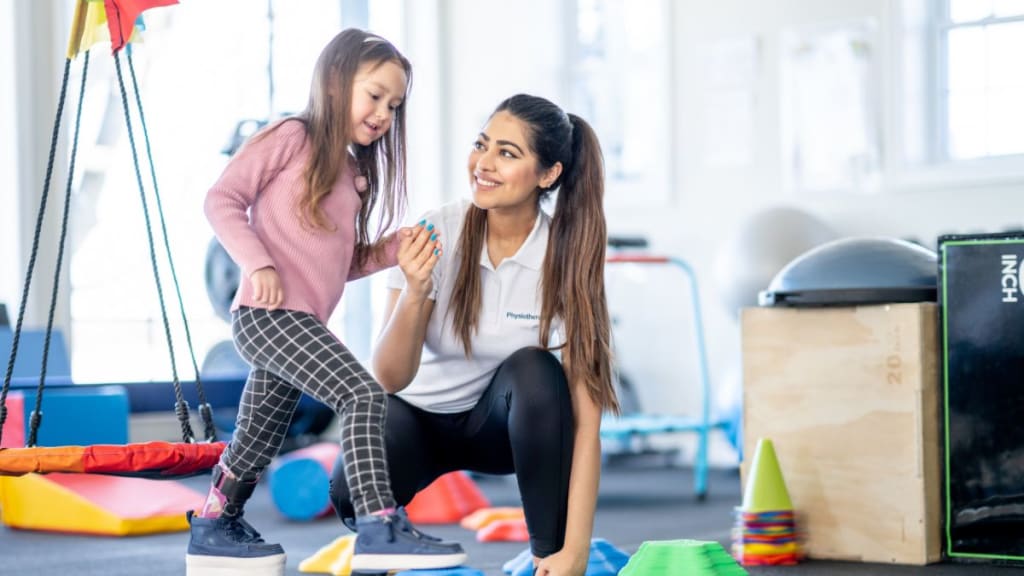
When the school gates close for summer, routines go out the window. Sleep shifts, snacks multiply, and screens take centre stage. But for many families, one quiet danger sneaks in unnoticed: stillness. That’s why physical activity for children becomes even more essential during the summer months. With no school-run steps, playground games, or structured PE lessons, movement must be built in deliberately, or it won’t happen at all.
This blog is for parents who want to keep their children moving, thriving, and happy through the school holidays and warm weekends.
Table of Contents
• Why Summer Can Lead to Stillness
• Movement as a Daily Need, Not a Bonus
• What Real-World Benefits Come from Staying Active?
• How to Keep Exercise Fun in the Heat
• Everyday Ways to Encourage More Movement
• FAQs
Why Summer Can Lead to Stillness
The Disappearing Routine
Children walk to and from classrooms during the school year, participate in PE, join after-school clubs, and run around during break. These movement bursts add up without much effort. But when school ends, so do those small automatic steps.
Summer days stretch long, and without a set routine, hours can pass without much physical effort. This isn’t just about weight or strength. It’s about digestion, focus, sleep quality, and emotional regulation.
Screens Fill the Gaps
While technology has its place, unsupervised screen time often fills the entire day. With games, shows, and endless scrolling just a tap away, movement starts to feel optional, even unwelcome.
That’s why structured, intentional physical activity for children is essential. It keeps the body engaged and the mind steady at a time when boundaries feel loose.
Summer Heat Slows Motivation
High temperatures can make everyone sluggish, especially children who aren’t accustomed to them. This can discourage outdoor play, even though it’s what many children need most. Encouraging gentle but regular movement helps balance out summer’s natural slowdown.
Movement as a Daily Need, Not a Bonus
Bodies in Motion Handle Summer Better
Sweat, water intake, and digestive function work more efficiently when the body stays active. Children who move regularly sleep better, eat better, and recover more quickly from hot, restless nights.
It’s not about intense workouts. It’s about consistent movement, skipping, running, kicking, climbing, and stretching. This keeps muscles working and supports internal systems that tend to deteriorate during prolonged periods of inactivity.
Mental Benefits That Last Beyond the Day
Mood swings, frustration, and boredom spike when children don’t move. Regular physical activity helps balance hormones, reduce anxiety, and promote a sense of calm. This matters even more during long school breaks when structure disappears.
Summer fitness for kids isn’t just about outdoor games. It’s about giving their minds a release valve. Activity creates space for focus, patience, and better emotional regulation.
What Real-World Benefits Come from Staying Active?
Better Sleep and Deeper Rest
Children who move during the day tend to sleep longer and more deeply. This is especially useful when summer disrupts sleep schedules. Physical fatigue resets natural rhythms and supports nighttime rest.
Balanced Appetite and Digestion
Without movement, the gut slows down. Due to inactivity and irregular eating habits, bloating and irregular hunger patterns often emerge during the summer. Movement helps reset the body’s natural signals.
Strength, Coordination, and Injury Prevention
Regular play builds muscle tone and joint flexibility. That means fewer injuries during spontaneous play, such as during park visits, beach games, or garden adventures. Active children are more in tune with their bodies and respond faster when balance is challenged.
This is why kids' health through sport matters year-round, especially when school support decreases.
Focus and Mood Stability
Movement sharpens the brain. Children who play and sweat can concentrate better, even on quiet activities like puzzles or reading. It also improves resilience, reducing the build-up of frustration or stress when plans change or boredom creeps in.
How to Keep Exercise Fun in the Heat
Timing Makes All the Difference
Encourage activity early in the morning or later in the evening, when the temperature is cooler. Shade, wind, and water play can make midday movement more manageable.
Break It Up
Long stretches of activity in hot weather are neither needed nor safe. Instead, aim for three to four short bursts of movement each day. Ten minutes here and there still add up.
Use Water as a Motivator
Sprinklers, paddling pools, and sponge toss games. Anything that adds water can turn basic activity into full-body movement. Even washing the car becomes fun with a bucket and hose.
The key is consistency. Well-designed active children’s programs create structure that keeps fitness fun, varied, and seasonal.
Everyday Ways to Encourage More Movement
Make Movement Part of the Day, Not a Separate Task
Physical activity should be treated as something that happens between and alongside daily life. Walk to the shop instead of driving. Play “catch the balloon” in the kitchen while waiting for dinner. Do stretches before a film.
Get Involved Without Taking Over
Children are more likely to move if you move too. You don’t have to be an athlete. Just suggest a race, join a dance, or hold a stopwatch while they try a jumping challenge.
Build in Breaks from Screens
Set natural pauses between online activities and offer movement options. This might be ten jumping jacks, a quick obstacle run around the garden, or a mini scavenger hunt. Keep it light and reward-based without making it feel like punishment.
Celebrate Activity, Not Outcome
Whether they ran fast or tripped over their own shoelace, if they moved, they’ve already succeeded. Shift the praise from winning to trying. The goal is movement, not medals.
FAQs
How much activity do children really need during summer?
Aim for at least 60 minutes of moderate movement per day. It doesn’t need to be in one go. Short sessions add up.
What if my child refuses to do anything active?
Start with shared, playful activities. Remove pressure. Offer choice. Often, resistance is about fear of failing or boredom with the routine.
Are structured programmes better than unstructured play?
Both have value. Programmes offer social, emotional, and skill-based support, while free play builds creativity and independence. Ideally, include both.
© Foxes Club
About the Creator
Keep reading
More stories from Foxes Club and writers in Education and other communities.
Why Sports Are a Great Outlet for Energetic Kids
Does your child seem to have endless energy? The kind that keeps them bouncing, climbing, or talking even after bedtime? Many parents see this as a challenge, but it can actually be a strength when channelled well. Choosing sports for energetic kids turns that constant movement into purpose, confidence, and focus.
By Foxes Club3 months ago in Longevity




Comments
There are no comments for this story
Be the first to respond and start the conversation.