
From Crayons to Climbing Frames: How Nursery Builds Physical Confidence
Supporting Fine and Gross Motor Skill Development

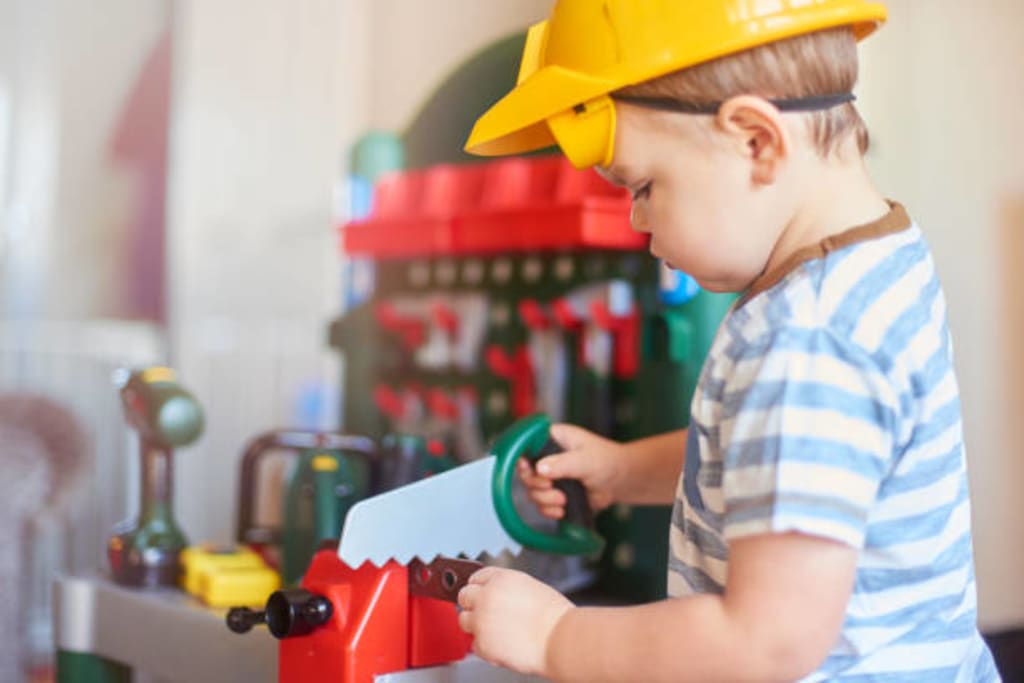
Physical confidence doesn’t just happen—it’s carefully nurtured in environments where children are encouraged to move, explore, and trust their bodies.
For nursery-aged children, movement is their first language. Before they learn to write their name or read their first book, they learn to run, jump, balance, build, and create.
Each of these actions supports not just their physical growth, but their emotional, cognitive, and social development as well.
In nursery settings, developing physical skills goes far beyond P.E. lessons or playtime. It is woven into the very fabric of the daily routine. From fine motor activities like threading beads and drawing pictures, to gross motor challenges like climbing frames and ride-on toys, every movement matters.
Let’s explore how nurseries foster physical development and why it’s central to building not only stronger bodies—but stronger, more confident learners.
Understanding Physical Development in Early Years
Physical development in the Early Years Foundation Stage (EYFS) is divided into two key areas:
- Gross Motor Skills – These involve large movements using the arms, legs, and entire body. Running, climbing, throwing, hopping, and balancing are examples. They help develop core strength, coordination, posture, and spatial awareness.
- Fine Motor Skills – These require more precise control and coordination of the small muscles, especially in hands and fingers. Tasks like using cutlery, brushing teeth, holding pencils, and buttoning clothing fall into this category.
Together, these skills not only support everyday independence, but form the bedrock of school readiness. After all, children need strong gross motor control to sit upright in class, and refined fine motor skills to hold a pencil and begin writing.
How Nursery Supports Movement, Confidence, and Mastery
A quality nursery is far more than a place for supervision—it’s an environment designed to spark movement, exploration, and self-belief.
1. Designed for Movement
Well-structured nursery classrooms and outdoor spaces encourage movement at every opportunity. Children are not confined to desks; instead, they move between activity stations, climb, dig, dance, and explore.
In indoor settings, fine motor activities are embedded into creative tasks—such as:
- Mark-making with crayons, chalk, and paint
- Threading and weaving with ribbons or beads
- Building with small blocks or connecting toys
- Puzzles that require manipulation and planning
These develop dexterity, finger strength, and hand-eye coordination.
- Outdoors, gross motor skills are promoted through:
- Obstacle courses and climbing frame
- Scooters, bikes, and push toys
- Open spaces for running and ball games
- Natural features like logs, mounds, and sand pits
This balance of fine and gross motor activity ensures children are growing physically across all areas.
2. Safe Risk-Taking Builds Resilience
Risk in a controlled environment is essential to development. Children learn by testing their limits—climbing a little higher, jumping a little further, or balancing a little longer.
At a high-quality day nursery in Brentford, educators supervise these experiences closely, encouraging effort, cheering on progress, and stepping in only when needed. This lets children learn through trial and error, building resilience and confidence in their abilities.
When a child attempts something new and succeeds—even after failing once or twice—the message is clear: “I can do hard things.”
3. Physical Play is Social and Emotional Learning, Too
Physical development and emotional regulation are closely linked. Movement helps children process emotions, release energy, and build positive relationships.
Whether they're negotiating turn-taking on the slide or collaborating on a group building project, children are learning cooperation, patience, and empathy.
Nurseries also use physical activities to help children manage transitions, reduce anxiety, and prepare for more focused learning tasks. Music and movement sessions, sensory play, and yoga for young children are all powerful tools in promoting calm, self-awareness, and regulation.
Laying the Groundwork for Lifelong Learning
What may look like “just play” is actually powerful preparation for future learning. Research consistently shows that physical activity in early childhood is linked to:
- Better concentration and memory
- Improved classroom behaviour
- Enhanced reading and math skills
- Reduced anxiety and increased resilience
Children who move with confidence are more likely to take initiative, embrace challenges, and engage deeply in their learning. The early years are a critical window for this development—which is why the best nurseries make movement a cornerstone of their curriculum.
A standout nursery Brentford families trust will not only provide stimulating activities but also adapt to each child’s pace and needs.
For children who are naturally more cautious, staff can gently support confidence-building. For more active or sensory-seeking children, educators provide safe outlets for movement that channel their energy constructively.
The Home-Nursery Connection
Parents play a key role in reinforcing physical confidence outside of the nursery. Some practical ways to support development at home include:
Encouraging active play: trips to the park, dancing to music, or nature walks
- Limiting screen time to ensure ample time for physical movement
- Providing child-friendly tools like safety scissors, crayons, or building kits
- Allowing independence in self-care tasks: dressing, feeding, cleaning up
Working in partnership with your child’s nursery ensures consistent support and messaging. Ask your child’s key worker for updates on their motor development, and build on those activities at home.
Final Thoughts
Physical development in nursery is about much more than reaching milestones—it’s about building strong, confident, curious learners. Whether a child is gripping their first crayon or scaling their first climbing frame, each experience lays the foundation for independence, resilience, and school readiness.
Through carefully designed environments, expert guidance, and daily opportunities to move and explore, nurseries help children discover the joy of what their bodies can do. And when children believe in themselves physically, they carry that confidence into every part of their learning journey.
About the Creator
William Henry
At Best Independent Schools UK, we are here to make your journey smoother by providing detailed information about some of the best nurseries and preparatory schools in England
Keep reading
More stories from William Henry and writers in Education and other communities.
Next Steps: A Parent’s Guide to a Smooth Move from Nursery to ‘Big School’
The transition from nursery to primary school is a major milestone—not just for children, but for parents too. What was once a warm, play-based setting is now being replaced with school uniforms, structured learning, and a whole new set of routines.
By William Henry10 months ago in Education
The Rise of Remote Work: Crafting an Application Letter That Opens Doors
A Changing Workplace Work has undergone a dramatic transformation over the past decade. Offices once defined the rhythm of daily life for millions of people. Commutes, cubicles, and conference rooms shaped the professional routine. Today, however, technology has reshaped the way many careers function. The rise of remote work has made it possible for employees to contribute from home offices, shared spaces, and sometimes even different continents.
By CEO A&S Developers3 days ago in Education
The Complete Path to Growth: A Practical Guide to Hospitality Expansion for Ambitious Leaders
Expansion is one of the most effective strategies for hospitality businesses aiming to reach new markets, increase revenue, and strengthen brand visibility. Whether growing through new locations, enhanced services, or improved digital reach, expansion requires careful planning and consistent leadership. Growth-driven hospitality leaders understand that expansion is not just about scaling up but about doing so in a way that protects quality, operational stability, and customer satisfaction. With the right systems in place, hospitality businesses can expand sustainably and build long-term competitive advantages.
By Asad Malik6 days ago in Education


Comments
There are no comments for this story
Be the first to respond and start the conversation.