
freedom of speech
is freedom of speech really a freedom?

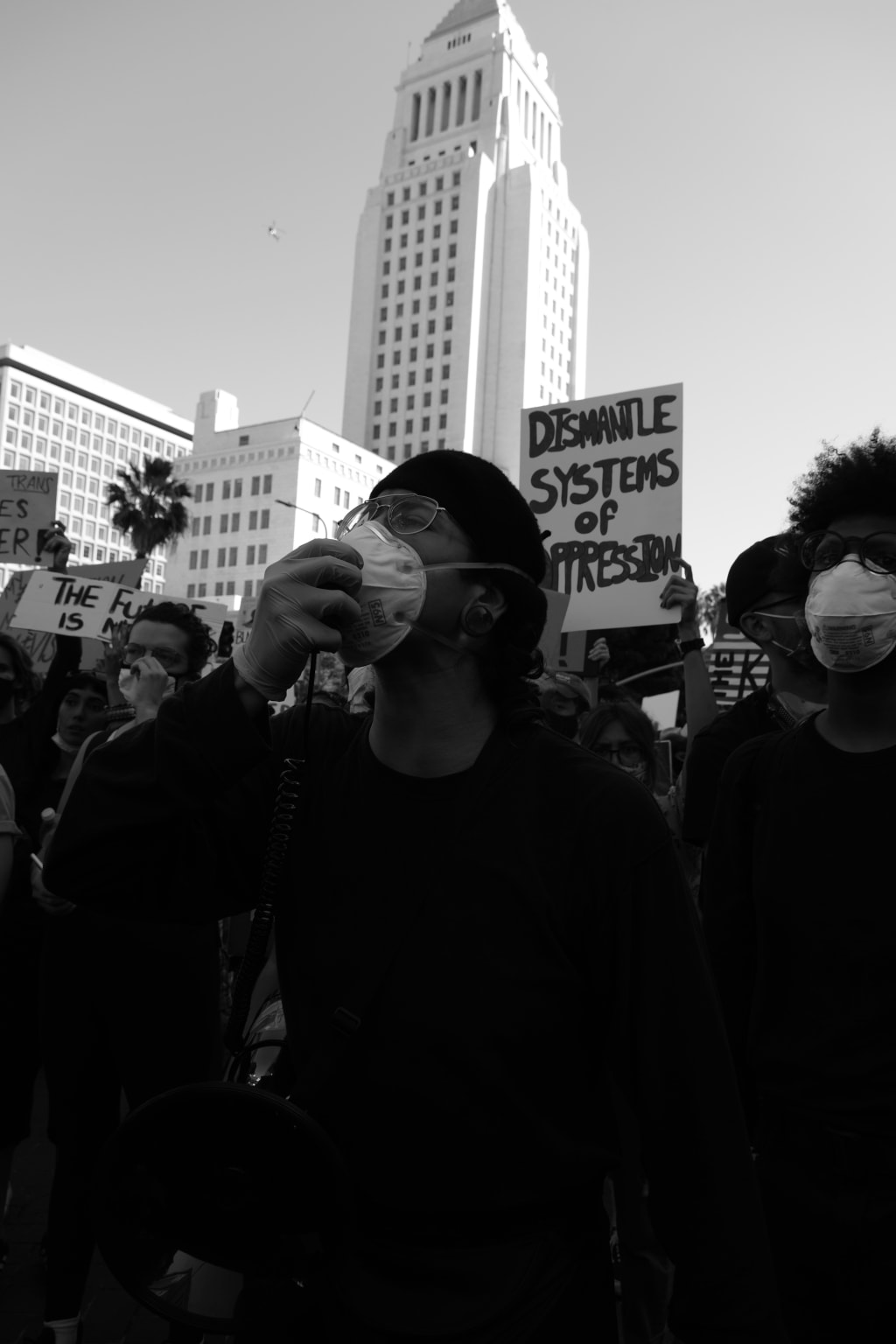
Freedom of speech is a fundamental human right that allows individuals to express their opinions and ideas without fear of censorship or retaliation. It is enshrined in many international human rights instruments, including the Universal Declaration of Human Rights and the International Covenant on Civil and Political Rights.
Freedom of speech includes the right to express oneself through speech, writing, art, music, and other forms of expression. However, this right is not absolute and may be limited in certain circumstances, such as when speech incites violence, promotes hatred, or threatens national security.
In democratic societies, freedom of speech is essential to ensuring open and robust debate and to holding those in power accountable. It also enables individuals to freely express their creativity and individuality, and to engage in peaceful protests and activism.
The extent to which freedom of speech is protected and respected varies greatly around the world. While many countries have strong protections for free speech enshrined in law, in practice, these protections may not always be upheld.
In some countries, individuals who speak out against the government or those in power may face censorship, harassment, or even imprisonment. Journalists and media outlets may be targeted for reporting on sensitive or controversial topics, and social media platforms may be blocked or censored.
Even in countries with strong protections for free speech, there may be certain limitations or restrictions in place. For example, hate speech, incitement to violence, and defamation may be prohibited in many countries.
Overall, while freedom of speech is recognized as a universal human right, its realization in practice is complex and often depends on a variety of political, social, and cultural factors. It is important for individuals and organizations to continue advocating for the protection and promotion of freedom of speech, both at home and around the world.
India:
In 2021, climate activist Disha Ravi was arrested and charged with sedition for allegedly sharing a toolkit on social media in support of the farmers' protest. The arrest and charges sparked widespread criticism and raised concerns about freedom of expression in India.
In 2020, journalists and activists were charged under the Unlawful Activities Prevention Act for their reporting on the Delhi riots, which raised concerns about the use of anti-terrorism laws to suppress free speech.
Pakistan:
In 2021, journalist Asad Ali Toor was beaten and threatened in his home in Islamabad, raising concerns about press freedom and safety of journalists in Pakistan.
In 2017, Mashal Khan, a university student, was lynched by a mob over blasphemy allegations, highlighting the dangerous consequences of blasphemy laws in Pakistan.
USA:
In 2021, former President Donald Trump was impeached for inciting an insurrection at the US Capitol. His impeachment raised questions about the limits of free speech and whether his rhetoric contributed to the violence that occurred.
In 2017, white nationalist Richard Spencer's speech at the University of Florida sparked protests and raised questions about the limits of free speech on college campuses.
These cases illustrate the complex and often contentious nature of free speech, and the various ways in which it can be both protected and restricted.
In 2021, a high court ruled in favor of Harry Miller, a former police officer who had been investigated by the police for his tweets about transgender issues. The court found that the investigation had a chilling effect on Miller's right to freedom of expression.
In 2020, a court ruled that the University of Cambridge acted unlawfully when it canceled a talk by Canadian psychologist and free speech advocate Jordan Peterson. The court found that the university's decision was a violation of the speaker's right to freedom of expression.
In 2019, British rapper Drillminister successfully appealed a conviction for using lyrics that police argued incited violence. The appeal court ruled that the lyrics were not intended to incite violence, and that the conviction was a violation of the artist's right to freedom of expression.
In 2017, the High Court ruled in favor of Felix Ngole, a social work student who had been expelled from his course for expressing his religious views on homosexuality on Facebook. The court found that the university's decision violated Ngole's right to freedom of expression.
These cases demonstrate the ongoing debates and challenges surrounding free speech in the UK, particularly in relation to controversial or sensitive topics such as gender identity, religion, and violence.
About the Creator
Ali sohail
A lawyer, LLM researcher , A lover, humanist, human rights lawyer.
Keep reading
More stories from writers in Education and other communities.
Why the Cheapest Language Tutors Are Not Always the Most Effective
When searching for an online language tutor, the first reflex is often the same: compare prices. It feels logical, almost instinctive. Faced with dozens of similar profiles, the price becomes a reassuring shortcut. Many students tell themselves they will “try,” see how it goes, and change later if needed.
By Bubble Chill Media 6 days ago in Education
The Logistics of Flavor Chile Food Delivery Revolution in 2026
Chile, a country of extremes and culinary delights, has experienced a deep digital transformation in the past few years. As we move through the world of 2026, the classic view of dining out in the bustling streets of Santiago or the colourful alleys of Valparaíso is being supplemented and, in many cases, replaced by a high-tech, high-speed food delivery system. What began as a convenience-driven niche has grown into a multi-billion-dollar backbone of the Chilean economy. With a tech-savvy middle class, an unprecedented explosion in mobile penetration, and an urban population that prizes time above almost everything else, the food delivery market in Chile is no longer simply about delivering a pizza to your doorstep; it is about a complex system of AI-powered logistics, cloud kitchens, and a new "On-Demand" lifestyle that is redefining the very fabric of Chilean society.
By Neeraj kumarabout 20 hours ago in Education
10 Times Rotten Tomatoes and I Disagreed
***Disclaimer*** I will be ranking these movies in the following manner: The greater the divide between Rotten Tomatoes and I, the higher up on the list (and I am referring to the critic's score, not the audience score). I will also show Rotten Tomatoes' score on each one in addition to my score. I am curious to know what everyone thinks, please let me know in the comments below!
By Madison "Maddy" Newton4 days ago in Geeks
Killing him slowly
There’s an intruder in my house again. He stumbles through the door, wet carrier bags in hand. He’s bought me offerings. I show my appreciation, letting him caress my beautiful body. He wants to touch me. I rub myself against his legs. He sighs, dropping the bags. He can’t resist touching me. Running his hand slowly down my spine, I arch my back towards his caress, let out a low purr. It’s what we both need.
By N J Delmasa day ago in Horror


Comments (1)
A good piece of writing.