
Former President Joe Biden's Prostate Cancer Diagnosis: What It Means
Former President Joe Biden’s Prostate Cancer Diagnosis: Understanding the Risks, Treatment Options, and Importance of Early Detection

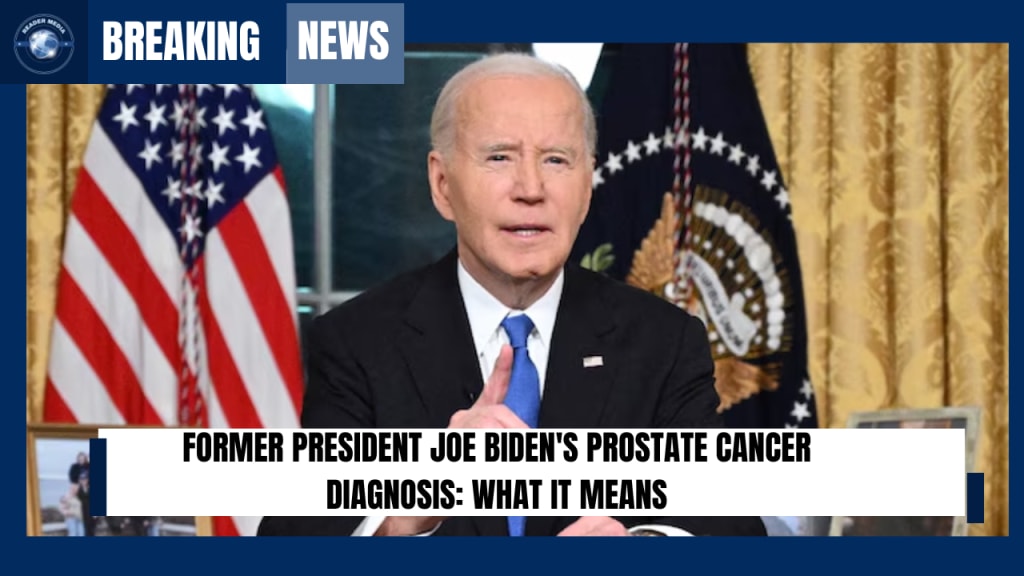
As news about Former President Joe Biden’s prostate cancer diagnosis spreads, prayers and well-wishes have been pouring in from leaders across the political spectrum. The diagnosis has sparked a focus on prostate cancer, an illness that affects thousands of men each year. Here, we take a closer look at what prostate cancer is, what Biden’s diagnosis means, and how it may impact older men in the United States.
What Is Prostate Cancer?
Prostate cancer is one of the most common cancers affecting men, especially those aged 60 and older. According to the American Cancer Society, prostate cancer is the second most common cancer among men in the U.S. It starts in the prostate, a small gland that produces semen, and may spread (or metastasize) to other parts of the body, such as the bones.
In Biden’s case, his office confirmed that he has been diagnosed with an aggressive form of prostate cancer that has already spread to his bones. This is concerning news for any patient, but the good news is that prostate cancer, even in its advanced stages, remains treatable.
Biden's Diagnosis: What Does It Mean?
The Former President's diagnosis has captured the attention of many, particularly as it has been revealed that the cancer has spread to his bones. However, Dr. Ben Ristau, a urologist at UConn Health, says that despite the spread of the cancer, Biden still has a good chance of fighting it.
“It’s still very treatable,” Dr. Ristau explains. “Even though it has spread outside the prostate and into the bones, prostate cancer is a cancer that can still respond well to treatment.”
Treatment Options: What’s Next for Biden?
Biden's office has stated that the family is considering several treatment options, including hormone therapy. This is an important step, as hormone therapy is often an effective treatment for prostate cancer. It works by lowering testosterone levels in the body, which can slow or stop the cancer's growth.
“When we lower testosterone, it actually causes the prostate cancer to shrink,” says Dr. Ristau. “This effect can last for many years, and in some cases, patients can live for a long time without the cancer progressing.”
Risk Factors for Prostate Cancer
Prostate cancer is most commonly diagnosed in older men, typically those in their 60s. Age is the most significant risk factor for developing the disease, with the likelihood of getting prostate cancer increasing as men age.
The American Cancer Society estimates that over 310,000 new cases of prostate cancer will be diagnosed this year alone. In addition to age, there are other factors that can increase the risk of developing prostate cancer, including family history and ethnicity. For example, men of African or Caribbean African descent are at a higher risk and should consider early screening.
Early Detection and Screening
Dr. Ristau emphasizes the importance of early detection for prostate cancer, particularly for older men. While the disease is most commonly found in men over 60, it’s important to note that early detection can lead to better treatment outcomes.
“The American Cancer Society recommends that men begin prostate cancer screenings at age 55 if they are of average risk,” Dr. Ristau advises. “However, men who have a family history of prostate cancer or who are at higher risk should start screening earlier, around the age of 40 to 45.”
This early screening can help identify prostate cancer before symptoms develop, leading to more effective treatment options.
What This Means for Other Men
Biden’s diagnosis may serve as a wake-up call for other men, particularly those who are in the age range most at risk for prostate cancer. It’s a reminder that regular screenings can make a big difference in the outcome of the disease. For many men, prostate cancer can be slow-growing, and with proper monitoring, it may be managed effectively for many years.
The Importance of Awareness and Early Action
While Biden’s diagnosis is certainly concerning, it’s also a reminder of the importance of awareness and early intervention when it comes to prostate cancer. By catching the disease early, men can greatly increase their chances of successful treatment and long-term survival.
If you are a man aged 55 or older, it’s important to talk to your doctor about prostate cancer screening. If you are of African or Caribbean African descent, it’s even more crucial to begin screening earlier. The earlier prostate cancer is detected, the easier it is to treat, and the better the long-term outlook for men who are diagnosed.
Former President Joe Biden's ongoing treatment and his continued focus on public service show that even in the face of serious health challenges, there is hope. With advancements in treatment and early detection, prostate cancer can be managed effectively, allowing many men to continue living long, healthy lives.
Disclaimer
This content has been created by an AI language model and is intended to provide general information. While we strive to deliver accurate and reliable content, it may not always reflect the latest developments or expert opinions. The content should not be considered as professional or personalized advice. We encourage you to seek professional guidance and verify the information independently before making decisions based on this content.
This information is sourced from NBC Connecticut
About the Creator
Reader Media News
Welcome to Reader Media – your go-to source for the latest news, expert insights, and in-depth articles across business, tech, health, entertainment, sports, and more. Stay informed and engaged with the world through quality content.
Keep reading
More stories from Reader Media News and writers in Education and other communities.
Ben Cohen Arrested During Protest Against Robert F. Kennedy Jr. Senate Hearing
On May 14, 2025, Ben Cohen, co-founder of Ben & Jerry’s, found himself in handcuffs after being arrested during a Senate hearing where Robert F. Kennedy Jr., Secretary of Health and Human Services, was testifying. This arrest is part of a larger pattern of Cohen’s activism, which has seen him take bold stances on social issues, even at the risk of public scrutiny and legal consequences.
By Reader Media News8 months ago in Education
Image-to-text technology, also known as Optical Character
Image-to-text technology, also known as Optical Character Recognition (OCR), has transformed the way we interact with visual information. It allows machines to extract text from images, enabling various applications across multiple industries. From digitizing printed documents to reading text from scanned images, OCR plays a vital role in making printed content accessible, editable, and searchable. The need for such technology has grown exponentially with the increasing reliance on digital data and the rapid shift from physical to digital content in nearly all sectors of life. As the digital world continues to expand, image-to-text technology has paved the way for more seamless workflows, enabling businesses and individuals alike to save time, effort, and resources.
By Alexander Jackson7 days ago in Education
My New Book is Finally Here
My poetry collection Beautiful and Brutal Things is done. It's actually done and finally published over 270 pages. Over a year of my life went into this book. More than a year, really. Long days at my computer, sometimes seven days a week because I couldn't stop even when I probably should have. Then two months of editing that felt harder than the writing itself. But it's finished, and I'm still standing, and the book is real.
By Tim Carmichaela day ago in BookClub




Comments
There are no comments for this story
Be the first to respond and start the conversation.